
Understanding High Turbidity Data Acquisition Terminals in Water Quality Analysis
2026-06-25
In the pharmaceutical and healthcare industries, maintaining high standards of water quality is paramount. One critical aspect of ensuring water purity is monitoring turbidity levels, which can indicate the presence of suspended particles in water. High turbidity can compromise the efficacy of pharmaceutical processes and pose health risks. This is where High Turbidity Data Acquisition Terminals (
In the pharmaceutical and healthcare industries, maintaining high standards of water quality is paramount. One critical aspect of ensuring water purity is monitoring turbidity levels, which can indicate the presence of suspended particles in water. High turbidity can compromise the efficacy of pharmaceutical processes and pose health risks. This is where High Turbidity Data Acquisition Terminals (HDTATs) come into play, providing essential data for effective water quality management.
HDTATs are specialized instruments designed to measure and record turbidity levels in water samples. These terminals utilize advanced sensors to capture real-time data and facilitate immediate analysis. The ability to monitor turbidity levels continuously is vital, as fluctuations can occur due to various factors, including environmental changes, chemical reactions, and the presence of microbial life.
One of the primary benefits of using High Turbidity Data Acquisition Terminals is their capability to provide accurate and reliable readings. This ensures that water quality professionals can quickly identify any deviations from acceptable turbidity levels and take the necessary actions to address potential issues. Moreover, many HDTATs are equipped with data logging features, allowing users to store historical data for trend analysis and regulatory compliance.
In addition to real-time monitoring, HDTATs can often be integrated with other analytical instruments to provide a comprehensive view of water quality. For instance, when combined with parameters like pH, conductivity, and dissolved oxygen levels, these terminals can offer a more in-depth understanding of water quality issues. This multi-faceted approach is particularly beneficial in pharmaceutical applications, where stringent water quality standards must be met.
For professionals working with High Turbidity Data Acquisition Terminals, it is crucial to adhere to best practices to ensure optimal performance. Regular calibration and maintenance of the equipment are essential to obtain accurate readings. Additionally, training staff on the proper use of these terminals can enhance data reliability and improve overall water quality management.
In summary, High Turbidity Data Acquisition Terminals are invaluable tools in the pharmaceutical and healthcare industries. Facilitating accurate turbidity monitoring not only supports regulatory compliance but also helps ensure the safety and effectiveness of water used in critical processes. By embracing these advanced technologies, professionals can significantly enhance their water quality analysis efforts, ultimately contributing to better health outcomes and product integrity.
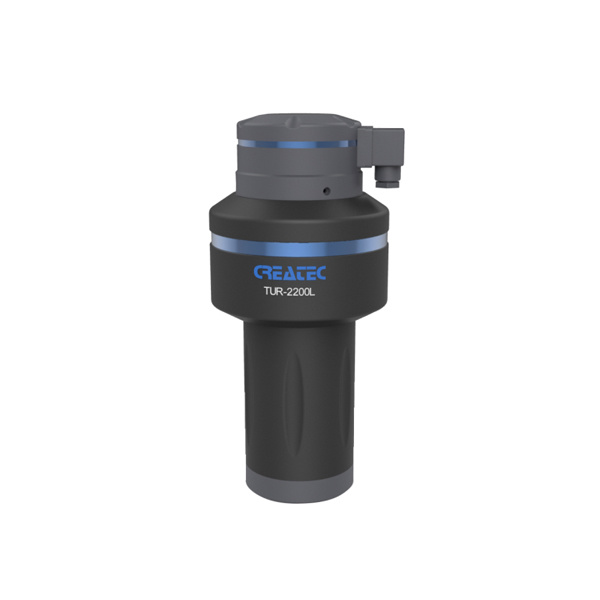
High Turbidity Data Acquisition Terminal
RELATED NEWS
The Future of Water Treatment: Harnessing the Power of Online Turbidity Sensors
2026-10-08
The Future of Water Treatment: Harnessing the Power of Online Turbidity Sensors
Table of Contents
Introduction: The Importance of Water Quality Monitoring
Understanding Turbidity: What It Is and Why It Matters
The Role of Online Turbidity Sensors in Modern Water Treatment
Technology Behind Online Turbidity Sensors: How They Work
Benefits of Using Online Turbidity Sensors in Water Treatment
Applic

Understanding High Turbidity Data Acquisition Terminals in Water Quality Analysis
2026-10-01
---
In the realm of water quality analysis, particularly in the pharmaceutical and healthcare industries, High Turbidity Data Acquisition Terminals are essential tools. These specialized devices are designed to measure and record turbidity levels in water samples, which is a crucial parameter in determining the clarity and quality of water. Turbidity, caused by suspended particles, microorganisms,

Innovative Solutions for Water Quality Control: Digital Multi-parameter Integration Sensors
2026-09-24
Innovative Solutions for Water Quality Control: Digital Multi-parameter Integration Sensors
Table of Contents
Introduction to Water Quality Control
The Importance of Water Quality Monitoring
Traditional Methods of Water Quality Analysis
The Rise of Digital Multi-parameter Sensors
Key Features of Digital Multi-parameter Integration Sensors
Applications of Digital Multi-para

CREATEC will be there where there is water
Focus on the independent research and development of online water quality analysis instruments and water environmental protection analysis instruments
ABOUT US
Hebei Create Instrumentation Technologies Co., Ltd. is a national high-tech technology enterprise which is specialized in the water quality online analysis instruments.The founder Hao shuanju was first awarded the national “Automatic Pure Water Monitor” patent in 1988.And entered into the field of water quality online analysis and research.
CONTACT US
Factory :NO.2 Building ,No.368 North Xinshi Road, Shijiazhuang 050091,Hebei Province,China.
Office Address: Block 23, Keying·Zhichuang Valley, Huai'an West Road, Luquan District, Shijiazhuang City
Tel: 86-311-83831058 / 67368592
E-Mail:meter@createc.cn
QUALITY OF SERVICE

Follow us
Learn more about online water quality analysis instruments