
Ensuring Regulatory Compliance Through Digital Turbidity Analysis: A Comprehensive Guide
2026-07-02
Ensuring Regulatory Compliance Through Digital Turbidity Analysis
Table of Contents
Introduction to Digital Turbidity Analysis
What is Turbidity and Why Does It Matter?
The Importance of Regulatory Compliance in the Pharmaceutical Industry
Understanding Digital Turbidity Analysis
The Technology Behind Digital Turbidity Analyzers
Best Practices for Ensuring Accurate Turbidi
Ensuring Regulatory Compliance Through Digital Turbidity Analysis
Table of Contents
- Introduction to Digital Turbidity Analysis
- What is Turbidity and Why Does It Matter?
- The Importance of Regulatory Compliance in the Pharmaceutical Industry
- Understanding Digital Turbidity Analysis
- The Technology Behind Digital Turbidity Analyzers
- Best Practices for Ensuring Accurate Turbidity Measurements
- Case Studies: Successful Compliance Through Digital Turbidity Analysis
- Future Trends in Digital Turbidity Analysis
- Conclusion
- Frequently Asked Questions
Introduction to Digital Turbidity Analysis
In the pharmaceutical and healthcare sectors, maintaining high water quality standards is not just a regulatory requirement; it is crucial for the safety and efficacy of products and processes. Digital turbidity analysis has emerged as a vital tool for ensuring compliance with these stringent standards. This article delves into the complexities of digital turbidity analysis, its role in regulatory compliance, and the technologies that enable accurate measurements.
What is Turbidity and Why Does It Matter?
Turbidity refers to the cloudiness or haziness of a fluid caused by large numbers of individual particles that are generally invisible to the naked eye. In the context of water quality, turbidity can indicate the presence of pollutants, pathogens, or other substances that may compromise safety. High turbidity levels can affect pharmaceutical processes, impacting not just product quality but also patient safety.
Understanding turbidity is essential for regulatory compliance, as organizations must monitor and control these levels to avoid potential health risks. Regulatory bodies like the U.S. Food and Drug Administration (FDA) and the European Medicines Agency (EMA) set strict guidelines regarding acceptable turbidity levels in water used for manufacturing pharmaceuticals.
The Importance of Regulatory Compliance in the Pharmaceutical Industry
Regulatory compliance is fundamental in ensuring that pharmaceutical products meet safety, efficacy, and quality standards. Non-compliance can lead to significant financial penalties, product recalls, and even legal action. In addition, it can severely damage a company’s reputation.
Adhering to regulations not only safeguards public health but also contributes to the overall credibility of the pharmaceutical industry. Digital turbidity analysis plays a pivotal role in this landscape by providing reliable and accurate data that organizations can utilize to demonstrate compliance.
Understanding Digital Turbidity Analysis
Digital turbidity analysis employs advanced optical methods to measure the clarity of liquids. Unlike traditional methods, digital analyzers provide real-time data, enhancing the decision-making process for water quality management.
Key features of digital turbidity analysis include:
- **Real-time Monitoring:** Instantaneous updates on turbidity levels help organizations respond quickly to any deviations from acceptable standards.
- **Data Logging and Reporting:** Digital analyzers can store historical data, making it easier to compile reports for regulatory agencies.
- **Ease of Use:** With user-friendly interfaces, these analyzers can be operated by staff with varying levels of technical expertise.
Incorporating digital turbidity analysis into water quality management systems not only simplifies compliance but also improves overall operational efficiency.
The Technology Behind Digital Turbidity Analyzers
Digital turbidity analyzers utilize various technologies to measure turbidity levels accurately. The most common methods include:
1. Nephelometric Method
The nephelometric method measures the amount of light scattered by particles suspended in the water. A light source, typically a laser or LED, illuminates the water sample, and a detector measures the intensity of the scattered light. This method provides reliable turbidity readings, making it widely used in compliance monitoring.
2. Infrared (IR) Sensors
Infrared sensors measure turbidity by detecting the absorption and reflection of infrared light by particles. This technology is particularly effective for measuring turbidity in various types of liquids, including those with different colors or compositions.
3. Laser Diffraction
Laser diffraction techniques analyze the pattern of light scattered by particles. By measuring the angles of scattered light, these systems can determine particle size and concentration, providing valuable insights into turbidity levels.
Best Practices for Ensuring Accurate Turbidity Measurements
To achieve reliable turbidity measurements and ensure regulatory compliance, organizations should consider the following best practices:
1. Regular Calibration of Analyzers
It is imperative to calibrate digital turbidity analyzers regularly to maintain accuracy. Calibration should be performed using standardized solutions to ensure that the equipment is providing correct readings.
2. Routine Maintenance
Scheduled maintenance helps prevent equipment failures that could lead to inaccurate readings. Organizations should establish a routine maintenance plan, including cleaning the optical components and checking for any signs of wear.
3. Staff Training
Training staff on the proper use and maintenance of digital turbidity analyzers is crucial. Understanding how to operate the equipment and interpret results will lead to better compliance management.
4. Implementing Quality Control Procedures
Instituting robust quality control procedures is essential for ensuring the reliability of turbidity measurements. This includes conducting regular internal audits and comparing results with those from external laboratories.
5. Data Management Strategies
Developing a structured data management strategy can enhance the overall integrity of turbidity monitoring. Utilizing software solutions that integrate with digital analyzers can facilitate data logging, analysis, and reporting, ensuring that compliance is easily demonstrable.
Case Studies: Successful Compliance Through Digital Turbidity Analysis
Several organizations have successfully utilized digital turbidity analysis to enhance compliance and improve water quality management.
Case Study 1: Pharmaceutical Manufacturer
A leading pharmaceutical manufacturer implemented digital turbidity analysis to monitor water used in production. By adopting real-time monitoring, they were able to identify contamination events quickly, leading to immediate corrective actions. This proactive approach resulted in a 30% reduction in non-compliance incidents.
Case Study 2: Water Treatment Facility
A municipal water treatment facility adopted advanced digital turbidity analyzers to improve their compliance with local regulations. The facility experienced enhanced data accuracy and reporting capabilities, significantly reducing the time required for regulatory submissions while maintaining full compliance.
Future Trends in Digital Turbidity Analysis
As technology continues to evolve, digital turbidity analysis is set to become even more sophisticated. Future trends may include:
- **Integration with IoT:** The Internet of Things (IoT) will allow for enhanced connectivity between analyzers and centralized data management systems, enabling more comprehensive monitoring solutions.
- **Artificial Intelligence (AI):** Implementing AI algorithms can help predict turbidity trends based on historical data, allowing organizations to take preemptive measures against potential compliance issues.
- **Advanced Sensor Technologies:** The development of new sensor technologies may lead to more accurate measurements at lower turbidity levels, further enhancing compliance capabilities.
Conclusion
Digital turbidity analysis serves as a cornerstone for ensuring regulatory compliance in the pharmaceutical and healthcare industries. By providing real-time, accurate measurements, organizations can easily monitor water quality and adhere to stringent regulations. Implementing best practices, leveraging advanced technology, and staying abreast of industry trends will be crucial for organizations seeking to enhance their compliance efforts. As we move forward, the integration of innovative technologies will undoubtedly shape the future of turbidity analysis, paving the way for safer and more effective pharmaceutical practices.
Frequently Asked Questions
1. What is the significance of turbidity in water quality?
Turbidity is a key indicator of water quality, reflecting the presence of suspended particles that may include pollutants, pathogens, or organic matter. High turbidity levels can impair the safety and efficacy of pharmaceutical products.
2. How often should I calibrate my digital turbidity analyzer?
Calibration frequency can vary based on usage and manufacturer recommendations, but it is generally advisable to calibrate at least once a month or whenever there’s a significant change in water quality.
3. What are the consequences of non-compliance with turbidity regulations?
Non-compliance can result in financial penalties, product recalls, loss of reputation, and legal actions. It is essential to monitor turbidity levels diligently to avoid these repercussions.
4. Can digital turbidity analyzers measure low turbidity levels?
Yes, many advanced digital turbidity analyzers are designed to measure low turbidity levels accurately, ensuring compliance with stringent regulatory standards.
5. What should I do if my turbidity levels exceed acceptable limits?
If turbidity levels exceed acceptable limits, immediate corrective actions should be taken. This may include investigating the source of contamination, conducting thorough assessments, and implementing corrective measures to restore compliance.
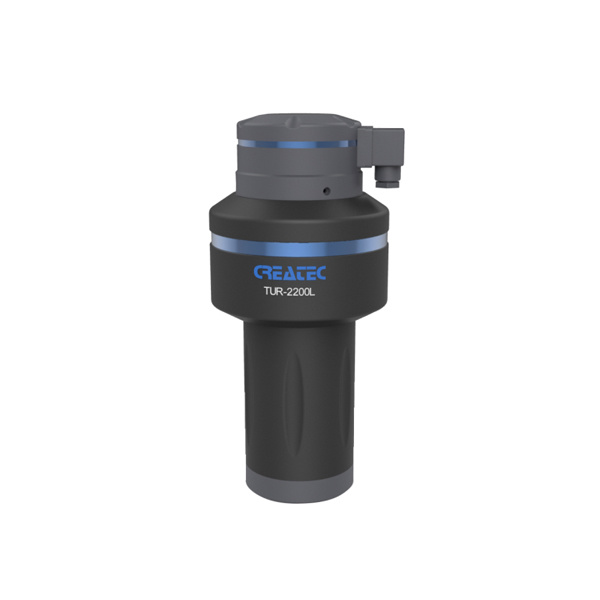
Digital Laser Turbidity online analysis sensor
RELATED NEWS
The Future of Water Treatment: Harnessing the Power of Online Turbidity Sensors
2026-10-08
The Future of Water Treatment: Harnessing the Power of Online Turbidity Sensors
Table of Contents
Introduction: The Importance of Water Quality Monitoring
Understanding Turbidity: What It Is and Why It Matters
The Role of Online Turbidity Sensors in Modern Water Treatment
Technology Behind Online Turbidity Sensors: How They Work
Benefits of Using Online Turbidity Sensors in Water Treatment
Applic

Understanding High Turbidity Data Acquisition Terminals in Water Quality Analysis
2026-10-01
---
In the realm of water quality analysis, particularly in the pharmaceutical and healthcare industries, High Turbidity Data Acquisition Terminals are essential tools. These specialized devices are designed to measure and record turbidity levels in water samples, which is a crucial parameter in determining the clarity and quality of water. Turbidity, caused by suspended particles, microorganisms,

Innovative Solutions for Water Quality Control: Digital Multi-parameter Integration Sensors
2026-09-24
Innovative Solutions for Water Quality Control: Digital Multi-parameter Integration Sensors
Table of Contents
Introduction to Water Quality Control
The Importance of Water Quality Monitoring
Traditional Methods of Water Quality Analysis
The Rise of Digital Multi-parameter Sensors
Key Features of Digital Multi-parameter Integration Sensors
Applications of Digital Multi-para

CREATEC will be there where there is water
Focus on the independent research and development of online water quality analysis instruments and water environmental protection analysis instruments
ABOUT US
Hebei Create Instrumentation Technologies Co., Ltd. is a national high-tech technology enterprise which is specialized in the water quality online analysis instruments.The founder Hao shuanju was first awarded the national “Automatic Pure Water Monitor” patent in 1988.And entered into the field of water quality online analysis and research.
CONTACT US
Factory :NO.2 Building ,No.368 North Xinshi Road, Shijiazhuang 050091,Hebei Province,China.
Office Address: Block 23, Keying·Zhichuang Valley, Huai'an West Road, Luquan District, Shijiazhuang City
Tel: 86-311-83831058 / 67368592
E-Mail:meter@createc.cn
QUALITY OF SERVICE

Follow us
Learn more about online water quality analysis instruments