
Maximizing Efficiency in Water Quality Analysis with Digital Multi-parameter Integration Sensors
2026-06-18
Maximizing Efficiency in Water Quality Analysis with Digital Multi-parameter Integration Sensors
Table of Contents
Introduction to Digital Multi-parameter Integration Sensors
Importance of Water Quality Analysis in Today's World
What Are Digital Multi-parameter Integration Sensors?
Benefits of Using Digital Sensors in Water Quality Analysis
Applications of Digital Multi-parame
Maximizing Efficiency in Water Quality Analysis with Digital Multi-parameter Integration Sensors
Table of Contents
- Introduction to Digital Multi-parameter Integration Sensors
- Importance of Water Quality Analysis in Today's World
- What Are Digital Multi-parameter Integration Sensors?
- Benefits of Using Digital Sensors in Water Quality Analysis
- Applications of Digital Multi-parameter Integration Sensors
- How to Choose the Right Digital Multi-parameter Integration Sensor
- Future Trends in Water Quality Analysis Technology
- Real-world Case Studies: Success with Digital Sensors
- Conclusion
- Frequently Asked Questions
Introduction to Digital Multi-parameter Integration Sensors
In the realm of water quality analysis, ensuring accurate and timely measurements is paramount. **Digital multi-parameter integration sensors** are revolutionizing how we conduct these analyses. By integrating multiple measurement capabilities into a single device, these sensors streamline processes and enhance the reliability of results, ultimately contributing to better water management and safety.
Importance of Water Quality Analysis in Today's World
Water is an essential resource for all living organisms. The deterioration of water quality poses severe risks to public health, ecosystems, and economic stability. Timely and accurate water quality analysis is crucial in identifying contaminants, ensuring the safety of drinking water, and maintaining ecological balance. As industries evolve and urban populations grow, the demand for efficient water quality monitoring has never been higher.
What Are Digital Multi-parameter Integration Sensors?
Digital multi-parameter integration sensors are cutting-edge devices that measure various water quality parameters – such as pH, turbidity, dissolved oxygen, and conductivity – simultaneously. Unlike traditional methods that require separate instruments for each measurement, these sensors utilize advanced technology to provide comprehensive data in real time. This capability allows for more efficient data collection and analysis, which is critical in resource management and environmental protection.
How Digital Sensors Work
These sensors function by employing advanced technologies such as optical, electrochemical, and conductivity-based measurements. They convert physical water qualities into electrical signals that can be processed by computer systems. The integration of multiple parameters into a single platform reduces the complexity of data interpretation and enhances the overall efficiency of water quality analysis.
Benefits of Using Digital Sensors in Water Quality Analysis
The integration of digital multi-parameter sensors into water quality analysis offers several notable advantages:
1. Enhanced Accuracy
Digital sensors minimize human error by providing precise measurements and eliminating the variability associated with manual testing. This accuracy is vital for regulatory compliance and environmental monitoring.
2. Cost Efficiency
By combining multiple measurements into one device, organizations can reduce equipment costs and maintenance expenses. Fewer instruments mean lower operational costs and simplified training processes for staff.
3. Real-Time Data Access
These sensors enable real-time monitoring, allowing for immediate detection of water quality issues. This capability is essential for prompt responses to contamination events and ensures adherence to safety standards.
4. Simplified Data Management
Digital sensors often come with software for data collection and analysis. This integration streamlines workflows and simplifies reporting, making it easier for organizations to manage their water quality data effectively.
5. Remote Monitoring Capabilities
Many digital sensors are equipped with IoT functionality, allowing for remote monitoring. This feature enables organizations to track water quality from any location, providing flexibility and timely insights.
Applications of Digital Multi-parameter Integration Sensors
Digital multi-parameter integration sensors find applications across various sectors, including:
1. Municipal Water Supply
Cities utilize these sensors to monitor drinking water quality continuously, ensuring compliance with safety regulations and protecting public health.
2. Industrial Processes
Manufacturing facilities leverage digital sensors to monitor water quality in processes that require specific water conditions, such as in cooling systems or wastewater treatment.
3. Environmental Monitoring
Environmental agencies employ these sensors to assess the health of water bodies, tracking changes in water quality due to pollution or climate change.
4. Aquaculture
Aquaculture operations use digital sensors to maintain optimal conditions for fish and other aquatic species, ensuring their health and productivity.
5. Research and Development
Researchers in various fields utilize these sensors to conduct experiments that require precise water quality measurements, contributing to scientific advancements.
How to Choose the Right Digital Multi-parameter Integration Sensor
Selecting the appropriate digital multi-parameter integration sensor can be daunting. Here are key factors to consider when making your choice:
1. Measurement Range and Accuracy
Ensure the sensor's measurement range aligns with your specific needs, and prioritize accuracy for reliable results.
2. Number of Parameters
Assess the range of parameters the sensor can measure. Select a device that can monitor all the necessary parameters in one unit.
3. Compatibility and Integration
Choose a sensor that is compatible with your existing systems or software for seamless data management and analysis.
4. Maintenance and Support
Consider the ease of maintenance and the availability of technical support from the manufacturer to address any issues that may arise.
5. Budget
Evaluate your budgetary constraints while ensuring you invest in a quality sensor that meets your operational needs without compromising functionality.
Future Trends in Water Quality Analysis Technology
As technology advances, we anticipate several trends shaping the future of water quality analysis:
1. Increased Automation
Automation will play a significant role in enhancing the efficiency of water quality analyses. Automated sampling and measurement processes will reduce the need for manual intervention.
2. Enhanced IoT Integration
The Internet of Things (IoT) will enable better connectivity and data sharing, allowing for more sophisticated monitoring systems that can predict water quality issues before they arise.
3. Data Analytics and Machine Learning
The use of advanced data analytics and machine learning algorithms will facilitate deeper insights into water quality trends, enabling more proactive management strategies.
4. Sustainable Practices
The future will see a greater emphasis on sustainability, with innovations aimed at reducing waste and promoting efficient resource usage in water quality analysis.
Real-world Case Studies: Success with Digital Sensors
Several organizations have successfully implemented digital multi-parameter integration sensors to improve their water quality analysis processes:
1. Municipal Water Treatment Plant
A city water treatment plant adopted digital multi-parameter sensors to monitor water quality continuously. The change resulted in a 30% reduction in operational costs and significantly improved response times to contamination incidents.
2. Industrial Manufacturing Facility
An industrial facility employed digital sensors to maintain water quality in their cooling systems. This implementation led to energy savings and reduced downtime due to equipment failures linked to poor water quality.
3. Environmental Monitoring Agency
An environmental monitoring agency integrated digital sensors into their water quality assessment programs. The real-time data access enabled them to respond more effectively to pollution events, leading to improved environmental protection outcomes.
Conclusion
Digital multi-parameter integration sensors have emerged as essential tools in the pursuit of efficient and accurate water quality analysis. Their ability to consolidate multiple measurements into one device enhances operational efficiency, reduces costs, and improves data accuracy. As technology continues to evolve, these sensors will play a critical role in advancing our understanding of water quality, safeguarding public health, and promoting environmental sustainability.
Frequently Asked Questions
1. What parameters can digital multi-parameter integration sensors measure?
Digital multi-parameter integration sensors can typically measure pH, turbidity, dissolved oxygen, conductivity, and many other water quality parameters.
2. How do these sensors enhance accuracy in water quality analysis?
These sensors reduce human error by providing precise measurements and minimizing variability associated with manual testing.
3. Can digital sensors be integrated with existing water quality monitoring systems?
Yes, many digital sensors are designed to be compatible with existing systems, facilitating seamless data collection and management.
4. What industries benefit from digital multi-parameter integration sensors?
Municipal water supply, industrial processes, environmental monitoring, aquaculture, and research and development are among the sectors that benefit from these sensors.
5. How can I determine which digital sensor is right for my needs?
Consider factors such as measurement range, accuracy, number of parameters, compatibility, maintenance requirements, and budget when selecting a digital sensor.
Digital Multi-parameter integration sensor
RELATED NEWS
2026-09-17
---
In the pharmaceutical and healthcare industries, maintaining high water quality is essential for reliable analyses and product safety. One of the most effective methods for achieving this is through the use of a Reverse Osmosis Control Integrated System. This advanced technology is designed to deliver purified water by removing contaminants, ensuring compliance with stringent industry standard

2026-09-10
Maximizing Efficiency with Multi-parameter Analysis System Integration
Introduction to Multi-parameter Analysis Systems
In the fast-evolving landscape of medical and health diagnostics, the integration of multi-parameter analysis systems is becoming increasingly vital. These sophisticated instruments allow for simultaneous measurement of multiple parameters, significantly enhancing the efficiency
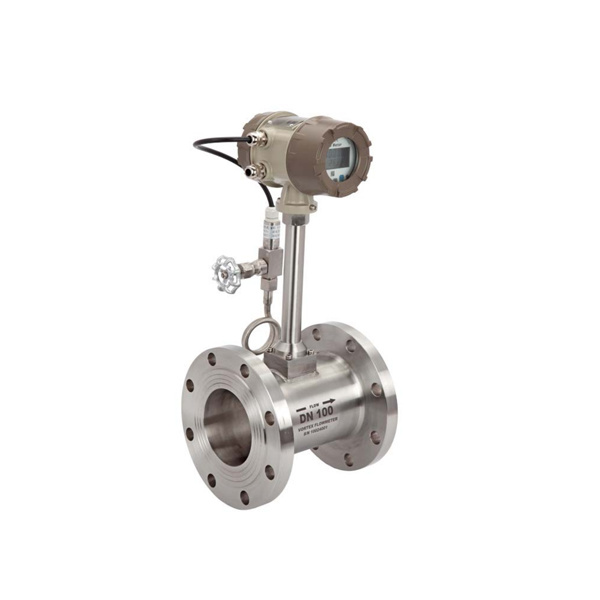
Understanding Vorex Flow Meters: A Comprehensive Guide to Flow Measurement
2026-09-03
Flow measurement is an essential aspect of various industries, from water treatment to chemical manufacturing and beyond. One device that stands out in this field is the Vorex flow meter. These instruments are designed to accurately gauge the flow rate of liquids and gases, ensuring that processes operate smoothly and efficiently.
A Vorex flow meter typically operates on the principle of measuring

CREATEC will be there where there is water
Focus on the independent research and development of online water quality analysis instruments and water environmental protection analysis instruments
ABOUT US
Hebei Create Instrumentation Technologies Co., Ltd. is a national high-tech technology enterprise which is specialized in the water quality online analysis instruments.The founder Hao shuanju was first awarded the national “Automatic Pure Water Monitor” patent in 1988.And entered into the field of water quality online analysis and research.
CONTACT US
Factory :NO.2 Building ,No.368 North Xinshi Road, Shijiazhuang 050091,Hebei Province,China.
Office Address: Block 23, Keying·Zhichuang Valley, Huai'an West Road, Luquan District, Shijiazhuang City
Tel: 86-311-83831058 / 67368592
E-Mail:meter@createc.cn
QUALITY OF SERVICE

Follow us
Learn more about online water quality analysis instruments