
Maximizing Efficiency with Multi-parameter Analysis System Integration in Medical and Health Diagnostics
2026-09-10
Maximizing Efficiency with Multi-parameter Analysis System Integration
Introduction to Multi-parameter Analysis Systems
In the fast-evolving landscape of medical and health diagnostics, the integration of multi-parameter analysis systems is becoming increasingly vital. These sophisticated instruments allow for simultaneous measurement of multiple parameters, significantly enhancing the efficiency
Maximizing Efficiency with Multi-parameter Analysis System Integration
Introduction to Multi-parameter Analysis Systems
In the fast-evolving landscape of medical and health diagnostics, the integration of multi-parameter analysis systems is becoming increasingly vital. These sophisticated instruments allow for simultaneous measurement of multiple parameters, significantly enhancing the efficiency and accuracy of diagnostics. Understanding the framework and functionalities of these systems can lead to improved outcomes in patient care, research, and regulatory compliance.
Understanding the Importance of Multi-parameter Analysis
The healthcare sector continuously strives for efficiency and precision. Multi-parameter analysis systems provide a robust solution to the challenges associated with traditional single-parameter testing methods. By enabling the simultaneous assessment of various parameters, these systems significantly reduce the time required for testing and minimize the need for multiple instruments.
Benefits of Multi-parameter Analysis Systems
1. **Enhanced Efficiency**: By consolidating multiple testing parameters into a single system, laboratories can significantly streamline workflows. This integration minimizes equipment footprint, reduces maintenance costs, and decreases the time spent on sample processing.
2. **Improved Accuracy and Reliability**: Multi-parameter systems often utilize advanced calibration and validation techniques, leading to more reliable results. This is particularly crucial in medical diagnostics, where accuracy can directly impact patient outcomes.
3. **Comprehensive Data Management**: Advanced multi-parameter systems come equipped with robust data management tools that facilitate the integration, storage, and analysis of data. This capability enhances the ability to track trends, conduct longitudinal studies, and ensure compliance with regulatory standards.
4. **Cost-effectiveness**: Investing in a multi-parameter analysis system can lead to significant cost savings over time. By reducing the need for multiple instruments and minimizing personnel training, healthcare facilities can optimize resource allocation.
Key Components of Multi-parameter Analysis Systems
1. Sensors and Probes
The heart of any multi-parameter analysis system is its sensors and probes. These components are designed to detect specific analytes in samples, such as water or biological fluids. High-quality sensors provide reliable and accurate measurements across various conditions, making them essential for effective diagnostics.
2. Data Acquisition Systems
Data acquisition systems play a crucial role in collecting and processing the information obtained from sensors. These systems typically feature high-resolution data capture capabilities, allowing for precise readings and the ability to monitor changes over time.
3. User Interface and Software
A user-friendly interface is vital for efficient operation. Advanced software solutions facilitate easy navigation, data analysis, and result interpretation. Many modern systems also allow for remote access and integration with laboratory information management systems (LIMS).
4. Calibration and Maintenance Features
Regular calibration and maintenance are necessary to ensure the long-term reliability of multi-parameter analysis systems. Advanced systems incorporate automatic calibration features, reducing the burden on laboratory personnel.
Applications of Multi-parameter Analysis Systems in Medical and Health Diagnostics
Multi-parameter analysis systems find applications in various fields, enhancing capabilities and supporting critical decision-making. The following are some notable applications:
Water Quality Analysis
In the realm of public health, ensuring water quality is paramount. Multi-parameter analysis systems can simultaneously measure various contaminants, such as pH, turbidity, microbial content, and heavy metals, providing comprehensive insights into water safety.
Clinical Diagnostics
In clinical settings, multi-parameter analyzers are essential for conducting various tests, from blood chemistry to electrolyte analysis. By providing simultaneous results, these systems streamline the diagnostic process, allowing healthcare providers to make informed decisions swiftly.
Environmental Monitoring
Environmental scientists utilize multi-parameter analysis systems to monitor ecological health. By measuring parameters such as dissolved oxygen, nutrient levels, and biological indicators, researchers can assess the impact of human activity on ecosystems.
Food Safety Testing
Food safety is critical to public health. Multi-parameter analysis systems can identify pathogens, toxins, and contaminants in food products, ensuring compliance with health regulations and safety standards.
Integrating Multi-parameter Systems into Existing Infrastructure
Integrating multi-parameter analysis systems into existing laboratory infrastructure can pose challenges, yet the benefits far outweigh the initial obstacles. Here’s how to effectively implement these systems:
1. Assessing Laboratory Needs
Before investing in a multi-parameter analysis system, it is essential to conduct a thorough assessment of the laboratory's specific needs. Consider factors such as the types of samples analyzed, required parameters, and existing workflow processes.
2. Training Personnel
Effective training is crucial for the successful implementation of any new system. Invest in comprehensive training programs for laboratory personnel to ensure they are proficient in operating the new equipment and interpreting results.
3. Ensuring Compatibility
When selecting a multi-parameter analysis system, ensure that it is compatible with existing laboratory equipment and software. This compatibility facilitates smooth integration and minimizes disruptions to ongoing operations.
4. Continuous Evaluation and Improvement
After implementing a multi-parameter analysis system, ongoing evaluation is essential. Regularly review performance metrics and user feedback to identify areas for improvement and ensure that the system continues to meet organizational goals.
Future Trends in Multi-parameter Analysis System Integration
The field of multi-parameter analysis is rapidly evolving, driven by technological advancements and changing healthcare needs. Some emerging trends include:
1. Automation and Robotics
The incorporation of automation and robotics into multi-parameter analysis systems promises to enhance efficiency further. Automated sample handling and analysis can minimize human error and increase throughput.
2. Artificial Intelligence and Machine Learning
AI and machine learning are set to play a significant role in the future of multi-parameter analysis. These technologies can enhance data interpretation, predictive analytics, and decision-making processes, driving improvements in patient care.
3. Remote Monitoring and Telehealth
The rise of telehealth has heightened the demand for remote monitoring capabilities. Multi-parameter systems equipped with remote data transmission features will become increasingly valuable in enabling healthcare providers to monitor patients from afar.
4. Environmental Sustainability
As global awareness of environmental issues grows, multi-parameter analysis systems will likely evolve to support sustainability initiatives. This includes developing tools aimed at assessing environmental impacts and promoting resource conservation.
Conclusion
In conclusion, maximizing efficiency through the integration of multi-parameter analysis systems represents a transformative step in the medical and health diagnostics landscape. By understanding the benefits, applications, and future trends of these systems, organizations can position themselves at the forefront of innovation. The journey toward enhanced efficiency and accuracy in diagnostics starts with informed decision-making and effective implementation strategies, ultimately leading to improved patient outcomes and operational success.
Frequently Asked Questions (FAQs)
1. What is a multi-parameter analysis system?
A multi-parameter analysis system is an advanced diagnostic tool that allows for the simultaneous measurement of multiple parameters in a single sample, enhancing efficiency and accuracy in testing.
2. How does a multi-parameter analysis system improve efficiency?
By consolidating multiple testing capabilities into one system, it reduces the need for multiple instruments, streamlines workflows, and minimizes the time involved in sample processing.
3. What are the key applications of multi-parameter analysis systems?
Key applications include water quality analysis, clinical diagnostics, environmental monitoring, and food safety testing.
4. How do I choose the right multi-parameter analysis system for my laboratory?
Assess your laboratory’s specific needs, consider the types of samples analyzed, required parameters, and ensure compatibility with existing infrastructure before making a decision.
5. What is the future of multi-parameter analysis systems?
Future trends include increased automation, the incorporation of AI and machine learning, enhanced remote monitoring capabilities, and a focus on environmental sustainability.
Multi-parameter Online Analysis System Integration
RELATED NEWS

2026-09-10
Maximizing Efficiency with Multi-parameter Analysis System Integration
Introduction to Multi-parameter Analysis Systems
In the fast-evolving landscape of medical and health diagnostics, the integration of multi-parameter analysis systems is becoming increasingly vital. These sophisticated instruments allow for simultaneous measurement of multiple parameters, significantly enhancing the efficiency
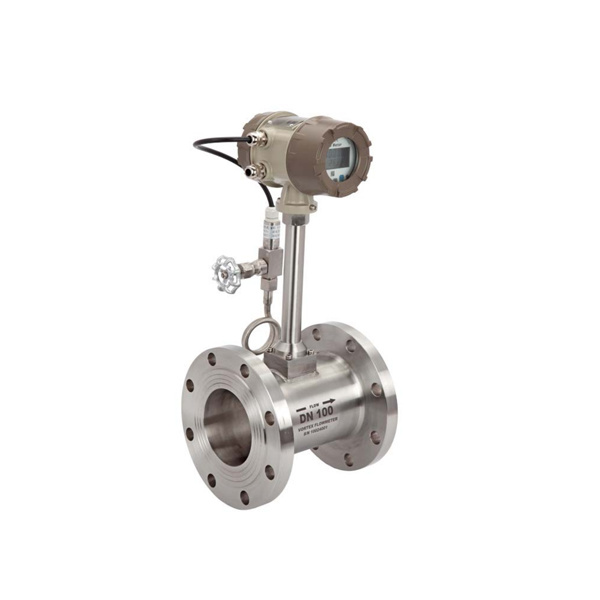
Understanding Vorex Flow Meters: A Comprehensive Guide to Flow Measurement
2026-09-03
Flow measurement is an essential aspect of various industries, from water treatment to chemical manufacturing and beyond. One device that stands out in this field is the Vorex flow meter. These instruments are designed to accurately gauge the flow rate of liquids and gases, ensuring that processes operate smoothly and efficiently.
A Vorex flow meter typically operates on the principle of measuring

How Acrylic Flow Meters Enhance Efficiency in Fluid Dynamics
2026-08-27
How Acrylic Flow Meters Enhance Efficiency in Fluid Dynamics
Table of Contents
1. Introduction to Acrylic Flow Meters
2. Understanding Fluid Dynamics
3. The Importance of Accurate Flow Measurement
4. Benefits of Acrylic Flow Meters
5. Applications of Acrylic Flow Meters in Various Industries
6. How Acrylic Flow Meters Work
7. Choosing the Right Acrylic Flow Meter
8

CREATEC will be there where there is water
Focus on the independent research and development of online water quality analysis instruments and water environmental protection analysis instruments
ABOUT US
Hebei Create Instrumentation Technologies Co., Ltd. is a national high-tech technology enterprise which is specialized in the water quality online analysis instruments.The founder Hao shuanju was first awarded the national “Automatic Pure Water Monitor” patent in 1988.And entered into the field of water quality online analysis and research.
CONTACT US
Factory :NO.2 Building ,No.368 North Xinshi Road, Shijiazhuang 050091,Hebei Province,China.
Office Address: Block 23, Keying·Zhichuang Valley, Huai'an West Road, Luquan District, Shijiazhuang City
Tel: 86-311-83831058 / 67368592
E-Mail:meter@createc.cn
QUALITY OF SERVICE

Follow us
Learn more about online water quality analysis instruments