
Elevating Water Quality Standards with Advanced Electromagnetic Flow Meter Solutions
2026-07-30
Elevating Water Quality Standards with Advanced Electromagnetic Flow Meter Solutions
Introduction to Electromagnetic Flow Meters
In the realm of **water quality measurement**, the use of advanced technologies has become paramount. One such technology, the **electromagnetic flow meter**, is revolutionizing how industries manage and monitor water quality. This article explores the intricacies of e
Elevating Water Quality Standards with Advanced Electromagnetic Flow Meter Solutions
Introduction to Electromagnetic Flow Meters
In the realm of **water quality measurement**, the use of advanced technologies has become paramount. One such technology, the **electromagnetic flow meter**, is revolutionizing how industries manage and monitor water quality. This article explores the intricacies of electromagnetic flow meters, their advantages, and how they contribute to elevating water quality standards across various applications.
Understanding Electromagnetic Flow Meters
Electromagnetic flow meters operate based on Faraday's law of electromagnetic induction. This principle states that a voltage is induced when a conductor moves through a magnetic field. In the context of water flow measurement, the water acts as the conductor, while the magnetic field is generated by the meter itself.
How Electromagnetic Flow Meters Work
To understand their functionality, consider the following process:
1. **Magnetic Field Generation**: The meter generates a magnetic field using coil windings.
2. **Fluid Flow**: As water flows through the meter, it cuts through this magnetic field.
3. **Voltage Induction**: The motion induces a voltage proportional to the flow rate.
4. **Signal Processing**: This voltage is measured and converted into a flow rate reading, displayed in real-time.
Key Features of Electromagnetic Flow Meters
- **Non-Intrusive Measurement**: They don’t obstruct the flow, ensuring minimal interference.
- **Wide Range of Applications**: Suitable for various liquids, including dirty or viscous fluids.
- **High Accuracy**: Known for their precise flow measurements, enhancing water quality control.
- **Durability**: Designed to withstand harsh conditions, ensuring long-term reliability.
The Importance of Water Quality Standards
Water quality standards are essential to ensure the safety and health of ecosystems and human populations. In industries like **pharmaceuticals**, **food and beverage**, and **environmental monitoring**, adhering to these standards is critical. Poor water quality can lead to contamination, health risks, and legal ramifications.
Regulatory Framework and Compliance
Various organizations, such as the **Environmental Protection Agency (EPA)** and the **World Health Organization (WHO)**, set stringent water quality standards. Compliance with these regulations is necessary for industries to maintain operational integrity and safeguard public health.
Benefits of Implementing Electromagnetic Flow Meter Solutions
Integrating electromagnetic flow meters provides numerous advantages that significantly enhance water quality management.
Enhanced Accuracy and Reliability
Electromagnetic flow meters offer unparalleled accuracy, which is crucial for industries where precise measurements are vital. They minimize the risk of errors associated with mechanical flow meters, thus ensuring compliance with water quality standards.
Real-Time Monitoring Capabilities
The ability to monitor water quality in real-time allows industries to detect issues promptly. Continuous data collection enables swift responses to fluctuations in water quality, mitigating potential risks.
Reduced Maintenance Costs
Due to their non-intrusive nature and lack of moving parts, electromagnetic flow meters require less maintenance compared to traditional flow measurement devices. This reduction in maintenance translates into cost savings for industries.
Versatility Across Applications
Electromagnetic flow meters are versatile, making them suitable for various applications, including:
- **Wastewater Treatment**: Monitoring flow rates in treatment plants to ensure compliance.
- **Industrial Processes**: Managing water use in manufacturing and production.
- **Agriculture**: Efficiently measuring irrigation water usage.
Applications of Electromagnetic Flow Meters in Different Industries
The deployment of electromagnetic flow meters spans multiple sectors, each benefiting uniquely from their capabilities.
Pharmaceutical Industry
In the pharmaceutical realm, adhering to stringent water quality standards is non-negotiable. Electromagnetic flow meters ensure accurate monitoring of process water used in drug manufacturing, safeguarding product integrity.
Food and Beverage Sector
Food safety regulations mandate precise water quality monitoring. Electromagnetic flow meters help maintain the quality of water used in food processing, ensuring compliance with health regulations.
Environmental Monitoring
Monitoring water quality in natural water bodies is crucial for environmental protection. Electromagnetic flow meters facilitate the measurement of flow rates in rivers and lakes, aiding conservation efforts.
Challenges and Considerations in Implementation
While the benefits of electromagnetic flow meters are noteworthy, some challenges must be addressed to ensure effective implementation.
Initial Investment Costs
The initial cost of purchasing and installing electromagnetic flow meters can be higher than traditional options. However, long-term savings from reduced maintenance and enhanced accuracy often justify this investment.
Calibration and Integration
Proper calibration is essential for achieving accurate measurements. Additionally, integrating electromagnetic flow meters into existing systems may require technical expertise.
Future Trends in Water Quality Management
As technology advances, the future of water quality management looks promising. Emerging trends include:
Smart Water Management Systems
The integration of IoT (Internet of Things) technology with electromagnetic flow meters allows for smarter water management, enabling remote monitoring and automated data analysis.
Data Analytics and Predictive Maintenance
Leveraging big data analytics will provide industries with insights into water quality trends, facilitating proactive maintenance and operational efficiency.
Frequently Asked Questions (FAQs)
1. What industries benefit most from electromagnetic flow meters?
Industries such as pharmaceuticals, food and beverage, wastewater treatment, and agriculture significantly benefit from electromagnetic flow meters due to their accuracy and reliability.
2. How do electromagnetic flow meters compare to traditional flow meters?
Electromagnetic flow meters offer higher accuracy, require less maintenance, and can measure a wider range of fluids compared to traditional mechanical flow meters.
3. Are electromagnetic flow meters suitable for liquid waste measurement?
Yes, electromagnetic flow meters are highly effective for measuring liquid waste, even in challenging conditions, due to their non-intrusive design.
4. What factors should be considered when choosing an electromagnetic flow meter?
Consider factors such as the type of fluid, flow range, installation conditions, and regulatory compliance when selecting an electromagnetic flow meter.
5. Can electromagnetic flow meters be integrated into existing water management systems?
Yes, with proper calibration and technical expertise, electromagnetic flow meters can be seamlessly integrated into existing water management systems.
Conclusion
Advanced electromagnetic flow meter solutions play a critical role in elevating water quality standards across various industries. Their accuracy, reliability, and ability to provide real-time monitoring enable organizations to comply with stringent regulations and safeguard public health. As technology continues to evolve, the integration of these solutions will undoubtedly pave the way for smarter, more efficient water quality management practices, ensuring a sustainable future for our most vital resource.
Insert Electromagnetic Flow Meter
RELATED NEWS

2026-09-10
Maximizing Efficiency with Multi-parameter Analysis System Integration
Introduction to Multi-parameter Analysis Systems
In the fast-evolving landscape of medical and health diagnostics, the integration of multi-parameter analysis systems is becoming increasingly vital. These sophisticated instruments allow for simultaneous measurement of multiple parameters, significantly enhancing the efficiency
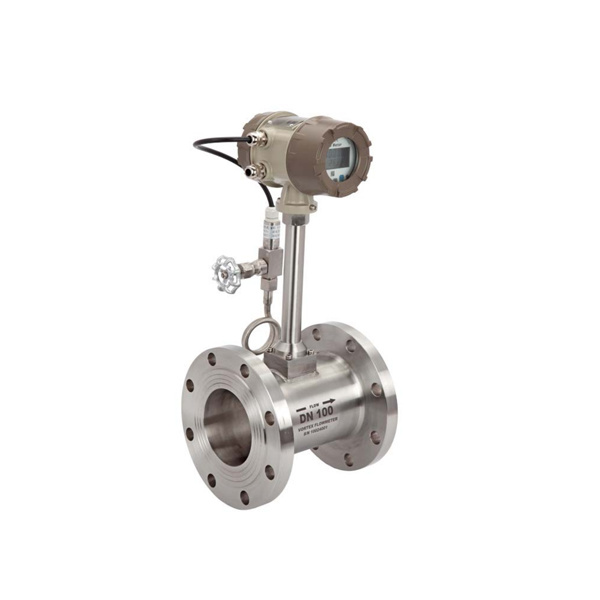
Understanding Vorex Flow Meters: A Comprehensive Guide to Flow Measurement
2026-09-03
Flow measurement is an essential aspect of various industries, from water treatment to chemical manufacturing and beyond. One device that stands out in this field is the Vorex flow meter. These instruments are designed to accurately gauge the flow rate of liquids and gases, ensuring that processes operate smoothly and efficiently.
A Vorex flow meter typically operates on the principle of measuring

How Acrylic Flow Meters Enhance Efficiency in Fluid Dynamics
2026-08-27
How Acrylic Flow Meters Enhance Efficiency in Fluid Dynamics
Table of Contents
1. Introduction to Acrylic Flow Meters
2. Understanding Fluid Dynamics
3. The Importance of Accurate Flow Measurement
4. Benefits of Acrylic Flow Meters
5. Applications of Acrylic Flow Meters in Various Industries
6. How Acrylic Flow Meters Work
7. Choosing the Right Acrylic Flow Meter
8

CREATEC will be there where there is water
Focus on the independent research and development of online water quality analysis instruments and water environmental protection analysis instruments
ABOUT US
Hebei Create Instrumentation Technologies Co., Ltd. is a national high-tech technology enterprise which is specialized in the water quality online analysis instruments.The founder Hao shuanju was first awarded the national “Automatic Pure Water Monitor” patent in 1988.And entered into the field of water quality online analysis and research.
CONTACT US
Factory :NO.2 Building ,No.368 North Xinshi Road, Shijiazhuang 050091,Hebei Province,China.
Office Address: Block 23, Keying·Zhichuang Valley, Huai'an West Road, Luquan District, Shijiazhuang City
Tel: 86-311-83831058 / 67368592
E-Mail:meter@createc.cn
QUALITY OF SERVICE

Follow us
Learn more about online water quality analysis instruments