
Unlocking the Power of Reverse Osmosis Control Integrated Systems for Water Quality Analysis
2026-03-05
Reverse Osmosis (RO) Control Integrated Systems represent a significant advancement in water purification technology, particularly in fields such as pharmaceuticals and healthcare. These systems utilize the principles of reverse osmosis, where water is forced through a semi-permeable membrane, effectively removing impurities, contaminants, and microorganisms. The integration of control features in
Reverse Osmosis (RO) Control Integrated Systems represent a significant advancement in water purification technology, particularly in fields such as pharmaceuticals and healthcare. These systems utilize the principles of reverse osmosis, where water is forced through a semi-permeable membrane, effectively removing impurities, contaminants, and microorganisms. The integration of control features in these systems enhances their efficiency and reliability, making them vital for water quality analysis.
One of the primary advantages of Reverse Osmosis Control Integrated Systems is their ability to provide consistent and high-quality purified water. In the medical and analytical industries, the purity of water is paramount, as even trace amounts of contaminants can compromise results or affect patient safety. These systems ensure that the water used in experiments, tests, and other applications meets stringent quality standards, thereby fostering trust in the data produced.
Moreover, the control features embedded in these RO systems offer users real-time monitoring and automated adjustments, which enhance operational efficiency. The ability to track various parameters such as pressure, flow rate, and conductivity allows for immediate identification of issues, reducing downtime and ensuring that the purification process runs smoothly. This real-time data is crucial, especially in high-stakes environments like laboratories or hospitals, where water quality directly impacts outcomes.
In addition to their operational benefits, Reverse Osmosis Control Integrated Systems are also designed with sustainability in mind. They typically consume less energy compared to traditional water treatment methods and can be optimized to reduce water waste. This is particularly important in today's context, where resource conservation is a growing concern. By investing in these advanced systems, organizations in the pharmaceutical and healthcare sectors can contribute to environmental sustainability while maintaining compliance with industry standards.
Furthermore, the versatility of these systems allows them to be customized according to specific needs and applications. Whether for a small laboratory or a large-scale production facility, Reverse Osmosis Control Integrated Systems can be tailored to meet various water quality requirements. This flexibility ensures that organizations can adapt to changing demands without compromising on quality.
In conclusion, Reverse Osmosis Control Integrated Systems play a crucial role in ensuring water quality for pharmaceutical and healthcare applications. By combining advanced filtration technology with smart control features, these systems not only enhance the efficiency and reliability of water purification processes but also support sustainability efforts. Thus, investing in such systems is a strategic move for any organization aiming to uphold high standards in water quality analysis.
One of the primary advantages of Reverse Osmosis Control Integrated Systems is their ability to provide consistent and high-quality purified water. In the medical and analytical industries, the purity of water is paramount, as even trace amounts of contaminants can compromise results or affect patient safety. These systems ensure that the water used in experiments, tests, and other applications meets stringent quality standards, thereby fostering trust in the data produced.
Moreover, the control features embedded in these RO systems offer users real-time monitoring and automated adjustments, which enhance operational efficiency. The ability to track various parameters such as pressure, flow rate, and conductivity allows for immediate identification of issues, reducing downtime and ensuring that the purification process runs smoothly. This real-time data is crucial, especially in high-stakes environments like laboratories or hospitals, where water quality directly impacts outcomes.
In addition to their operational benefits, Reverse Osmosis Control Integrated Systems are also designed with sustainability in mind. They typically consume less energy compared to traditional water treatment methods and can be optimized to reduce water waste. This is particularly important in today's context, where resource conservation is a growing concern. By investing in these advanced systems, organizations in the pharmaceutical and healthcare sectors can contribute to environmental sustainability while maintaining compliance with industry standards.
Furthermore, the versatility of these systems allows them to be customized according to specific needs and applications. Whether for a small laboratory or a large-scale production facility, Reverse Osmosis Control Integrated Systems can be tailored to meet various water quality requirements. This flexibility ensures that organizations can adapt to changing demands without compromising on quality.
In conclusion, Reverse Osmosis Control Integrated Systems play a crucial role in ensuring water quality for pharmaceutical and healthcare applications. By combining advanced filtration technology with smart control features, these systems not only enhance the efficiency and reliability of water purification processes but also support sustainability efforts. Thus, investing in such systems is a strategic move for any organization aiming to uphold high standards in water quality analysis.
Reverse Osmosis Control Integrated System
RELATED NEWS
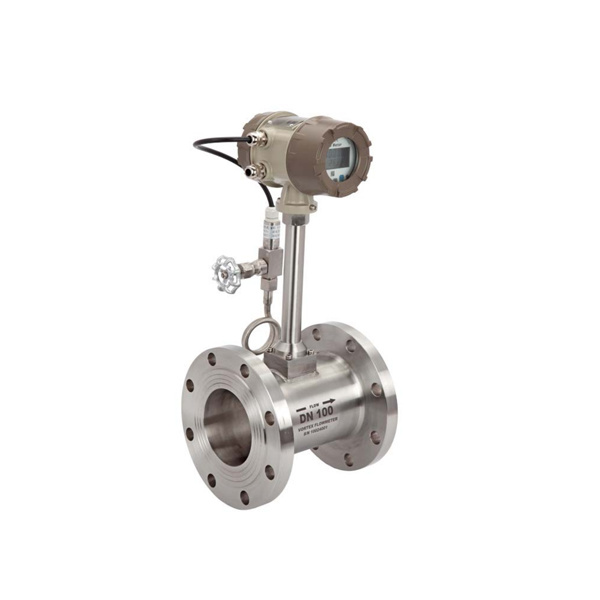
Understanding Vorex Flow Meters: A Comprehensive Guide to Flow Measurement
2026-09-03
Flow measurement is an essential aspect of various industries, from water treatment to chemical manufacturing and beyond. One device that stands out in this field is the Vorex flow meter. These instruments are designed to accurately gauge the flow rate of liquids and gases, ensuring that processes operate smoothly and efficiently.
A Vorex flow meter typically operates on the principle of measuring

How Acrylic Flow Meters Enhance Efficiency in Fluid Dynamics
2026-08-27
How Acrylic Flow Meters Enhance Efficiency in Fluid Dynamics
Table of Contents
1. Introduction to Acrylic Flow Meters
2. Understanding Fluid Dynamics
3. The Importance of Accurate Flow Measurement
4. Benefits of Acrylic Flow Meters
5. Applications of Acrylic Flow Meters in Various Industries
6. How Acrylic Flow Meters Work
7. Choosing the Right Acrylic Flow Meter
8

Understanding Durable Plastic Tube Type Flowmeters: A Comprehensive Guide
2026-08-20
Durable plastic tube type flowmeters are essential instruments in the measurement of fluid dynamics, prominently used in various industries including chemical processing, water treatment, and food production. These flowmeters are designed to provide accurate flow measurement while ensuring durability and reliability in diverse applications.
One of the primary advantages of durable plastic tube ty

CREATEC will be there where there is water
Focus on the independent research and development of online water quality analysis instruments and water environmental protection analysis instruments
ABOUT US
Hebei Create Instrumentation Technologies Co., Ltd. is a national high-tech technology enterprise which is specialized in the water quality online analysis instruments.The founder Hao shuanju was first awarded the national “Automatic Pure Water Monitor” patent in 1988.And entered into the field of water quality online analysis and research.
CONTACT US
Factory :NO.2 Building ,No.368 North Xinshi Road, Shijiazhuang 050091,Hebei Province,China.
Office Address: Block 23, Keying·Zhichuang Valley, Huai'an West Road, Luquan District, Shijiazhuang City
Tel: 86-311-83831058 / 67368592
E-Mail:meter@createc.cn
QUALITY OF SERVICE

Follow us
Learn more about online water quality analysis instruments