
Optimizing Water Quality Assessment through Integrated Systems: A Comprehensive Guide
2026-02-26
Optimizing Water Quality Assessment through Integrated Systems
Introduction to Water Quality Assessment
Water quality assessment is crucial for both environmental health and public safety. It involves the systematic measurement and evaluation of various water parameters to ensure that water sources meet necessary health and safety standards. With the increasing complexity of water pollution source
Optimizing Water Quality Assessment through Integrated Systems
Introduction to Water Quality Assessment
Water quality assessment is crucial for both environmental health and public safety. It involves the systematic measurement and evaluation of various water parameters to ensure that water sources meet necessary health and safety standards. With the increasing complexity of water pollution sources, optimizing these assessments has become paramount. Integrated systems offer a comprehensive approach to streamline water quality evaluations, ensuring accuracy and efficiency.
The Importance of Integrated Systems in Water Quality Assessment
Integrated systems facilitate the seamless combination of various technologies and methodologies, enhancing the effectiveness of water quality assessments. By employing an array of sensors, analytical instruments, and data management systems, stakeholders can achieve a more holistic understanding of water quality. This integrated approach ensures that assessments are not only comprehensive but also timely, enabling rapid responses to potential water quality issues.
Key Benefits of Integrated Systems
1. Enhanced Data Accuracy
Integrated systems utilize advanced sensors and data analytics to provide precise measurements of water quality parameters. This reduces human error and increases the reliability of the assessments.
2. Real-Time Monitoring
With integrated systems, stakeholders can monitor water quality in real time. This capability allows for immediate detection of anomalies, fostering quicker decision-making and remedial actions.
3. Improved Resource Management
By integrating various analytical tools and data sources, organizations can optimize resource allocation. This ensures that efforts are focused on areas where they are most needed, enhancing overall efficiency.
4. Enhanced Regulatory Compliance
Integrated systems can help organizations maintain compliance with water quality regulations. By providing accurate and comprehensive data, these systems enable stakeholders to meet legal requirements more effectively.
5. Cost-Effective Solutions
While the initial investment in integrated systems may be significant, the long-term cost savings through improved efficiency and reduced errors make it a wise investment for water quality assessment.
Components of Integrated Systems for Water Quality Assessment
Understanding the components that make up integrated systems is key to optimizing water quality assessments. These components typically include:
1. Advanced Sensors
Advanced sensors play a critical role in measuring various water quality parameters such as pH, turbidity, dissolved oxygen, and heavy metals. Technologies such as fluorescence and infrared spectroscopy provide precise readings with minimal delay.
2. Data Management Software
Robust data management software is essential for storing, processing, and analyzing the data collected from sensors. This software allows for sophisticated data visualization and reporting, enabling stakeholders to make informed decisions based on solid evidence.
3. Communication Networks
Efficient communication networks are vital for integrating data from multiple sources. These networks facilitate the rapid transmission of data to monitoring centers, ensuring timely responses to potential issues.
4. Analytical Algorithms
The implementation of analytical algorithms enhances the ability to interpret complex datasets. Machine learning and artificial intelligence can identify patterns and predict future water quality trends, providing invaluable insights for proactive management.
5. User Interface
A user-friendly interface ensures that stakeholders can easily navigate through the data and generate reports. Intuitive design enhances usability, ensuring that even non-technical users can access critical information swiftly.
Integrating Technologies for Optimal Water Quality Assessment
The integration of various technologies is crucial for enhancing water quality assessment. Below are some of the primary technologies currently used:
1. Remote Sensing Technologies
Remote sensing technologies, such as satellite imagery and aerial drones, provide comprehensive overviews of water bodies. These technologies can be used to assess large areas quickly, identifying pollution sources and changes in water quality over time.
2. IoT Devices
The Internet of Things (IoT) plays a significant role in modern water quality assessment. IoT devices can continuously monitor water parameters and transmit data to centralized systems, facilitating real-time analysis and intervention.
3. Blockchain for Data Integrity
Blockchain technology can enhance data integrity by providing a secure and transparent method of documenting water quality assessments. This application ensures that data remains unaltered and can be trusted by stakeholders.
4. Machine Learning and AI
Machine learning algorithms can analyze historical data to predict future water quality trends. By identifying trends and anomalies, these technologies can inform better water management practices.
Case Studies of Successful Integrated Water Quality Assessment Systems
Examining successful implementations of integrated water quality assessment systems can offer valuable insights into best practices.
Case Study 1: Urban Water Management in Singapore
Singapore has implemented an integrated water quality assessment system that utilizes real-time sensors throughout its water supply network. This system has significantly reduced water quality incidents and improved public trust in water safety.
Case Study 2: Agricultural Water Quality Monitoring in California
In California, an integrated system combining satellite imagery and ground sensors has enhanced water quality monitoring for agricultural purposes. This approach has led to more sustainable practices and reduced pollution runoff into nearby water bodies.
Case Study 3: Industrial Water Quality Control in Germany
Germany's industrial sector has adopted integrated systems that incorporate machine learning for predictive maintenance of water treatment facilities. This has minimized downtime and increased operational efficiency.
Implementing Integrated Systems: Challenges and Solutions
While integrated systems offer significant advantages, there are challenges in their implementation:
1. High Initial Costs
The initial investment for integrated systems can be substantial. However, organizations can consider phased implementation, allowing for gradual investment and scaling.
2. Data Overload
The vast amounts of data generated can overwhelm stakeholders. Implementing effective data management systems with clear visualization tools can alleviate this issue.
3. Skill Gaps in Workforce
A skilled workforce is essential for operating integrated systems. Providing training and development opportunities can help bridge the skill gap.
Future Trends in Water Quality Assessment
The future of water quality assessment lies in further integration of technologies:
1. Increased Use of AI and Automation
The ongoing development of AI algorithms will lead to more automated systems, reducing the need for manual data entry and increasing response times.
2. Greater Public Engagement
As technology becomes more accessible, public engagement in water quality monitoring will increase. Citizen science initiatives can empower communities to participate actively in monitoring their water sources.
3. Enhanced Regulatory Frameworks
Regulatory bodies are likely to adopt integrated systems as standard practice, ensuring that water quality assessments are informed by comprehensive data and advanced technologies.
FAQs about Integrated Water Quality Assessment Systems
1. What are integrated water quality assessment systems?
Integrated water quality assessment systems combine various technologies and methodologies to evaluate water quality comprehensively, providing real-time data and enhancing accuracy.
2. How do integrated systems improve water quality management?
They improve water quality management by offering real-time monitoring, enhancing data accuracy, and enabling better resource allocation and compliance with regulations.
3. What technologies are used in integrated water quality assessment?
Technologies such as advanced sensors, IoT devices, machine learning algorithms, and remote sensing are commonly used in integrated water quality assessment systems.
4. What are the challenges of implementing integrated systems?
Challenges include high initial costs, data overload, and the need for a skilled workforce. Solutions involve phased implementation, effective data management, and training programs.
5. How can organizations ensure compliance with water quality regulations?
Organizations can ensure compliance by utilizing integrated systems that provide accurate and comprehensive data, allowing for timely responses to regulatory requirements.
Conclusion
Optimizing water quality assessment through integrated systems is no longer a choice but a necessity in today's complex water management landscape. By leveraging advanced technologies and methodologies, we can achieve significant improvements in accuracy, efficiency, and sustainability. As we move forward, embracing these systems will be vital for ensuring the safety of our water resources and safeguarding public health. The integration of various components not only enhances monitoring capabilities but also empowers stakeholders to take immediate action in the face of potential threats.
Multi-parameter Online Analysis System Integration
RELATED NEWS
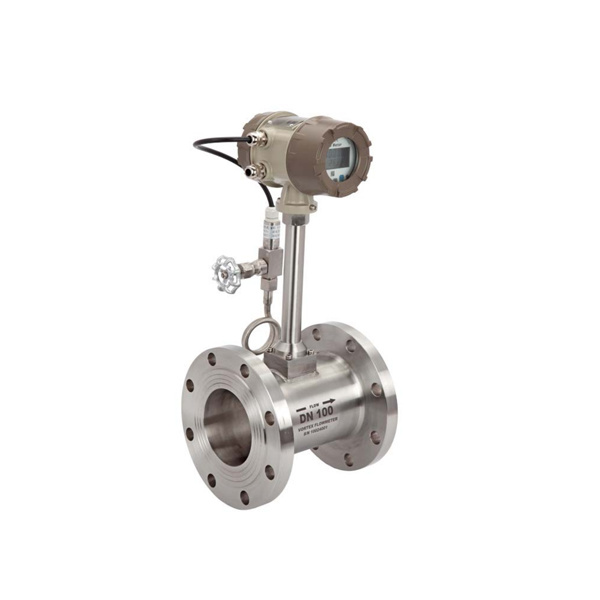
Understanding Vorex Flow Meters: A Comprehensive Guide to Flow Measurement
2026-09-03
Flow measurement is an essential aspect of various industries, from water treatment to chemical manufacturing and beyond. One device that stands out in this field is the Vorex flow meter. These instruments are designed to accurately gauge the flow rate of liquids and gases, ensuring that processes operate smoothly and efficiently.
A Vorex flow meter typically operates on the principle of measuring

How Acrylic Flow Meters Enhance Efficiency in Fluid Dynamics
2026-08-27
How Acrylic Flow Meters Enhance Efficiency in Fluid Dynamics
Table of Contents
1. Introduction to Acrylic Flow Meters
2. Understanding Fluid Dynamics
3. The Importance of Accurate Flow Measurement
4. Benefits of Acrylic Flow Meters
5. Applications of Acrylic Flow Meters in Various Industries
6. How Acrylic Flow Meters Work
7. Choosing the Right Acrylic Flow Meter
8

Understanding Durable Plastic Tube Type Flowmeters: A Comprehensive Guide
2026-08-20
Durable plastic tube type flowmeters are essential instruments in the measurement of fluid dynamics, prominently used in various industries including chemical processing, water treatment, and food production. These flowmeters are designed to provide accurate flow measurement while ensuring durability and reliability in diverse applications.
One of the primary advantages of durable plastic tube ty

CREATEC will be there where there is water
Focus on the independent research and development of online water quality analysis instruments and water environmental protection analysis instruments
ABOUT US
Hebei Create Instrumentation Technologies Co., Ltd. is a national high-tech technology enterprise which is specialized in the water quality online analysis instruments.The founder Hao shuanju was first awarded the national “Automatic Pure Water Monitor” patent in 1988.And entered into the field of water quality online analysis and research.
CONTACT US
Factory :NO.2 Building ,No.368 North Xinshi Road, Shijiazhuang 050091,Hebei Province,China.
Office Address: Block 23, Keying·Zhichuang Valley, Huai'an West Road, Luquan District, Shijiazhuang City
Tel: 86-311-83831058 / 67368592
E-Mail:meter@createc.cn
QUALITY OF SERVICE

Follow us
Learn more about online water quality analysis instruments