
Advancing Healthcare Technology: The Role of Digital Multi-Parameter Integration Sensors
2026-03-12
Advancing Healthcare Technology: The Role of Digital Multi-Parameter Integration Sensors
Table of Contents
Introduction to Digital Multi-Parameter Integration Sensors
The Significance of Multi-Parameter Sensors in Healthcare
How Digital Sensors Work: A Comprehensive Overview
Key Applications of Digital Multi-Parameter Integration Sensors in Healthcare
Patient
Advancing Healthcare Technology: The Role of Digital Multi-Parameter Integration Sensors
Table of Contents
- Introduction to Digital Multi-Parameter Integration Sensors
- The Significance of Multi-Parameter Sensors in Healthcare
- How Digital Sensors Work: A Comprehensive Overview
- Key Applications of Digital Multi-Parameter Integration Sensors in Healthcare
- Patient Monitoring and Vital Signs Tracking
- Laboratory Analysis and Diagnostics
- Environmental Health Monitoring
- Benefits of Multi-Parameter Integration
- Challenges and Considerations in Implementation
- Future Trends in Digital Multi-Parameter Sensors
- Conclusion
- Frequently Asked Questions
Introduction to Digital Multi-Parameter Integration Sensors
Digital multi-parameter integration sensors represent a significant leap forward in healthcare technology, merging various diagnostic capabilities into one streamlined device. These sensors offer the ability to simultaneously measure multiple parameters—such as temperature, pH, dissolved oxygen, and more—thereby providing healthcare professionals with comprehensive data at their fingertips. With the increasing complexity of health monitoring needs and the rising demand for precise diagnostics, the introduction of these digital sensors is proving invaluable. In this article, we will explore the multifaceted role of these sensors in advancing healthcare technology, their applications, benefits, and future trends.
The Significance of Multi-Parameter Sensors in Healthcare
The integration of digital multi-parameter sensors into healthcare systems is not merely a trend but a necessity. As healthcare evolves, so does the need for accurate, real-time data that can influence patient outcomes. These sensors enhance the ability to monitor and analyze various health indicators simultaneously, thus facilitating timely interventions. By consolidating multiple functions into a single device, healthcare providers can reduce costs, improve efficiency, and enhance patient experience.
Enhanced Data Accuracy and Real-Time Monitoring
The digital nature of multi-parameter integration sensors allows for remarkable accuracy in data collection. Digital sensors minimize human error, ensuring that the data provided is both reliable and precise. Additionally, real-time monitoring capabilities enable healthcare providers to respond swiftly to any anomalies in patient health, significantly improving clinical outcomes.
Improved Patient Experience and Satisfaction
Patients today seek a seamless healthcare experience. By utilizing multi-parameter sensors, healthcare providers can simplify the testing process, reducing wait times and discomfort associated with multiple tests. This integrated approach fosters a more patient-centered atmosphere, leading to higher satisfaction rates.
How Digital Sensors Work: A Comprehensive Overview
Digital multi-parameter integration sensors operate on sophisticated principles that allow them to gather and process data from various sources. Typically, these sensors consist of a network of individual sensors, each designed to detect specific parameters.
Components of Digital Multi-Parameter Sensors
1. **Sensing Elements**: These are the core components responsible for detecting specific physical or chemical changes.
2. **Data Acquisition Systems**: These systems collect and process the raw data from the sensing elements.
3. **Communication Interfaces**: Digital sensors often include wireless capabilities, enabling data transfer to central databases or healthcare information systems.
4. **Software Algorithms**: Advanced algorithms analyze the collected data, providing actionable insights and predictive analytics.
Data Integration and Interpretation
These sensors aggregate data from various parameters and utilize software for interpretation. This integration is crucial in clinical settings where quick and accurate analysis is essential. Healthcare providers can gain insights into a patient's overall health status through consolidated data reports, making informed decisions regarding treatment plans.
Key Applications of Digital Multi-Parameter Integration Sensors in Healthcare
The versatility of digital multi-parameter integration sensors facilitates their application across various sectors of healthcare.
Patient Monitoring and Vital Signs Tracking
In acute care settings, continuous monitoring of vital signs is paramount. Digital multi-parameter sensors enable the simultaneous tracking of heart rate, respiratory rate, blood pressure, and oxygen saturation. This comprehensive monitoring is especially beneficial in critical care units where patient conditions can change rapidly. By providing continuous data, healthcare professionals can make timely decisions, potentially saving lives.
Laboratory Analysis and Diagnostics
In laboratories, multi-parameter sensors streamline analysis processes. Whether it is blood analysis or environmental samples, these sensors can quickly measure various parameters, enhancing the accuracy and speed of diagnostics. Laboratories benefit from reduced workload and improved throughput, allowing for faster patient turnarounds.
Environmental Health Monitoring
Environmental health is a growing concern, and multi-parameter sensors play a critical role in monitoring air and water quality. These sensors can detect harmful contaminants in real-time, providing essential data to safeguard public health. Their integration into environmental health initiatives can lead to more effective interventions and regulatory compliance.
Benefits of Multi-Parameter Integration
The integration of multi-parameter sensors into healthcare systems offers numerous advantages.
Cost Efficiency
By consolidating multiple testing functions into one device, healthcare providers can significantly reduce equipment costs and maintenance expenses. Fewer devices mean lower operational costs and a smaller footprint in healthcare facilities.
Streamlined Workflow
With the ability to measure multiple parameters simultaneously, healthcare professionals can streamline workflows. This efficiency reduces the time spent on individual testing, allowing more focus on patient care.
Enhanced Data Management
Multi-parameter integration sensors improve data management practices. Centralized data collection simplifies analysis and reporting, enabling healthcare providers to track patient outcomes effectively. Data from these sensors can also contribute to larger data sets for research purposes.
Challenges and Considerations in Implementation
While the benefits of digital multi-parameter integration sensors are evident, certain challenges must be addressed.
Integration with Existing Systems
The successful deployment of multi-parameter sensors requires seamless integration with existing healthcare information systems. This process can be complex and time-consuming, necessitating adequate planning and resources.
Data Security and Privacy Concerns
As with any digital technology, data security is paramount. Ensuring the protection of sensitive patient information is essential. Healthcare organizations must invest in robust cybersecurity measures to prevent data breaches and maintain patient trust.
Training and Adoption
Healthcare professionals must be adequately trained to utilize these advanced sensors effectively. Ongoing education and support are crucial to ensure that staff can maximize the benefits of multi-parameter integration sensors.
Future Trends in Digital Multi-Parameter Sensors
As technology continues to evolve, the future of digital multi-parameter integration sensors looks promising.
Integration with Artificial Intelligence
The incorporation of artificial intelligence (AI) into multi-parameter sensors is set to revolutionize healthcare diagnostics. AI algorithms can analyze complex data sets, identify patterns, and predict health issues before they manifest, allowing for proactive interventions.
Wearable Technologies
The rise of wearable technologies will further enhance the capabilities of multi-parameter sensors. These devices will empower patients to monitor their health in real time, providing valuable data to healthcare providers and fostering greater patient engagement.
Telemedicine and Remote Patient Monitoring
The growing trend of telemedicine will benefit significantly from the adoption of digital multi-parameter sensors. Remote patient monitoring using these devices will enable healthcare providers to manage patient care more effectively, even from a distance.
Conclusion
Digital multi-parameter integration sensors are at the forefront of healthcare technology, offering transformative potential across various applications. By providing accurate, real-time data, these sensors enhance patient monitoring, streamline laboratory diagnostics, and contribute to environmental health initiatives. Despite the challenges associated with their implementation, the benefits far outweigh the drawbacks, paving the way for a future where healthcare is more efficient, effective, and patient-centered.
Frequently Asked Questions
1. What are digital multi-parameter integration sensors?
Digital multi-parameter integration sensors are advanced devices capable of measuring multiple health parameters simultaneously, providing comprehensive data for healthcare professionals.
2. How do these sensors improve patient monitoring?
These sensors enable real-time tracking of vital signs and health indicators, allowing healthcare providers to respond swiftly to any changes in a patient's condition, thereby improving outcomes.
3. What are the key applications of multi-parameter sensors in healthcare?
Key applications include patient monitoring, laboratory analysis, and environmental health monitoring, all of which benefit from the accuracy and efficiency of multi-parameter sensors.
4. What challenges are associated with the implementation of these sensors?
Challenges include integration with existing systems, data privacy concerns, and the need for adequate training for healthcare professionals.
5. How will future trends impact multi-parameter integration sensors?
Future trends, including AI integration and wearable technologies, will enhance the capabilities of multi-parameter sensors, making healthcare more proactive and personalized.
Digital Multi-parameter integration sensor
RELATED NEWS
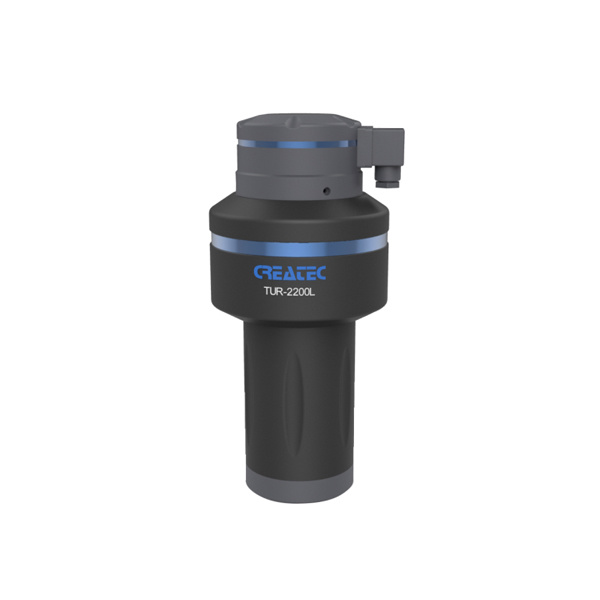
The Future of Water Treatment: Harnessing the Power of Online Turbidity Sensors
2026-10-08
The Future of Water Treatment: Harnessing the Power of Online Turbidity Sensors
Table of Contents
Introduction: The Importance of Water Quality Monitoring
Understanding Turbidity: What It Is and Why It Matters
The Role of Online Turbidity Sensors in Modern Water Treatment
Technology Behind Online Turbidity Sensors: How They Work
Benefits of Using Online Turbidity Sensors in Water Treatment
Applic

Understanding High Turbidity Data Acquisition Terminals in Water Quality Analysis
2026-10-01
---
In the realm of water quality analysis, particularly in the pharmaceutical and healthcare industries, High Turbidity Data Acquisition Terminals are essential tools. These specialized devices are designed to measure and record turbidity levels in water samples, which is a crucial parameter in determining the clarity and quality of water. Turbidity, caused by suspended particles, microorganisms,

Innovative Solutions for Water Quality Control: Digital Multi-parameter Integration Sensors
2026-09-24
Innovative Solutions for Water Quality Control: Digital Multi-parameter Integration Sensors
Table of Contents
Introduction to Water Quality Control
The Importance of Water Quality Monitoring
Traditional Methods of Water Quality Analysis
The Rise of Digital Multi-parameter Sensors
Key Features of Digital Multi-parameter Integration Sensors
Applications of Digital Multi-para

CREATEC will be there where there is water
Focus on the independent research and development of online water quality analysis instruments and water environmental protection analysis instruments
ABOUT US
Hebei Create Instrumentation Technologies Co., Ltd. is a national high-tech technology enterprise which is specialized in the water quality online analysis instruments.The founder Hao shuanju was first awarded the national “Automatic Pure Water Monitor” patent in 1988.And entered into the field of water quality online analysis and research.
CONTACT US
Factory :NO.2 Building ,No.368 North Xinshi Road, Shijiazhuang 050091,Hebei Province,China.
Office Address: Block 23, Keying·Zhichuang Valley, Huai'an West Road, Luquan District, Shijiazhuang City
Tel: 86-311-83831058 / 67368592
E-Mail:meter@createc.cn
QUALITY OF SERVICE

Follow us
Learn more about online water quality analysis instruments