
Understanding the Sanitary Digital Paddle Wheel Flow Sensor in Pharmaceutical Water Quality Analysis
2026-01-08
Sanitary Digital Paddle Wheel Flow Sensors are essential components in the pharmaceutical and healthcare sectors, particularly for applications involving water quality analysis. These sensors are designed to accurately measure the flow rate of liquids in sanitary applications, ensuring compliance with stringent regulatory standards. Utilizing a paddle wheel mechanism, these sensors capture flow ra
Sanitary Digital Paddle Wheel Flow Sensors are essential components in the pharmaceutical and healthcare sectors, particularly for applications involving water quality analysis. These sensors are designed to accurately measure the flow rate of liquids in sanitary applications, ensuring compliance with stringent regulatory standards. Utilizing a paddle wheel mechanism, these sensors capture flow rates by determining the velocity of the liquid passing through the sensor body, providing real-time data essential for maintaining optimal operational conditions.
One of the key advantages of Sanitary Digital Paddle Wheel Flow Sensors is their ability to operate in sterile environments, which is crucial for pharmaceutical applications. The materials used in these sensors are often selected for their compatibility with various types of liquids, including aggressive chemicals and high-purity water, ensuring minimal contamination risks. Typically constructed from stainless steel or other non-reactive materials, these sensors are designed to withstand harsh cleaning and sterilization processes, thus maintaining their accuracy over time.
Integration of digital technology in paddle wheel flow sensors enhances their functionality, allowing for more precise measurements and improved data processing capabilities. Digital output options enable seamless connectivity with modern data acquisition systems, facilitating real-time monitoring and analysis. This feature is particularly beneficial for quality assurance teams in pharmaceuticals, as it aids in monitoring flow rates, detecting anomalies, and ensuring that processes remain within desired parameters.
The installation of a Sanitary Digital Paddle Wheel Flow Sensor is relatively straightforward, making it an effective solution for new systems and retrofitting existing ones. Proper installation and calibration are critical to ensuring accurate flow measurements and minimizing potential error margins. In addition, regular maintenance and periodic calibration checks are advised to uphold sensor performance and ensure ongoing compliance with industry standards.
Another significant aspect to consider is the sensor’s ability to operate effectively under varying flow conditions. Whether dealing with low flow rates or sudden fluctuations, a quality sanitary digital paddle wheel flow sensor can provide reliable data that is essential for maintaining process integrity.
In summary, the Sanitary Digital Paddle Wheel Flow Sensor stands out as a vital instrument for water quality analysis in the pharmaceutical industry. Its design, compatibility with sanitary standards, and integration of digital technology make it an invaluable tool for professionals who prioritize precision and compliance in their operations. Understanding its capabilities and proper usage is key to leveraging its benefits for optimal water quality management.
One of the key advantages of Sanitary Digital Paddle Wheel Flow Sensors is their ability to operate in sterile environments, which is crucial for pharmaceutical applications. The materials used in these sensors are often selected for their compatibility with various types of liquids, including aggressive chemicals and high-purity water, ensuring minimal contamination risks. Typically constructed from stainless steel or other non-reactive materials, these sensors are designed to withstand harsh cleaning and sterilization processes, thus maintaining their accuracy over time.
Integration of digital technology in paddle wheel flow sensors enhances their functionality, allowing for more precise measurements and improved data processing capabilities. Digital output options enable seamless connectivity with modern data acquisition systems, facilitating real-time monitoring and analysis. This feature is particularly beneficial for quality assurance teams in pharmaceuticals, as it aids in monitoring flow rates, detecting anomalies, and ensuring that processes remain within desired parameters.
The installation of a Sanitary Digital Paddle Wheel Flow Sensor is relatively straightforward, making it an effective solution for new systems and retrofitting existing ones. Proper installation and calibration are critical to ensuring accurate flow measurements and minimizing potential error margins. In addition, regular maintenance and periodic calibration checks are advised to uphold sensor performance and ensure ongoing compliance with industry standards.
Another significant aspect to consider is the sensor’s ability to operate effectively under varying flow conditions. Whether dealing with low flow rates or sudden fluctuations, a quality sanitary digital paddle wheel flow sensor can provide reliable data that is essential for maintaining process integrity.
In summary, the Sanitary Digital Paddle Wheel Flow Sensor stands out as a vital instrument for water quality analysis in the pharmaceutical industry. Its design, compatibility with sanitary standards, and integration of digital technology make it an invaluable tool for professionals who prioritize precision and compliance in their operations. Understanding its capabilities and proper usage is key to leveraging its benefits for optimal water quality management.
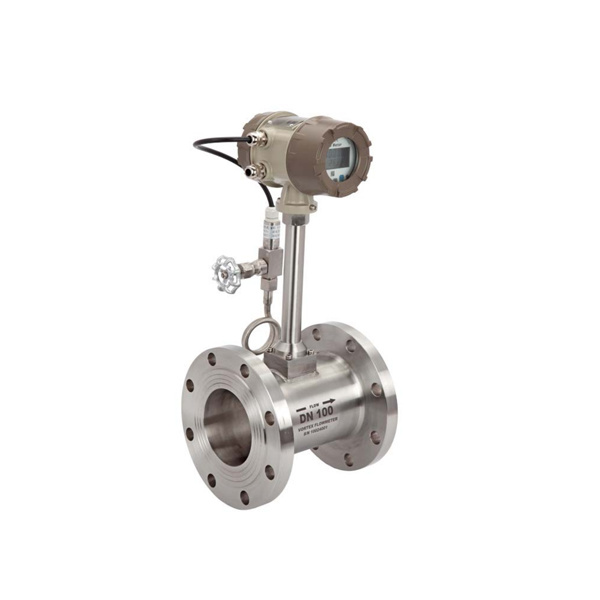
Sanitary Digital Paddle Wheel Flow Sensor
RELATED NEWS
Understanding Vorex Flow Meters: A Comprehensive Guide to Flow Measurement
2026-09-03
Flow measurement is an essential aspect of various industries, from water treatment to chemical manufacturing and beyond. One device that stands out in this field is the Vorex flow meter. These instruments are designed to accurately gauge the flow rate of liquids and gases, ensuring that processes operate smoothly and efficiently.
A Vorex flow meter typically operates on the principle of measuring

How Acrylic Flow Meters Enhance Efficiency in Fluid Dynamics
2026-08-27
How Acrylic Flow Meters Enhance Efficiency in Fluid Dynamics
Table of Contents
1. Introduction to Acrylic Flow Meters
2. Understanding Fluid Dynamics
3. The Importance of Accurate Flow Measurement
4. Benefits of Acrylic Flow Meters
5. Applications of Acrylic Flow Meters in Various Industries
6. How Acrylic Flow Meters Work
7. Choosing the Right Acrylic Flow Meter
8

Understanding Durable Plastic Tube Type Flowmeters: A Comprehensive Guide
2026-08-20
Durable plastic tube type flowmeters are essential instruments in the measurement of fluid dynamics, prominently used in various industries including chemical processing, water treatment, and food production. These flowmeters are designed to provide accurate flow measurement while ensuring durability and reliability in diverse applications.
One of the primary advantages of durable plastic tube ty

CREATEC will be there where there is water
Focus on the independent research and development of online water quality analysis instruments and water environmental protection analysis instruments
ABOUT US
Hebei Create Instrumentation Technologies Co., Ltd. is a national high-tech technology enterprise which is specialized in the water quality online analysis instruments.The founder Hao shuanju was first awarded the national “Automatic Pure Water Monitor” patent in 1988.And entered into the field of water quality online analysis and research.
CONTACT US
Factory :NO.2 Building ,No.368 North Xinshi Road, Shijiazhuang 050091,Hebei Province,China.
Office Address: Block 23, Keying·Zhichuang Valley, Huai'an West Road, Luquan District, Shijiazhuang City
Tel: 86-311-83831058 / 67368592
E-Mail:meter@createc.cn
QUALITY OF SERVICE

Follow us
Learn more about online water quality analysis instruments