
Enhancing Accuracy: Calibration Methods for Ultrasonic Open Channel Flow Meters
2026-01-01
Enhancing Accuracy: Calibration Methods for Ultrasonic Open Channel Flow Meters
In today’s fast-paced world, accurate measurement of fluid flow is paramount, particularly in industries such as water management, wastewater treatment, and environmental monitoring. Ultrasonic open channel flow meters have emerged as valuable tools for achieving precise flow measurements in open channels. However, the
Enhancing Accuracy: Calibration Methods for Ultrasonic Open Channel Flow Meters
In today’s fast-paced world, accurate measurement of fluid flow is paramount, particularly in industries such as water management, wastewater treatment, and environmental monitoring. Ultrasonic open channel flow meters have emerged as valuable tools for achieving precise flow measurements in open channels. However, the accuracy of these devices hinges significantly on proper calibration methods. This article delves into various calibration techniques that enhance the accuracy of ultrasonic open channel flow meters, providing a detailed understanding for professionals in the field.
Table of Contents
- 1. Understanding Ultrasonic Open Channel Flow Meters
- 2. Importance of Calibration in Flow Measurement
- 3. Different Types of Calibration Methods
- 4. Best Practices for Accurate Calibration
- 5. Common Challenges in Calibration
- 6. Impact of Environmental Factors on Calibration
- 7. Case Studies on Calibration Effectiveness
- 8. Frequently Asked Questions (FAQs)
1. Understanding Ultrasonic Open Channel Flow Meters
Ultrasonic open channel flow meters utilize sound waves to measure the flow rate of fluids in open channels. These meters are favored for their non-intrusive nature, allowing for measurement without obstructing the flow. They operate based on the principle of transit time or Doppler effect, depending on the application. Understanding the working mechanism of these devices is crucial for ensuring their calibration is handled appropriately, resulting in enhanced accuracy.
2. Importance of Calibration in Flow Measurement
Calibration is the process of adjusting a flow meter to ensure its output aligns accurately with the actual flow rate. This verification is vital for numerous reasons:
- Accuracy: Proper calibration mitigates measurement errors, ensuring reliable data collection.
- Compliance: Many industries require strict adherence to regulatory standards, which calibration helps uphold.
- Operational Efficiency: Accurate measurements promote efficient resource management and optimized processes.
- Cost Savings: Reducing inaccuracies can lead to significant savings over time by minimizing waste and improving system performance.
3. Different Types of Calibration Methods
3.1 Factory Calibration
Factory calibration is conducted by manufacturers before the flow meter is shipped. This method ensures that the device meets predefined specifications and standards. Although factory calibration is a solid starting point, it may not account for changes in environmental conditions or installation specifics. Regular field checks are essential to maintain accuracy.
3.2 On-Site Calibration
On-site calibration involves adjusting the flow meter in its installed location. This method takes into account specific site conditions and fluid characteristics, providing a more tailored calibration approach. Techniques such as comparing the meter’s output to a known standard flow rate are commonly employed during on-site calibration.
3.3 Hydraulic Calibration
Hydraulic calibration focuses on the flow characteristics of the channel itself. This method often entails creating known flow conditions through controlled adjustments, allowing for precise calibration based on real-world conditions. Hydraulic calibration is particularly useful when dealing with complex flow scenarios.
4. Best Practices for Accurate Calibration
To enhance the accuracy of ultrasonic open channel flow meters, consider the following best practices:
- Regular Calibrations: Schedule routine calibrations to account for wear and environmental changes.
- Use Standardized Reference Points: Always compare measurements against established flow standards.
- Document Calibration Procedures: Maintain records for all calibration activities to ensure accountability and traceability.
- Train Personnel: Ensure that all personnel involved in calibration processes are well-trained and knowledgeable.
- Monitor Environmental Conditions: Keep track of factors like temperature and pressure that can influence flow measurements.
5. Common Challenges in Calibration
Calibration of ultrasonic open channel flow meters can present various challenges, including:
- Environmental Variability: Changes in temperature, humidity, and pressure can affect measurements.
- Installation Errors: Improper placement of flow meters can lead to significant measurement inaccuracies.
- Equipment Drift: Over time, flow meters may experience drift, necessitating recalibration.
- Maintenance Issues: Lack of proper maintenance can result in faulty readings and loss of accuracy.
6. Impact of Environmental Factors on Calibration
Environmental factors play a critical role in the performance and calibration of ultrasonic open channel flow meters. For instance, variations in temperature can influence the speed of sound in water, leading to measurement discrepancies. Additionally, fluctuations in pressure may alter the density of the fluid, further complicating accuracy. It is essential to consider these factors during the calibration process to ensure optimal performance.
7. Case Studies on Calibration Effectiveness
Real-world case studies demonstrate the effectiveness of various calibration methods. For example, a wastewater treatment plant implemented on-site calibration techniques, resulting in a 15% increase in measurement accuracy. Another industrial facility utilized hydraulic calibration to address flow variations in challenging environments, achieving reliable data collection for regulatory compliance. These case studies highlight the importance of tailored calibration approaches in enhancing the accuracy of ultrasonic open channel flow meters.
8. Frequently Asked Questions (FAQs)
1. How often should ultrasonic open channel flow meters be calibrated?
It is advisable to calibrate ultrasonic flow meters at least once a year or whenever there are significant changes in the installation conditions.
2. What are the signs that my flow meter needs recalibration?
Indicators of potential recalibration include inconsistent readings, noticeable drift in measurements, and environmental changes affecting the flow.
3. Can I perform calibration myself, or should I hire a professional?
While basic checks can be conducted by trained personnel, hiring professionals ensures compliance with industry standards and optimal accuracy.
4. What equipment is needed for on-site calibration?
On-site calibration typically requires flow standards, measurement tools, and data logging equipment to ensure precise comparisons.
5. How do I choose the right calibration method for my application?
The choice of calibration method depends on specific application requirements, environmental conditions, and the type of fluid being measured. Consulting with a calibration expert can help determine the best approach.
Conclusion
In conclusion, enhancing the accuracy of ultrasonic open channel flow meters is integral to achieving reliable flow measurements across various applications. Employing the right calibration methods, adhering to best practices, and overcoming common challenges will lead to improved performance and compliance with industry standards. By understanding the nuances of calibration, professionals can ensure that flow meters provide the precise data required for effective resource management and operational efficiency. As technology continues to evolve, remaining informed about advancements in calibration methods will further enhance measurement accuracy and, ultimately, the success of fluid management systems.
Ultrasonic Open Channel Flow Meter
RELATED NEWS
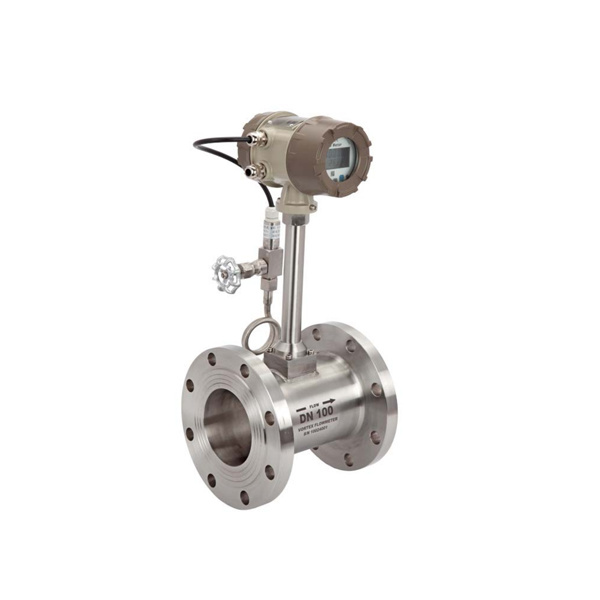
Understanding Vorex Flow Meters: A Comprehensive Guide to Flow Measurement
2026-09-03
Flow measurement is an essential aspect of various industries, from water treatment to chemical manufacturing and beyond. One device that stands out in this field is the Vorex flow meter. These instruments are designed to accurately gauge the flow rate of liquids and gases, ensuring that processes operate smoothly and efficiently.
A Vorex flow meter typically operates on the principle of measuring

How Acrylic Flow Meters Enhance Efficiency in Fluid Dynamics
2026-08-27
How Acrylic Flow Meters Enhance Efficiency in Fluid Dynamics
Table of Contents
1. Introduction to Acrylic Flow Meters
2. Understanding Fluid Dynamics
3. The Importance of Accurate Flow Measurement
4. Benefits of Acrylic Flow Meters
5. Applications of Acrylic Flow Meters in Various Industries
6. How Acrylic Flow Meters Work
7. Choosing the Right Acrylic Flow Meter
8

Understanding Durable Plastic Tube Type Flowmeters: A Comprehensive Guide
2026-08-20
Durable plastic tube type flowmeters are essential instruments in the measurement of fluid dynamics, prominently used in various industries including chemical processing, water treatment, and food production. These flowmeters are designed to provide accurate flow measurement while ensuring durability and reliability in diverse applications.
One of the primary advantages of durable plastic tube ty

CREATEC will be there where there is water
Focus on the independent research and development of online water quality analysis instruments and water environmental protection analysis instruments
ABOUT US
Hebei Create Instrumentation Technologies Co., Ltd. is a national high-tech technology enterprise which is specialized in the water quality online analysis instruments.The founder Hao shuanju was first awarded the national “Automatic Pure Water Monitor” patent in 1988.And entered into the field of water quality online analysis and research.
CONTACT US
Factory :NO.2 Building ,No.368 North Xinshi Road, Shijiazhuang 050091,Hebei Province,China.
Office Address: Block 23, Keying·Zhichuang Valley, Huai'an West Road, Luquan District, Shijiazhuang City
Tel: 86-311-83831058 / 67368592
E-Mail:meter@createc.cn
QUALITY OF SERVICE

Follow us
Learn more about online water quality analysis instruments