
Enhancing Water Resource Conservation through Electromagnetic Flow Meter Innovation
2026-01-15
Enhancing Water Resource Conservation through Electromagnetic Flow Meter Innovation
Understanding Electromagnetic Flow Meters and Their Role in Water Conservation
Water conservation is becoming increasingly critical as global water scarcity intensifies. One innovative technology that has emerged to support this effort is the electromagnetic flow meter. This article explores how these devices fun
Enhancing Water Resource Conservation through Electromagnetic Flow Meter Innovation
Understanding Electromagnetic Flow Meters and Their Role in Water Conservation
Water conservation is becoming increasingly critical as global water scarcity intensifies. One innovative technology that has emerged to support this effort is the electromagnetic flow meter. This article explores how these devices function, their benefits, and their essential role in enhancing water resource management.
What is an Electromagnetic Flow Meter?
An electromagnetic flow meter (EMF) is a device used to measure the flow rate of conductive liquids. Unlike traditional flow measurement technologies, EMFs operate on the principle of Faraday’s law of electromagnetic induction. This allows them to provide accurate flow measurements without any moving parts, making them particularly suitable for various applications, including water supply systems, wastewater management, and industrial processes.
How Do Electromagnetic Flow Meters Work?
Electromagnetic flow meters consist of several key components, including electrodes, a magnetic coil, and a flow tube. When a conductive fluid flows through the tube, it generates a voltage proportional to the flow rate. This voltage is measured by the electrodes and then transmitted to a flow meter display or control system. The absence of moving parts leads to lower maintenance requirements, increasing the device's longevity and reliability.
The Significance of Water Resource Conservation
With climate change and population growth exerting pressure on water resources, conserving water becomes imperative. Effective water management is essential not only for environmental sustainability but also for agricultural practices, public health, and economic development. Understanding the role of technology, such as electromagnetic flow meters, in this context is crucial for creating efficient water management strategies.
Benefits of Electromagnetic Flow Meters in Water Conservation
The implementation of electromagnetic flow meters in water conservation efforts offers numerous advantages:
1. High Accuracy
Electromagnetic flow meters are known for their high accuracy in measuring flow rates, even under challenging conditions. This precision ensures that water resources are managed more effectively, minimizing waste and optimizing usage.
2. Low Maintenance Requirements
The absence of moving parts significantly reduces the wear and tear associated with traditional flow meters. As a result, electromagnetic flow meters require less frequent maintenance, leading to lower operational costs and downtime.
3. Versatility in Application
Electromagnetic flow meters can be used in various applications, from municipal water supply monitoring to industrial wastewater treatment. Their adaptability makes them a valuable tool in a wide range of settings.
4. Real-Time Data Monitoring
These devices can provide real-time flow data, enabling utilities and industries to make informed decisions regarding water management. This immediate feedback is vital for detecting leaks and inefficiencies in water distribution systems.
5. Integration with Smart Technologies
Many modern electromagnetic flow meters can connect with smart water management systems, facilitating data analysis and reporting. This integration enhances decision-making processes and can lead to more sustainable water usage patterns.
Case Studies: Electromagnetic Flow Meters in Action
Examining real-world applications of electromagnetic flow meters can provide insights into their effectiveness in promoting water conservation.
Urban Water Management
In urban areas, managing water supply and demand is crucial. A city in California implemented electromagnetic flow meters throughout its water distribution network to monitor flow rates and detect leaks. The real-time data allowed the municipality to respond quickly to issues, reducing water loss by 30% within a year.
Agricultural Water Savings
In agricultural settings, efficient water use is essential for sustainability. A farming cooperative in Texas adopted electromagnetic flow meters to monitor irrigation systems. By analyzing flow data, farmers adjusted irrigation schedules, resulting in a 20% reduction in water usage while maintaining crop yields.
Industrial Water Efficiency
An industrial facility in Germany installed electromagnetic flow meters to monitor its water consumption in production processes. The detailed flow data prompted the company to identify inefficiencies, leading to the implementation of conservation strategies that cut water usage by 15%.
Challenges and Considerations in Implementing Electromagnetic Flow Meters
While electromagnetic flow meters offer significant benefits, certain challenges must be addressed for successful implementation.
Installation Requirements
Proper installation is critical for accuracy. Electromagnetic flow meters require a minimum straight pipe length upstream and downstream to ensure optimal performance. Additionally, the fluid must be conductive, limiting their use in some applications.
Calibration Needs
Regular calibration is essential to maintain the accuracy of flow measurements. While electromagnetic flow meters are generally low-maintenance, facilities must be diligent about calibration schedules to ensure ongoing reliability.
Initial Cost Investment
The initial cost of electromagnetic flow meters can be higher than traditional flow measurement technologies. However, the long-term savings in maintenance, operational efficiency, and water conservation can offset this investment over time.
Future Trends in Electromagnetic Flow Meter Technology
As technology advances, so too do electromagnetic flow meters. Several trends are shaping the future of these devices and their applications in water resource conservation.
Smart Metering Solutions
The rise of IoT (Internet of Things) has led to the integration of smart technologies in electromagnetic flow meters. These smart meters can transmit data wirelessly, allowing for remote monitoring and analysis.
Enhanced Data Analytics
With advancements in data analytics, flow meters are becoming more capable of providing insights into water usage patterns. These insights can help utilities optimize water distribution and identify areas for improvement.
Environmental Sustainability Features
Manufacturers are increasingly focusing on creating environmentally sustainable flow meters. This includes utilizing eco-friendly materials and designs that minimize environmental impact throughout the product lifecycle.
Frequently Asked Questions (FAQs)
1. What is the main advantage of electromagnetic flow meters over traditional flow meters?
Electromagnetic flow meters provide higher accuracy and require less maintenance due to their lack of moving parts.
2. Are electromagnetic flow meters suitable for all types of fluids?
These meters are designed for conductive fluids, making them unsuitable for non-conductive liquids like oil or gas.
3. How often should electromagnetic flow meters be calibrated?
Calibration frequency can vary, but it is generally recommended to calibrate at least once a year or whenever significant changes occur in the system.
4. Can electromagnetic flow meters be used in wastewater applications?
Yes, they are widely used in wastewater treatment facilities due to their ability to handle various fluid conditions.
5. What are the typical costs associated with electromagnetic flow meters?
Costs can vary significantly based on the type and specifications of the meter, but they typically range from several hundred to several thousand dollars.
Conclusion
Innovations in electromagnetic flow meter technology play a pivotal role in enhancing water resource conservation. By providing accurate measurements, reducing maintenance needs, and facilitating real-time data monitoring, these devices are essential for sustainable water management practices. As we face increasing water scarcity challenges, leveraging such technologies will be crucial in promoting efficient water use and conservation efforts across various sectors. Embracing these innovations not only contributes to environmental sustainability but also supports economic growth and public health, making it a vital aspect of our future.
Insert Electromagnetic Flow Meter
RELATED NEWS
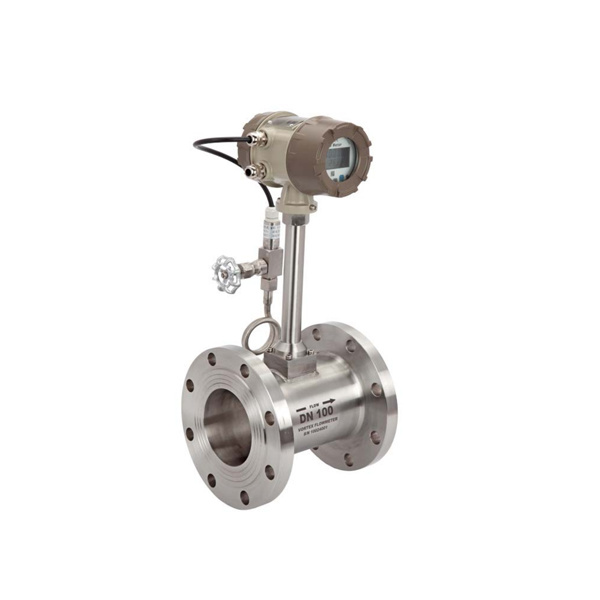
Understanding Vorex Flow Meters: A Comprehensive Guide to Flow Measurement
2026-09-03
Flow measurement is an essential aspect of various industries, from water treatment to chemical manufacturing and beyond. One device that stands out in this field is the Vorex flow meter. These instruments are designed to accurately gauge the flow rate of liquids and gases, ensuring that processes operate smoothly and efficiently.
A Vorex flow meter typically operates on the principle of measuring

How Acrylic Flow Meters Enhance Efficiency in Fluid Dynamics
2026-08-27
How Acrylic Flow Meters Enhance Efficiency in Fluid Dynamics
Table of Contents
1. Introduction to Acrylic Flow Meters
2. Understanding Fluid Dynamics
3. The Importance of Accurate Flow Measurement
4. Benefits of Acrylic Flow Meters
5. Applications of Acrylic Flow Meters in Various Industries
6. How Acrylic Flow Meters Work
7. Choosing the Right Acrylic Flow Meter
8

Understanding Durable Plastic Tube Type Flowmeters: A Comprehensive Guide
2026-08-20
Durable plastic tube type flowmeters are essential instruments in the measurement of fluid dynamics, prominently used in various industries including chemical processing, water treatment, and food production. These flowmeters are designed to provide accurate flow measurement while ensuring durability and reliability in diverse applications.
One of the primary advantages of durable plastic tube ty

CREATEC will be there where there is water
Focus on the independent research and development of online water quality analysis instruments and water environmental protection analysis instruments
ABOUT US
Hebei Create Instrumentation Technologies Co., Ltd. is a national high-tech technology enterprise which is specialized in the water quality online analysis instruments.The founder Hao shuanju was first awarded the national “Automatic Pure Water Monitor” patent in 1988.And entered into the field of water quality online analysis and research.
CONTACT US
Factory :NO.2 Building ,No.368 North Xinshi Road, Shijiazhuang 050091,Hebei Province,China.
Office Address: Block 23, Keying·Zhichuang Valley, Huai'an West Road, Luquan District, Shijiazhuang City
Tel: 86-311-83831058 / 67368592
E-Mail:meter@createc.cn
QUALITY OF SERVICE

Follow us
Learn more about online water quality analysis instruments