
Understanding High Turbidity Data Acquisition Terminals in Water Quality Analysis
2025-02-20
High turbidity is a critical parameter in assessing water quality, particularly in applications related to the pharmaceutical and healthcare industries. High turbidity data acquisition terminals play a significant role in monitoring and analyzing water quality, as they are designed to handle the complexities associated with measuring turbidity levels effectively. These terminals utilize advanced s
High turbidity is a critical parameter in assessing water quality, particularly in applications related to the pharmaceutical and healthcare industries. High turbidity data acquisition terminals play a significant role in monitoring and analyzing water quality, as they are designed to handle the complexities associated with measuring turbidity levels effectively. These terminals utilize advanced sensors and algorithms to obtain accurate turbidity readings, allowing for real-time monitoring and data acquisition.
One of the primary functions of high turbidity data acquisition terminals is to ensure that water used in pharmaceutical processes meets stringent quality standards. Turbidity can indicate the presence of suspended solids, bacteria, and other contaminants that could compromise product safety and efficacy. By employing these terminals, organizations can continuously monitor water quality and identify potential issues before they escalate, thereby safeguarding public health and ensuring compliance with regulatory requirements.
In addition to their monitoring capabilities, high turbidity data acquisition terminals often feature data logging and analysis functions. They can store historical data, which is essential for tracking changes in water quality over time. This functionality is particularly beneficial for laboratories and facilities that need to maintain records for compliance audits or quality assurance programs. Furthermore, many terminals offer connectivity options, enabling seamless integration with laboratory information management systems (LIMS) and other data analysis tools.
The technology behind high turbidity data acquisition terminals has advanced considerably, with many models now incorporating digital signal processing and machine learning techniques. These innovations enhance the accuracy and reliability of turbidity measurements, even in challenging environments. Additionally, some terminals are equipped with self-calibration capabilities, reducing the need for manual adjustments and ensuring consistent performance.
Choosing the right high turbidity data acquisition terminal involves considering factors such as measurement range, sensitivity, and ease of use. Professionals in the pharmaceutical and healthcare industries should prioritize terminals that provide user-friendly interfaces, robust data security features, and support for multiple measurement parameters. The ability to customize settings according to specific requirements can further enhance the effectiveness of water quality monitoring efforts.
In conclusion, high turbidity data acquisition terminals are indispensable tools for ensuring water quality in the pharmaceutical and healthcare sectors. Their ability to deliver accurate, real-time data allows organizations to maintain safety standards and regulatory compliance while enhancing operational efficiency. As technology continues to evolve, these terminals will become even more integral to water quality management practices, helping to protect public health and improve overall quality assurance processes.
One of the primary functions of high turbidity data acquisition terminals is to ensure that water used in pharmaceutical processes meets stringent quality standards. Turbidity can indicate the presence of suspended solids, bacteria, and other contaminants that could compromise product safety and efficacy. By employing these terminals, organizations can continuously monitor water quality and identify potential issues before they escalate, thereby safeguarding public health and ensuring compliance with regulatory requirements.
In addition to their monitoring capabilities, high turbidity data acquisition terminals often feature data logging and analysis functions. They can store historical data, which is essential for tracking changes in water quality over time. This functionality is particularly beneficial for laboratories and facilities that need to maintain records for compliance audits or quality assurance programs. Furthermore, many terminals offer connectivity options, enabling seamless integration with laboratory information management systems (LIMS) and other data analysis tools.
The technology behind high turbidity data acquisition terminals has advanced considerably, with many models now incorporating digital signal processing and machine learning techniques. These innovations enhance the accuracy and reliability of turbidity measurements, even in challenging environments. Additionally, some terminals are equipped with self-calibration capabilities, reducing the need for manual adjustments and ensuring consistent performance.
Choosing the right high turbidity data acquisition terminal involves considering factors such as measurement range, sensitivity, and ease of use. Professionals in the pharmaceutical and healthcare industries should prioritize terminals that provide user-friendly interfaces, robust data security features, and support for multiple measurement parameters. The ability to customize settings according to specific requirements can further enhance the effectiveness of water quality monitoring efforts.
In conclusion, high turbidity data acquisition terminals are indispensable tools for ensuring water quality in the pharmaceutical and healthcare sectors. Their ability to deliver accurate, real-time data allows organizations to maintain safety standards and regulatory compliance while enhancing operational efficiency. As technology continues to evolve, these terminals will become even more integral to water quality management practices, helping to protect public health and improve overall quality assurance processes.
High Turbidity Data Acquisition Terminal
RELATED NEWS
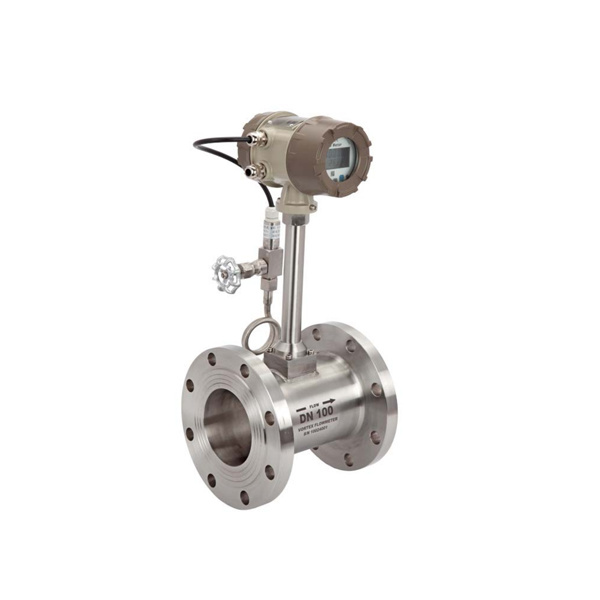
Understanding Vorex Flow Meters: A Comprehensive Guide to Flow Measurement
2026-09-03
Flow measurement is an essential aspect of various industries, from water treatment to chemical manufacturing and beyond. One device that stands out in this field is the Vorex flow meter. These instruments are designed to accurately gauge the flow rate of liquids and gases, ensuring that processes operate smoothly and efficiently.
A Vorex flow meter typically operates on the principle of measuring

How Acrylic Flow Meters Enhance Efficiency in Fluid Dynamics
2026-08-27
How Acrylic Flow Meters Enhance Efficiency in Fluid Dynamics
Table of Contents
1. Introduction to Acrylic Flow Meters
2. Understanding Fluid Dynamics
3. The Importance of Accurate Flow Measurement
4. Benefits of Acrylic Flow Meters
5. Applications of Acrylic Flow Meters in Various Industries
6. How Acrylic Flow Meters Work
7. Choosing the Right Acrylic Flow Meter
8

Understanding Durable Plastic Tube Type Flowmeters: A Comprehensive Guide
2026-08-20
Durable plastic tube type flowmeters are essential instruments in the measurement of fluid dynamics, prominently used in various industries including chemical processing, water treatment, and food production. These flowmeters are designed to provide accurate flow measurement while ensuring durability and reliability in diverse applications.
One of the primary advantages of durable plastic tube ty

CREATEC will be there where there is water
Focus on the independent research and development of online water quality analysis instruments and water environmental protection analysis instruments
ABOUT US
Hebei Create Instrumentation Technologies Co., Ltd. is a national high-tech technology enterprise which is specialized in the water quality online analysis instruments.The founder Hao shuanju was first awarded the national “Automatic Pure Water Monitor” patent in 1988.And entered into the field of water quality online analysis and research.
CONTACT US
Factory :NO.2 Building ,No.368 North Xinshi Road, Shijiazhuang 050091,Hebei Province,China.
Office Address: Block 23, Keying·Zhichuang Valley, Huai'an West Road, Luquan District, Shijiazhuang City
Tel: 86-311-83831058 / 67368592
E-Mail:meter@createc.cn
QUALITY OF SERVICE

Follow us
Learn more about online water quality analysis instruments