
Revolutionizing Water Quality Testing: A Comprehensive Guide to Digital Multi-parameter Integration Sensors
2025-02-13
Revolutionizing Water Quality Testing: Digital Multi-parameter Integration Sensors Explained
Table of Contents
1. Introduction to Water Quality Testing
2. The Importance of Water Quality in Public Health
3. Traditional Water Quality Testing Methods
3.1 Limitations of Conventional Techniques
4. What are Digital Multi-parameter Integration Sensors?
4.1 Key Features of Digital Sensors
4.2 How They Wo
Revolutionizing Water Quality Testing: Digital Multi-parameter Integration Sensors Explained
Table of Contents
1. Introduction to Water Quality Testing
2. The Importance of Water Quality in Public Health
3. Traditional Water Quality Testing Methods
3.1 Limitations of Conventional Techniques
4. What are Digital Multi-parameter Integration Sensors?
4.1 Key Features of Digital Sensors
4.2 How They Work
5. Benefits of Digital Multi-parameter Integration Sensors
5.1 Real-time Data Monitoring
5.2 Increased Accuracy and Reliability
5.3 Enhanced User Experience and Accessibility
6. Applications of Digital Multi-parameter Integration Sensors
6.1 Industrial Use Cases
6.2 Environmental Monitoring
6.3 Regulatory Compliance
7. Future Trends in Water Quality Testing Technologies
8. Frequently Asked Questions (FAQs)
9. Conclusion
1. Introduction to Water Quality Testing
In an age where public health and environmental sustainability are paramount, **water quality testing** serves as a critical facet of ensuring safe drinking water and maintaining ecological balance. The quest for effective water quality management has led to the innovation of various testing technologies, among which **digital multi-parameter integration sensors** stand out as a revolutionary advancement.
2. The Importance of Water Quality in Public Health
Water quality significantly impacts **public health** and ecological systems. Contaminated water can lead to a myriad of health problems, including gastrointestinal illnesses, reproductive issues, and neurological disorders. By monitoring water quality, we can effectively mitigate these risks and promote a healthier environment.
3. Traditional Water Quality Testing Methods
Despite advancements in technology, many regions still rely on traditional water quality testing methods, which often include **manual sampling** and **laboratory analysis**.
3.1 Limitations of Conventional Techniques
Traditional methods, while effective, are not without their limitations. They often involve lengthy processes that require time and significant human resources, leading to delays in identifying contamination. Moreover, the precision of these methods can be compromised by human error or outdated practices.
4. What are Digital Multi-parameter Integration Sensors?
Digital multi-parameter integration sensors represent a **quantum leap** in water quality monitoring. These devices can measure multiple water quality parameters simultaneously, providing a comprehensive view of water conditions in real-time.
4.1 Key Features of Digital Sensors
These sensors integrate advanced technologies such as **microprocessors**, **wireless communication**, and sophisticated algorithms to deliver real-time data. Key features include:
- **Multi-parameter Measurement**: Ability to detect several variables like pH, turbidity, temperature, and dissolved oxygen in one device.
- **User-Friendly Interface**: Most sensors come with intuitive displays and user-friendly software for easy data interpretation.
- **Wireless Connectivity**: Many models feature Bluetooth or Wi-Fi connectivity for seamless data transfer.
4.2 How They Work
Digital sensors employ various techniques to measure water quality parameters. For instance, they may utilize **electrochemical sensors** for pH and dissolved oxygen measurements, while **optical sensors** can assess turbidity and color. Data collected by these sensors is processed and transmitted to central monitoring systems, allowing for instantaneous analysis and reporting.
5. Benefits of Digital Multi-parameter Integration Sensors
The adoption of digital multi-parameter integration sensors brings forth numerous benefits that enhance water quality testing.
5.1 Real-time Data Monitoring
One of the standout advantages is the **real-time monitoring** capability. These sensors continuously collect and transmit data, allowing for immediate detection of anomalies in water quality.
5.2 Increased Accuracy and Reliability
Digital sensors offer higher accuracy compared to traditional methods, reducing the likelihood of false positives or negatives. This reliability is crucial for compliance with **regulatory standards** and for ensuring public safety.
5.3 Enhanced User Experience and Accessibility
Many modern sensors are designed with user experience in mind. They often feature mobile applications that allow users to access data remotely, making it easier for municipalities and organizations to monitor water quality without being physically present.
6. Applications of Digital Multi-parameter Integration Sensors
The versatility of digital multi-parameter integration sensors allows their application across various fields.
6.1 Industrial Use Cases
In industrial settings, these sensors are essential for monitoring wastewater treatment processes, ensuring compliance with environmental regulations, and maintaining operational efficiency.
6.2 Environmental Monitoring
Environmental agencies utilize these sensors for monitoring rivers, lakes, and other water bodies, thus safeguarding ecosystems and wildlife.
6.3 Regulatory Compliance
Accurate water quality data is fundamental for industries that must adhere to strict regulations. Digital sensors facilitate regular testing and compliance reporting, thus avoiding potential legal and financial penalties.
7. Future Trends in Water Quality Testing Technologies
As technology continues to evolve, we can expect significant advancements in water quality testing. Features such as **artificial intelligence** (AI) and **machine learning** will augment sensor capabilities, enabling predictive analytics and improved decision-making processes.
8. Frequently Asked Questions (FAQs)
What parameters can digital multi-parameter integration sensors measure?
These sensors can measure a variety of parameters, including pH, turbidity, conductivity, dissolved oxygen, and temperature.
How do digital sensors compare to traditional water testing methods?
Digital sensors provide real-time data, greater accuracy, and the ability to measure multiple parameters simultaneously, which traditional methods cannot match.
Are digital sensors suitable for personal use?
Yes, many digital multi-parameter integration sensors are available for home use, particularly for aquariums and home water treatment systems.
What industries can benefit from digital multi-parameter integration sensors?
Industries such as manufacturing, agriculture, environmental protection, and municipal water management can greatly benefit from these sensors.
How often should water quality be tested using digital sensors?
The frequency of testing depends on the application; however, continuous monitoring is often recommended for critical systems.
9. Conclusion
Digital multi-parameter integration sensors are transforming the landscape of water quality testing. By offering real-time data, enhanced accuracy, and ease of use, they empower industries and environmental agencies to ensure clean and safe water. As technology advances, we anticipate even further innovations that will continue to revolutionize how we monitor and manage our precious water resources. Adopting these technologies is not just a forward-thinking step; it is a necessary commitment to public health and environmental sustainability.
Digital Multi-parameter integration sensor
RELATED NEWS
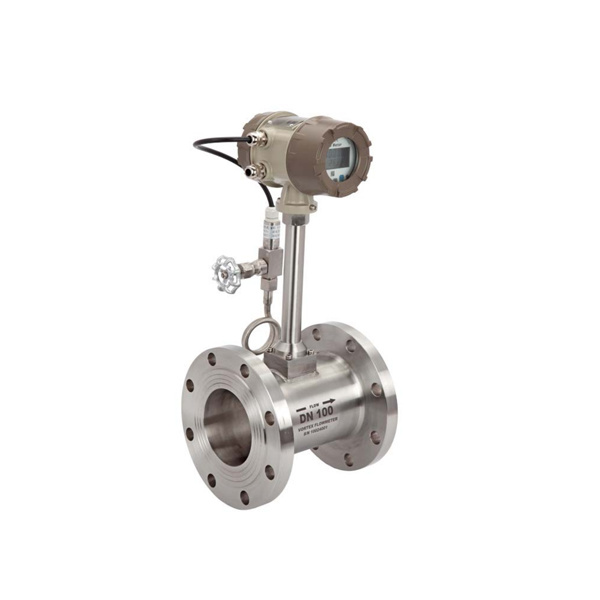
Understanding Vorex Flow Meters: A Comprehensive Guide to Flow Measurement
2026-09-03
Flow measurement is an essential aspect of various industries, from water treatment to chemical manufacturing and beyond. One device that stands out in this field is the Vorex flow meter. These instruments are designed to accurately gauge the flow rate of liquids and gases, ensuring that processes operate smoothly and efficiently.
A Vorex flow meter typically operates on the principle of measuring

How Acrylic Flow Meters Enhance Efficiency in Fluid Dynamics
2026-08-27
How Acrylic Flow Meters Enhance Efficiency in Fluid Dynamics
Table of Contents
1. Introduction to Acrylic Flow Meters
2. Understanding Fluid Dynamics
3. The Importance of Accurate Flow Measurement
4. Benefits of Acrylic Flow Meters
5. Applications of Acrylic Flow Meters in Various Industries
6. How Acrylic Flow Meters Work
7. Choosing the Right Acrylic Flow Meter
8

Understanding Durable Plastic Tube Type Flowmeters: A Comprehensive Guide
2026-08-20
Durable plastic tube type flowmeters are essential instruments in the measurement of fluid dynamics, prominently used in various industries including chemical processing, water treatment, and food production. These flowmeters are designed to provide accurate flow measurement while ensuring durability and reliability in diverse applications.
One of the primary advantages of durable plastic tube ty

CREATEC will be there where there is water
Focus on the independent research and development of online water quality analysis instruments and water environmental protection analysis instruments
ABOUT US
Hebei Create Instrumentation Technologies Co., Ltd. is a national high-tech technology enterprise which is specialized in the water quality online analysis instruments.The founder Hao shuanju was first awarded the national “Automatic Pure Water Monitor” patent in 1988.And entered into the field of water quality online analysis and research.
CONTACT US
Factory :NO.2 Building ,No.368 North Xinshi Road, Shijiazhuang 050091,Hebei Province,China.
Office Address: Block 23, Keying·Zhichuang Valley, Huai'an West Road, Luquan District, Shijiazhuang City
Tel: 86-311-83831058 / 67368592
E-Mail:meter@createc.cn
QUALITY OF SERVICE

Follow us
Learn more about online water quality analysis instruments