
Digital Sensors: Revolutionizing Water Quality Control Practices for a Sustainable Future
2025-02-27
Digital Sensors: Revolutionizing Water Quality Control Practices for a Sustainable Future
Table of Contents
1. Introduction to Water Quality Monitoring
2. Understanding Digital Sensors
3. Key Benefits of Digital Sensors in Water Quality Control
3.1 Enhanced Accuracy and Precision
3.2 Real-time Monitoring and Data Collection
3.3 Cost-Effectiveness and Efficiency
4. Applications of Digital Sensors i
Digital Sensors: Revolutionizing Water Quality Control Practices for a Sustainable Future
Table of Contents
1. Introduction to Water Quality Monitoring
2. Understanding Digital Sensors
3. Key Benefits of Digital Sensors in Water Quality Control
3.1 Enhanced Accuracy and Precision
3.2 Real-time Monitoring and Data Collection
3.3 Cost-Effectiveness and Efficiency
4. Applications of Digital Sensors in Water Quality Control
4.1 Industrial Water Treatment
4.2 Environmental Monitoring
4.3 Municipal Water Supply Management
4.4 Agricultural Water Management
5. Challenges and Limitations of Digital Sensors
6. Future Trends in Water Quality Monitoring Technology
7. Conclusion: The Future of Water Quality Management
8. FAQs about Digital Sensors in Water Quality Control
1. Introduction to Water Quality Monitoring
Water quality is a critical aspect of environmental health, impacting ecosystems, human health, and economic sustainability. The need for effective monitoring systems has never been greater. As we confront challenges like pollution, climate change, and population growth, robust solutions are essential. Digital sensors represent a transformative technology, enabling more effective water quality control practices.
2. Understanding Digital Sensors
Digital sensors are advanced devices that convert physical parameters into digital signals, making them crucial for accurate data collection. In the context of water quality monitoring, these sensors can measure various parameters, including pH levels, turbidity, dissolved oxygen, and specific contaminants.
These sensors utilize cutting-edge technologies, such as electrochemical, optical, and spectrometric methods, to deliver precise readings. The integration of digital sensors into water quality management systems supports real-time monitoring, which is critical for timely decision-making.
3. Key Benefits of Digital Sensors in Water Quality Control
3.1 Enhanced Accuracy and Precision
Digital sensors offer superior accuracy compared to traditional monitoring methods. The ability to provide precise measurements reduces the margin for error, ensuring that any necessary interventions can be made promptly. This accuracy is vital for regulatory compliance and maintaining public health standards.
3.2 Real-time Monitoring and Data Collection
One of the standout features of digital sensors is their capability for real-time monitoring. Continuous data collection allows stakeholders to track changes in water quality instantaneously. This real-time data can be critical for identifying contamination events, enabling rapid responses to prevent adverse outcomes.
3.3 Cost-Effectiveness and Efficiency
While the initial investment in digital sensor technology may be significant, the long-term savings typically outweigh these costs. Enhanced efficiency means less manual monitoring and reduced labor costs. Furthermore, the automation of data collection minimizes human error and enhances the reliability of monitoring systems.
4. Applications of Digital Sensors in Water Quality Control
4.1 Industrial Water Treatment
Industries that rely on water processes, such as manufacturing and energy production, can greatly benefit from digital sensors. These sensors help monitor water quality for reuse and discharge, ensuring compliance with environmental regulations. By maintaining water quality standards, industries can minimize their environmental footprint while optimizing production processes.
4.2 Environmental Monitoring
Digital sensors play a pivotal role in environmental monitoring programs. By continuously analyzing water bodies, these sensors can detect changes in quality due to natural or anthropogenic factors, such as runoff or industrial discharges. This information is vital for conservation efforts and for maintaining healthy aquatic ecosystems.
4.3 Municipal Water Supply Management
Municipalities are increasingly adopting digital sensor technologies to monitor drinking water quality. By ensuring that water treatment processes are effective and continuously monitored, cities can safeguard public health. Digital sensors help detect contaminants early, preventing harmful substances from entering public water supplies.
4.4 Agricultural Water Management
In agriculture, digital sensors are revolutionizing irrigation practices. By monitoring soil moisture and water quality, farmers can make data-driven decisions that optimize water use while ensuring crop health. This technology can lead to more sustainable farming practices, conserving water resources and improving yields.
5. Challenges and Limitations of Digital Sensors
Despite their advantages, digital sensors are not without limitations. Factors such as sensor calibration, maintenance, and environmental conditions can affect performance. Additionally, the initial costs and technical expertise required for installation and data interpretation can be barriers to widespread adoption. Addressing these challenges is crucial for maximizing the benefits of digital sensors in water quality management.
6. Future Trends in Water Quality Monitoring Technology
The future of water quality monitoring is promising, with advancements in sensor technology on the horizon. Emerging trends include the integration of artificial intelligence and machine learning algorithms to enhance data analysis capabilities. These technologies will enable better predictive analytics, helping stakeholders anticipate potential water quality issues before they arise.
Furthermore, the growing trend of IoT (Internet of Things) integration in water quality monitoring will facilitate seamless communication between devices, leading to more comprehensive data collection and analysis. Smart water management systems will become increasingly prevalent, enhancing both efficiency and efficacy.
7. Conclusion: The Future of Water Quality Management
Digital sensors are undoubtedly transforming water quality control practices, paving the way for more effective and sustainable solutions. Their ability to provide real-time data, enhance accuracy, and reduce costs makes them invaluable in various applications, from industrial processes to municipal water supply systems. As technology continues to evolve, the integration of digital sensors into water quality management will become increasingly essential for ensuring safe, clean water for communities around the globe.
8. FAQs about Digital Sensors in Water Quality Control
What are digital sensors used for in water quality management?
Digital sensors are employed to measure various water quality parameters, including pH, turbidity, and dissolved oxygen levels, facilitating real-time monitoring and data collection.
How do digital sensors improve water quality monitoring accuracy?
These sensors utilize advanced technologies, providing precise measurements and reducing the margin for error compared to traditional monitoring methods.
What industries benefit most from digital sensors?
Industries such as manufacturing, energy production, and agriculture benefit significantly from digital sensors in water treatment, environmental monitoring, and irrigation management.
Are there any limitations to using digital sensors?
Yes, limitations include the need for calibration, potential environmental impacts on sensor performance, and costs associated with installation and maintenance.
What is the future of digital sensors in water quality monitoring?
The future includes advancements in AI and IoT integration, improving data analysis capabilities and enabling smart water management systems.
Digital Laser Turbidity online analysis sensor
RELATED NEWS
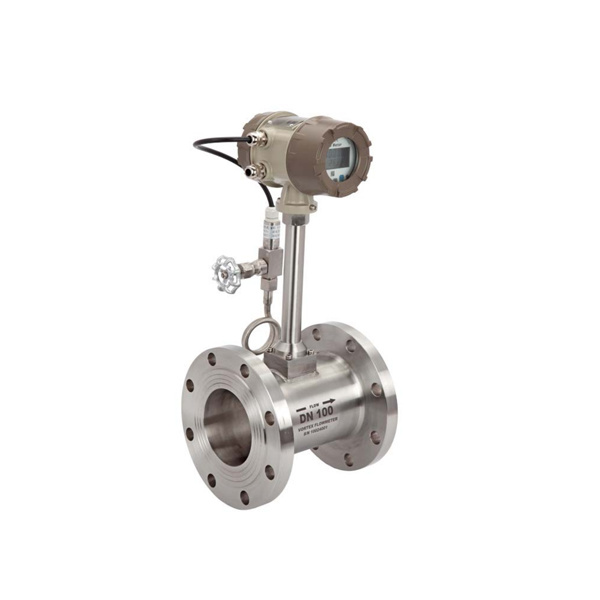
Understanding Vorex Flow Meters: A Comprehensive Guide to Flow Measurement
2026-09-03
Flow measurement is an essential aspect of various industries, from water treatment to chemical manufacturing and beyond. One device that stands out in this field is the Vorex flow meter. These instruments are designed to accurately gauge the flow rate of liquids and gases, ensuring that processes operate smoothly and efficiently.
A Vorex flow meter typically operates on the principle of measuring

How Acrylic Flow Meters Enhance Efficiency in Fluid Dynamics
2026-08-27
How Acrylic Flow Meters Enhance Efficiency in Fluid Dynamics
Table of Contents
1. Introduction to Acrylic Flow Meters
2. Understanding Fluid Dynamics
3. The Importance of Accurate Flow Measurement
4. Benefits of Acrylic Flow Meters
5. Applications of Acrylic Flow Meters in Various Industries
6. How Acrylic Flow Meters Work
7. Choosing the Right Acrylic Flow Meter
8

Understanding Durable Plastic Tube Type Flowmeters: A Comprehensive Guide
2026-08-20
Durable plastic tube type flowmeters are essential instruments in the measurement of fluid dynamics, prominently used in various industries including chemical processing, water treatment, and food production. These flowmeters are designed to provide accurate flow measurement while ensuring durability and reliability in diverse applications.
One of the primary advantages of durable plastic tube ty

CREATEC will be there where there is water
Focus on the independent research and development of online water quality analysis instruments and water environmental protection analysis instruments
ABOUT US
Hebei Create Instrumentation Technologies Co., Ltd. is a national high-tech technology enterprise which is specialized in the water quality online analysis instruments.The founder Hao shuanju was first awarded the national “Automatic Pure Water Monitor” patent in 1988.And entered into the field of water quality online analysis and research.
CONTACT US
Factory :NO.2 Building ,No.368 North Xinshi Road, Shijiazhuang 050091,Hebei Province,China.
Office Address: Block 23, Keying·Zhichuang Valley, Huai'an West Road, Luquan District, Shijiazhuang City
Tel: 86-311-83831058 / 67368592
E-Mail:meter@createc.cn
QUALITY OF SERVICE

Follow us
Learn more about online water quality analysis instruments