
Understanding High Turbidity Data Acquisition Terminals in Water Quality Analysis
2024-09-06
High turbidity data acquisition terminals play a crucial role in the analysis of water quality, especially in the pharmaceutical and healthcare industries. Turbidity refers to the cloudiness or haziness of a fluid caused by large numbers of individual particles, which can include sediment, algae, and other microorganisms. High turbidity levels can affect the safety and efficacy of pharmaceuticals
High turbidity data acquisition terminals play a crucial role in the analysis of water quality, especially in the pharmaceutical and healthcare industries. Turbidity refers to the cloudiness or haziness of a fluid caused by large numbers of individual particles, which can include sediment, algae, and other microorganisms. High turbidity levels can affect the safety and efficacy of pharmaceuticals as well as the quality of water used in healthcare facilities. Thus, effectively monitoring turbidity is essential for maintaining regulatory compliance and ensuring optimal operational standards.
High turbidity data acquisition terminals are sophisticated instruments designed to measure and record turbidity levels in water samples accurately. These devices utilize various technologies such as optical sensors and laser diffraction to assess particle concentrations. One of the primary advantages of these terminals is their ability to provide real-time data, allowing immediate analysis and response to fluctuations in water quality. This responsiveness is vital in medical settings where water purity is non-negotiable.
Incorporating a high turbidity data acquisition terminal into water quality monitoring systems offers several practical benefits. Firstly, accurate turbidity measurement assists in identifying potential contamination sources early, allowing for prompt action to mitigate risks. Additionally, consistent data logging enhances trend analysis, enabling healthcare facilities to maintain a proactive approach toward water quality management. These trends can be critical for audits and compliance with health regulations, ensuring that pharmaceutical processes remain aligned with industry standards.
Furthermore, high turbidity data acquisition terminals can integrate seamlessly with other water quality monitoring systems. This interconnectivity facilitates comprehensive data analysis, providing a holistic view of water quality that encompasses not only turbidity but also parameters such as pH, temperature, and chemical contaminants. Such integration supports informed decision-making and efficient inventory management, which can lead to cost savings and operational efficiencies.
In conclusion, high turbidity data acquisition terminals are indispensable tools for monitoring water quality in the pharmaceutical and healthcare sectors. By providing accurate, real-time turbidity data, these devices help ensure compliance with health regulations and maintain the safety and efficacy of pharmaceutical applications. Investing in high-quality turbidity monitoring solutions is essential for professionals committed to upholding the highest standards of health and safety in their operations.
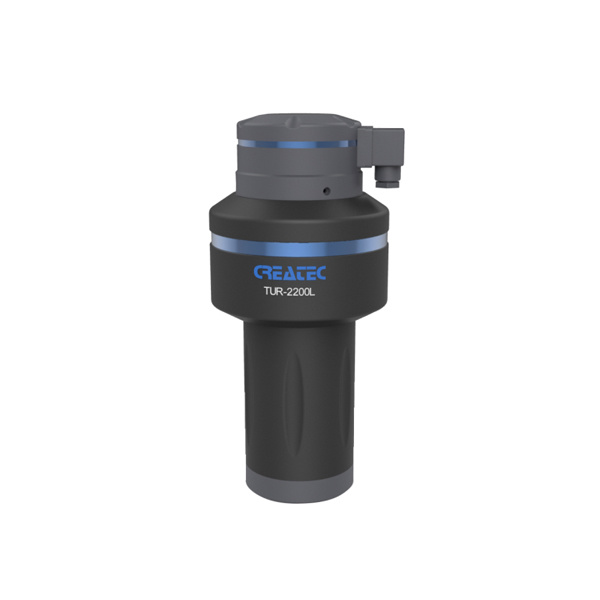
High Turbidity Data Acquisition Terminal
RELATED NEWS
The Future of Water Treatment: Harnessing the Power of Online Turbidity Sensors
2026-10-08
The Future of Water Treatment: Harnessing the Power of Online Turbidity Sensors
Table of Contents
Introduction: The Importance of Water Quality Monitoring
Understanding Turbidity: What It Is and Why It Matters
The Role of Online Turbidity Sensors in Modern Water Treatment
Technology Behind Online Turbidity Sensors: How They Work
Benefits of Using Online Turbidity Sensors in Water Treatment
Applic

Understanding High Turbidity Data Acquisition Terminals in Water Quality Analysis
2026-10-01
---
In the realm of water quality analysis, particularly in the pharmaceutical and healthcare industries, High Turbidity Data Acquisition Terminals are essential tools. These specialized devices are designed to measure and record turbidity levels in water samples, which is a crucial parameter in determining the clarity and quality of water. Turbidity, caused by suspended particles, microorganisms,

Innovative Solutions for Water Quality Control: Digital Multi-parameter Integration Sensors
2026-09-24
Innovative Solutions for Water Quality Control: Digital Multi-parameter Integration Sensors
Table of Contents
Introduction to Water Quality Control
The Importance of Water Quality Monitoring
Traditional Methods of Water Quality Analysis
The Rise of Digital Multi-parameter Sensors
Key Features of Digital Multi-parameter Integration Sensors
Applications of Digital Multi-para

CREATEC will be there where there is water
Focus on the independent research and development of online water quality analysis instruments and water environmental protection analysis instruments
ABOUT US
Hebei Create Instrumentation Technologies Co., Ltd. is a national high-tech technology enterprise which is specialized in the water quality online analysis instruments.The founder Hao shuanju was first awarded the national “Automatic Pure Water Monitor” patent in 1988.And entered into the field of water quality online analysis and research.
CONTACT US
Factory :NO.2 Building ,No.368 North Xinshi Road, Shijiazhuang 050091,Hebei Province,China.
Office Address: Block 23, Keying·Zhichuang Valley, Huai'an West Road, Luquan District, Shijiazhuang City
Tel: 86-311-83831058 / 67368592
E-Mail:meter@createc.cn
QUALITY OF SERVICE

Follow us
Learn more about online water quality analysis instruments