
The Future of Healthcare: Innovations in Digital Multi-parameter Integration Sensors
2024-08-30
The Future of Healthcare: Innovations in Digital Multi-parameter Integration Sensors
Healthcare is undergoing a transformative journey, largely driven by technological advancements. Among the most significant developments are **digital multi-parameter integration sensors**, which are changing the landscape of patient monitoring and diagnosis. This article explores the latest innovations in these s
The Future of Healthcare: Innovations in Digital Multi-parameter Integration Sensors
Healthcare is undergoing a transformative journey, largely driven by technological advancements. Among the most significant developments are **digital multi-parameter integration sensors**, which are changing the landscape of patient monitoring and diagnosis. This article explores the latest innovations in these sensors, their applications in healthcare, and the future they promise for medical practice.
Table of Contents
1. Introduction to Digital Multi-parameter Integration Sensors
2. What Are Multi-parameter Sensors?
3. The Technology Behind Multi-parameter Sensors
4. Applications of Multi-parameter Sensors in Healthcare
- 4.1 Patient Monitoring
- 4.2 Diagnostics and Disease Detection
- 4.3 Remote Patient Management
5. Advantages of Using Multi-parameter Sensors
6. Challenges and Limitations of Multi-parameter Sensors
7. The Future of Healthcare with Multi-parameter Sensors
8. Conclusion
9. FAQs
Introduction to Digital Multi-parameter Integration Sensors
In the realm of healthcare, ensuring accurate and timely patient monitoring is paramount. **Digital multi-parameter integration sensors** allow healthcare providers to track multiple health metrics simultaneously, facilitating comprehensive assessments of patient health. These sensors collect data on various parameters such as temperature, blood pressure, oxygen saturation, and more, enabling clinicians to make informed decisions swiftly.
The evolution of these sensors combines cutting-edge technology with medical expertise, leading to innovations that enhance patient care and operational efficiency.
What Are Multi-parameter Sensors?
Multi-parameter sensors are sophisticated devices designed to measure several physiological parameters at once. Unlike traditional single-parameter devices, these sensors integrate various functions into one unit. This integration significantly improves the efficiency of patient monitoring systems.
For instance, a digital multi-parameter integration sensor may monitor heart rate, blood oxygen levels, and respiratory rates, all from a single device. This capability not only streamlines the monitoring process but also reduces the risk of errors that can occur when multiple devices are used.
The Technology Behind Multi-parameter Sensors
The technology driving **multi-parameter sensors** is complex and multifaceted. It involves several components, including:
- **Microelectromechanical Systems (MEMS):** These tiny devices combine mechanical and electronic elements on a single chip, enabling precise measurements of various parameters.
- **Data Processing Units:** Advanced algorithms analyze the data collected by these sensors, converting raw data into meaningful metrics for healthcare providers.
- **Wireless Communication:** Many modern sensors utilize Bluetooth or Wi-Fi technology to transmit data to health management systems, ensuring real-time monitoring and updates.
- **User-friendly Interfaces:** The dashboards and applications designed for these sensors provide intuitive access to data, facilitating easy interpretation and decision-making by healthcare professionals.
Applications of Multi-parameter Sensors in Healthcare
Multi-parameter sensors are revolutionizing healthcare in various ways. Below are some vital applications that showcase their importance.
Patient Monitoring
Continuous patient monitoring is essential in critical care and emergency settings. Multi-parameter sensors provide real-time data, allowing for immediate intervention when a patient’s condition changes. For example, in Intensive Care Units (ICUs), these sensors help monitor vital signs continuously, alerting medical staff to any abnormalities.
Diagnostics and Disease Detection
Multi-parameter integration sensors play a critical role in diagnostics. By analyzing several parameters concurrently, these sensors can aid in early disease detection, especially in conditions like sepsis or heart failure, where rapid changes in multiple metrics can indicate a serious problem.
Remote Patient Management
The rise of telehealth has made remote patient management increasingly important. Digital multi-parameter sensors facilitate remote monitoring of patients, allowing healthcare providers to track vital signs from home. This capability is especially beneficial for chronic disease management, enabling proactive interventions and reducing hospital readmissions.
Advantages of Using Multi-parameter Sensors
The integration of multi-parameter sensors in healthcare comes with a plethora of advantages, including:
1. **Enhanced Efficiency:** By consolidating multiple monitoring functions into one device, healthcare providers can streamline workflows and reduce the time spent on manual data collection.
2. **Improved Accuracy:** Reduced human error in data collection enhances overall clinical accuracy, leading to better patient outcomes.
3. **Real-time Data Access:** Immediate access to a range of health metrics enables quicker decision-making and timely interventions.
4. **Patient Empowerment:** Patients can engage more actively in their care by accessing their health data, leading to improved adherence to treatment protocols.
5. **Cost Savings:** By minimizing the need for multiple devices and reducing hospital visits, healthcare systems can experience substantial cost savings.
Challenges and Limitations of Multi-parameter Sensors
Despite their advantages, multi-parameter sensors are not without challenges. Key limitations include:
1. **Calibration and Maintenance:** Regular calibration is essential to ensure accuracy, which can be resource-intensive.
2. **Data Overload:** The vast amounts of data collected can overwhelm healthcare providers, making it challenging to identify critical information.
3. **Integration with Existing Systems:** Ensuring compatibility with legacy healthcare systems can pose significant challenges.
4. **Regulatory Hurdles:** The medical device regulatory landscape is complex, impacting the speed of innovation and deployment.
5. **Patient Privacy Concerns:** With increasing data transmission, maintaining patient confidentiality and compliance with regulations like HIPAA is crucial.
The Future of Healthcare with Multi-parameter Sensors
As technology continues to evolve, the future of healthcare looks promising with the advancement of multi-parameter sensors. Anticipated developments include:
- **Increased Integration with AI:** Artificial intelligence will play a pivotal role in analyzing sensor data, predicting patient outcomes, and assisting in clinical decision-making.
- **Wearable Technologies:** The incorporation of multi-parameter sensors into wearable devices will allow for continuous monitoring outside clinical settings, revolutionizing preventive care.
- **Personalized Medicine:** Sensor data will enable a more tailored approach to treatment, where therapies can be adjusted based on real-time patient metrics.
- **Telehealth Expansion:** As telehealth continues to grow, multi-parameter sensors will facilitate remote monitoring and diagnosis, making healthcare more accessible.
- **Blockchain for Data Security:** The integration of blockchain technology could enhance data security and integrity, addressing patient privacy concerns.
Conclusion
In conclusion, **digital multi-parameter integration sensors** are at the forefront of healthcare innovation, continually evolving to meet the needs of patients and providers alike. These technologies enhance monitoring capabilities, facilitate early diagnostics, and empower patients in managing their health. While challenges remain, the future of healthcare powered by these sensors holds immense potential for improved patient outcomes, operational efficiencies, and a more personalized approach to medical care.
FAQs
**1. What are digital multi-parameter integration sensors?**
Digital multi-parameter integration sensors are advanced devices that can monitor multiple physiological parameters simultaneously, providing comprehensive health assessments.
**2. How do multi-parameter sensors improve patient care?**
They enhance patient care by providing real-time data, enabling quicker decision-making, and facilitating comprehensive monitoring, which leads to timely interventions.
**3. What are some common applications of these sensors in healthcare?**
Common applications include patient monitoring in critical care, diagnostics for disease detection, and remote patient management via telehealth.
**4. What challenges do multi-parameter sensors face in implementation?**
Challenges include calibration needs, data overload, integration issues with existing systems, regulatory hurdles, and patient privacy concerns.
**5. How will advancements in technology impact the future of multi-parameter sensors?**
Future advancements are expected to integrate AI and wearable technologies, expanding telehealth capabilities and enhancing personalized medicine approaches.
By continuing to innovate and address current limitations, the healthcare industry can harness the full potential of digital multi-parameter integration sensors, leading to a brighter and more efficient future in patient care.
Digital Multi-parameter integration sensor
RELATED NEWS
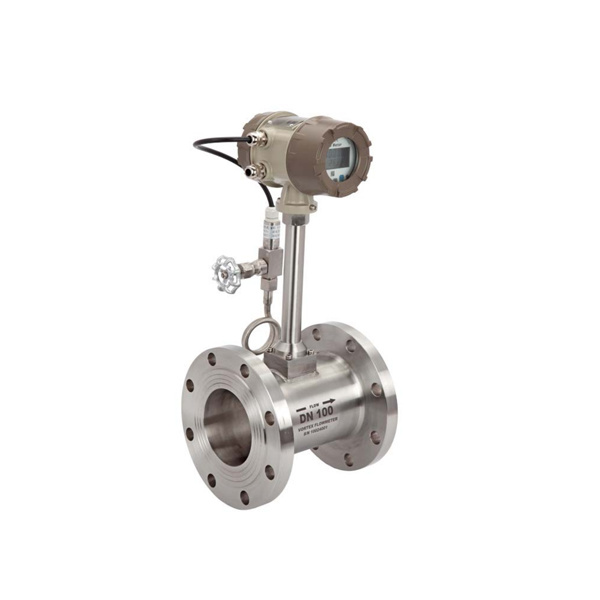
Understanding Vorex Flow Meters: A Comprehensive Guide to Flow Measurement
2026-09-03
Flow measurement is an essential aspect of various industries, from water treatment to chemical manufacturing and beyond. One device that stands out in this field is the Vorex flow meter. These instruments are designed to accurately gauge the flow rate of liquids and gases, ensuring that processes operate smoothly and efficiently.
A Vorex flow meter typically operates on the principle of measuring

How Acrylic Flow Meters Enhance Efficiency in Fluid Dynamics
2026-08-27
How Acrylic Flow Meters Enhance Efficiency in Fluid Dynamics
Table of Contents
1. Introduction to Acrylic Flow Meters
2. Understanding Fluid Dynamics
3. The Importance of Accurate Flow Measurement
4. Benefits of Acrylic Flow Meters
5. Applications of Acrylic Flow Meters in Various Industries
6. How Acrylic Flow Meters Work
7. Choosing the Right Acrylic Flow Meter
8

Understanding Durable Plastic Tube Type Flowmeters: A Comprehensive Guide
2026-08-20
Durable plastic tube type flowmeters are essential instruments in the measurement of fluid dynamics, prominently used in various industries including chemical processing, water treatment, and food production. These flowmeters are designed to provide accurate flow measurement while ensuring durability and reliability in diverse applications.
One of the primary advantages of durable plastic tube ty

CREATEC will be there where there is water
Focus on the independent research and development of online water quality analysis instruments and water environmental protection analysis instruments
ABOUT US
Hebei Create Instrumentation Technologies Co., Ltd. is a national high-tech technology enterprise which is specialized in the water quality online analysis instruments.The founder Hao shuanju was first awarded the national “Automatic Pure Water Monitor” patent in 1988.And entered into the field of water quality online analysis and research.
CONTACT US
Factory :NO.2 Building ,No.368 North Xinshi Road, Shijiazhuang 050091,Hebei Province,China.
Office Address: Block 23, Keying·Zhichuang Valley, Huai'an West Road, Luquan District, Shijiazhuang City
Tel: 86-311-83831058 / 67368592
E-Mail:meter@createc.cn
QUALITY OF SERVICE

Follow us
Learn more about online water quality analysis instruments