
Empowering Water Treatment Facilities with Laser Turbidity Analysis: A Comprehensive Guide
2024-09-13
Empowering Water Treatment Facilities with Laser Turbidity Analysis
Table of Contents
1. Understanding Turbidity and Its Importance in Water Quality
2. The Basics of Laser Turbidity Analysis
3. Advantages of Laser Turbidity Meters in Water Treatment
3.1 Enhanced Accuracy and Precision
3.2 Real-Time Monitoring Capabilities
3.3 Cost-Effectiveness and Operational Efficiency
4. Key Applications of Las
Empowering Water Treatment Facilities with Laser Turbidity Analysis
Table of Contents
1. Understanding Turbidity and Its Importance in Water Quality
2. The Basics of Laser Turbidity Analysis
3. Advantages of Laser Turbidity Meters in Water Treatment
3.1 Enhanced Accuracy and Precision
3.2 Real-Time Monitoring Capabilities
3.3 Cost-Effectiveness and Operational Efficiency
4. Key Applications of Laser Turbidity Analysis in Water Treatment Facilities
4.1 Treatment Plant Monitoring
4.2 Source Water Quality Assessment
4.3 Compliance with Environmental Regulations
5. Implementation Strategies for Laser Turbidity Meters
5.1 Selecting the Right Equipment
5.2 Training and Capacity Building
6. Challenges and Solutions in Laser Turbidity Analysis
6.1 Common Issues and Mitigations
6.2 Future Trends in Turbidity Measurement
7. Frequently Asked Questions
8. Conclusion
1. Understanding Turbidity and Its Importance in Water Quality
Turbidity refers to the cloudiness or haziness of a fluid caused by large numbers of individual particles that are generally invisible to the naked eye. In the context of water quality, turbidity is a crucial parameter indicating the presence of suspended solids, microorganisms, and pollutants. High turbidity levels can have profound implications for water treatment facilities, as they not only affect the aesthetic quality of water but also pose significant health risks. Inadequate turbidity control can lead to the proliferation of pathogens and other harmful substances, making effective turbidity monitoring a key aspect of water quality management.
2. The Basics of Laser Turbidity Analysis
Laser turbidity analysis utilizes laser technology to provide a highly accurate measurement of turbidity levels in water. Unlike traditional methods that may rely on visual inspection or indirect measurement techniques, laser turbidity meters employ laser beams to illuminate water samples. The scattered light is then measured to determine the concentration of suspended particles. This method offers numerous advantages, including improved sensitivity and the ability to detect even minute changes in turbidity, making it an essential tool for modern water treatment facilities.
3. Advantages of Laser Turbidity Meters in Water Treatment
3.1 Enhanced Accuracy and Precision
One of the most significant benefits of laser turbidity meters is their accuracy. These devices can detect turbidity levels with precision, ensuring that water treatment processes are effectively monitored and adjusted as needed. This level of accuracy is vital for maintaining compliance with regulatory standards and ensuring the delivery of high-quality water to consumers.
3.2 Real-Time Monitoring Capabilities
Laser turbidity analysis allows for continuous, real-time monitoring of water quality. This capability enables water treatment facilities to respond promptly to fluctuations in turbidity levels, which can be indicative of potential contamination or inefficiencies in the treatment process. Real-time data helps operators make informed decisions, enhancing the overall effectiveness of the treatment facility.
3.3 Cost-Effectiveness and Operational Efficiency
Investing in laser turbidity meters can lead to long-term cost savings for water treatment facilities. By ensuring optimal water quality and reducing the risk of regulatory violations, facilities can avoid costly fines and litigation. Additionally, the efficiency gained from real-time monitoring helps streamline operations, allowing staff to focus on other critical tasks.
4. Key Applications of Laser Turbidity Analysis in Water Treatment Facilities
4.1 Treatment Plant Monitoring
Laser turbidity meters play a vital role in monitoring treatment processes within water treatment plants. By providing accurate turbidity readings at various stages of treatment, operators can optimize processes such as coagulation, flocculation, and filtration to ensure the maximum removal of contaminants.
4.2 Source Water Quality Assessment
Before water enters the treatment facility, assessing its quality is essential. Laser turbidity analysis enables water treatment facilities to evaluate the turbidity of source water, allowing them to anticipate treatment needs and adjust processes accordingly. Understanding the initial turbidity levels can significantly influence treatment strategies.
4.3 Compliance with Environmental Regulations
Water quality regulations often set strict limits on turbidity levels in treated water. Utilizing laser turbidity meters ensures that water treatment facilities remain compliant with these regulations, thus protecting public health and the environment. Regular monitoring helps facilities document compliance and respond to potential violations proactively.
5. Implementation Strategies for Laser Turbidity Meters
5.1 Selecting the Right Equipment
Choosing the appropriate laser turbidity meter is crucial for successful implementation. Factors to consider include the measurement range, sensitivity, ease of use, and integration capabilities with existing monitoring systems. Facilities should conduct thorough research and consult experts to select the most suitable equipment.
5.2 Training and Capacity Building
To maximize the benefits of laser turbidity analysis, it is essential to invest in training for staff members who will operate and maintain the equipment. This training should cover both the technical aspects of the devices and best practices for interpreting data and implementing corrective measures when necessary.
6. Challenges and Solutions in Laser Turbidity Analysis
6.1 Common Issues and Mitigations
While laser turbidity analysis offers numerous advantages, some challenges may arise, such as calibration issues and interference from certain types of particles. Regular maintenance and calibration of equipment are vital to ensure accurate readings. Additionally, facilities should implement protocols to address and minimize factors that may affect measurement accuracy.
6.2 Future Trends in Turbidity Measurement
The future of turbidity measurement looks promising, with advancements in technology paving the way for even more accurate and efficient monitoring solutions. Emerging trends include the integration of artificial intelligence and machine learning to predict turbidity changes and enhance decision-making processes in water treatment facilities.
7. Frequently Asked Questions
What is the significance of turbidity in water treatment?
Turbidity is a critical indicator of water quality, affecting both health and aesthetic factors. Monitoring turbidity helps ensure the effective removal of contaminants during the treatment process.
How do laser turbidity meters work?
Laser turbidity meters use laser beams to measure the scattering of light caused by suspended particles in water. This method provides highly accurate turbidity readings.
What are the advantages of using laser turbidity analysis over traditional methods?
Laser turbidity analysis offers enhanced accuracy, real-time monitoring, and greater sensitivity compared to traditional methods, making it a superior choice for water treatment facilities.
Can laser turbidity meters be integrated with existing systems?
Yes, many modern laser turbidity meters are designed to integrate seamlessly with existing water quality monitoring systems, facilitating a streamlined approach to data collection and analysis.
What training is required for staff using laser turbidity meters?
Staff should receive training on the operation, maintenance, and data interpretation of laser turbidity meters to ensure effective monitoring and use of the technology.
8. Conclusion
In conclusion, adopting laser turbidity analysis in water treatment facilities represents a significant advancement in ensuring water quality and public safety. The precision, real-time monitoring capabilities, and cost-effectiveness of laser turbidity meters empower facilities to maintain compliance with regulatory standards while achieving operational efficiency. As technology continues to evolve, the integration of laser turbidity analysis will undoubtedly play a pivotal role in enhancing water treatment processes and safeguarding public health. Embracing this innovation today will prepare facilities for a cleaner and safer water future.
Digital Laser Turbidity online analysis sensor
RELATED NEWS
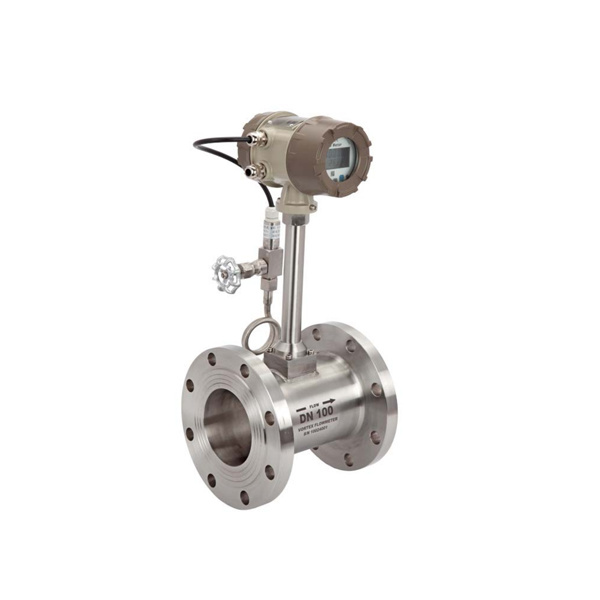
Understanding Vorex Flow Meters: A Comprehensive Guide to Flow Measurement
2026-09-03
Flow measurement is an essential aspect of various industries, from water treatment to chemical manufacturing and beyond. One device that stands out in this field is the Vorex flow meter. These instruments are designed to accurately gauge the flow rate of liquids and gases, ensuring that processes operate smoothly and efficiently.
A Vorex flow meter typically operates on the principle of measuring

How Acrylic Flow Meters Enhance Efficiency in Fluid Dynamics
2026-08-27
How Acrylic Flow Meters Enhance Efficiency in Fluid Dynamics
Table of Contents
1. Introduction to Acrylic Flow Meters
2. Understanding Fluid Dynamics
3. The Importance of Accurate Flow Measurement
4. Benefits of Acrylic Flow Meters
5. Applications of Acrylic Flow Meters in Various Industries
6. How Acrylic Flow Meters Work
7. Choosing the Right Acrylic Flow Meter
8

Understanding Durable Plastic Tube Type Flowmeters: A Comprehensive Guide
2026-08-20
Durable plastic tube type flowmeters are essential instruments in the measurement of fluid dynamics, prominently used in various industries including chemical processing, water treatment, and food production. These flowmeters are designed to provide accurate flow measurement while ensuring durability and reliability in diverse applications.
One of the primary advantages of durable plastic tube ty

CREATEC will be there where there is water
Focus on the independent research and development of online water quality analysis instruments and water environmental protection analysis instruments
ABOUT US
Hebei Create Instrumentation Technologies Co., Ltd. is a national high-tech technology enterprise which is specialized in the water quality online analysis instruments.The founder Hao shuanju was first awarded the national “Automatic Pure Water Monitor” patent in 1988.And entered into the field of water quality online analysis and research.
CONTACT US
Factory :NO.2 Building ,No.368 North Xinshi Road, Shijiazhuang 050091,Hebei Province,China.
Office Address: Block 23, Keying·Zhichuang Valley, Huai'an West Road, Luquan District, Shijiazhuang City
Tel: 86-311-83831058 / 67368592
E-Mail:meter@createc.cn
QUALITY OF SERVICE

Follow us
Learn more about online water quality analysis instruments