
Innovative Solutions for Water Quality Control: Digital Multi-parameter Integration Sensors
2026-09-24
Innovative Solutions for Water Quality Control: Digital Multi-parameter Integration Sensors
Table of Contents
Introduction to Water Quality Control
The Importance of Water Quality Monitoring
Traditional Methods of Water Quality Analysis
The Rise of Digital Multi-parameter Sensors
Key Features of Digital Multi-parameter Integration Sensors
Applications of Digital Multi-para
Innovative Solutions for Water Quality Control: Digital Multi-parameter Integration Sensors
Table of Contents
- Introduction to Water Quality Control
- The Importance of Water Quality Monitoring
- Traditional Methods of Water Quality Analysis
- The Rise of Digital Multi-parameter Sensors
- Key Features of Digital Multi-parameter Integration Sensors
- Applications of Digital Multi-parameter Sensors
- Benefits of Using Digital Multi-parameter Sensors
- Future Trends in Water Quality Monitoring Technology
- FAQs About Digital Multi-parameter Integration Sensors
- Conclusion
Introduction to Water Quality Control
Water quality control is a critical aspect of environmental management that has gained increasing attention in recent years. Given the vital role that clean water plays in human health, agriculture, and industry, implementing effective monitoring systems is essential. The advent of **digital multi-parameter integration sensors** has transformed how we approach water quality analysis, offering innovative solutions that enhance accuracy and efficiency.
The Importance of Water Quality Monitoring
Monitoring water quality is paramount for several reasons:
1. **Public Health**: Contaminated water sources can lead to severe health issues, including waterborne diseases.
2. **Environmental Protection**: Monitoring helps in assessing the impact of pollutants on aquatic ecosystems.
3. **Regulatory Compliance**: Many industries are required by law to maintain specific water quality standards.
4. **Resource Management**: Effective monitoring supports sustainable water management practices, ensuring the availability of clean water for future generations.
Understanding the importance of water quality monitoring underscores the need for innovative technologies that make this task more reliable and comprehensive.
Traditional Methods of Water Quality Analysis
Historically, water quality analysis has relied on manual sampling and laboratory testing. While effective, these traditional methods present several limitations:
1. **Time-Consuming**: Collecting samples and analyzing them in a lab can take days, delaying crucial decisions.
2. **Limited Parameters**: Many traditional methods focus on few water quality parameters, which may not provide a complete picture.
3. **Human Error**: Manual processes are prone to errors, affecting the reliability of the results.
These drawbacks highlight the pressing need for more efficient and accurate solutions in water quality monitoring.
The Rise of Digital Multi-parameter Sensors
Digital multi-parameter integration sensors represent a significant advancement in water quality monitoring technology. These devices are designed to continuously measure various water quality parameters such as pH, turbidity, dissolved oxygen, and conductivity in real-time.
The shift towards digital solutions allows for:
- **Greater Accuracy**: Digital sensors provide precise readings, reducing the risk of human error.
- **Real-Time Data**: Continuous monitoring enables immediate response to changes in water quality.
- **Ease of Use**: Many devices come with user-friendly interfaces and remote monitoring capabilities.
As industries and municipalities seek more effective water management strategies, digital multi-parameter sensors have emerged as indispensable tools.
Key Features of Digital Multi-parameter Integration Sensors
Digital multi-parameter integration sensors come equipped with several key features that enhance their functionality:
1. Multi-parameter Measurement
These sensors can measure multiple water quality indicators simultaneously, providing a comprehensive overview of water conditions without the need for multiple devices.
2. Data Logging and Remote Monitoring
Many digital sensors are equipped with data logging capabilities, allowing users to track changes over time. Remote monitoring features enable users to access data from anywhere, facilitating timely decision-making.
3. High Sensitivity and Accuracy
Digital sensors are designed with advanced technology that ensures high sensitivity and accuracy, making them reliable for various applications.
4. Easy Calibration
Calibration is straightforward, enabling users to maintain the accuracy of their sensors without extensive technical knowledge.
5. Robust Design
Most digital multi-parameter sensors are built to withstand harsh environmental conditions, ensuring durability and reliability in various settings.
Applications of Digital Multi-parameter Sensors
Digital multi-parameter integration sensors are versatile and can be applied across various sectors, including:
1. Municipal Water Treatment
Water treatment facilities use these sensors to monitor incoming water quality and ensure compliance with safety standards.
2. Industrial Processes
Industries such as food and beverage, pharmaceuticals, and chemical manufacturing utilize these sensors to maintain water quality standards in their processes.
3. Environmental Monitoring
Governments and environmental organizations deploy digital sensors to monitor the condition of rivers, lakes, and other water bodies, aiding in pollution control and conservation efforts.
4. Aquaculture
In fish farming, maintaining optimal water quality is crucial for the health of aquatic organisms, making digital sensors vital tools in aquaculture management.
5. Research and Academia
Researchers use these sensors in various studies to gather accurate data about water quality and its effects on health and the environment.
Benefits of Using Digital Multi-parameter Sensors
The adoption of digital multi-parameter sensors offers numerous advantages, including:
1. Cost-Efficiency
By reducing the need for multiple devices and extensive lab testing, these sensors can significantly lower operational costs.
2. Enhanced Decision-Making
Real-time data allows decision-makers to respond swiftly to changes in water quality, mitigating potential risks.
3. Increased Accessibility
With remote monitoring capabilities, stakeholders can access vital water quality data from anywhere, facilitating more informed decision-making.
4. Improved Compliance
Continuous monitoring helps industries and municipalities adhere to regulatory standards, reducing the risk of penalties.
5. Sustainability
By promoting efficient water management practices, these sensors contribute to long-term sustainability goals.
Future Trends in Water Quality Monitoring Technology
As technology continues to evolve, several trends are likely to shape the future of water quality monitoring:
1. Integration with IoT
The Internet of Things (IoT) will enable even more sophisticated water quality monitoring systems, allowing for seamless data collection and analysis.
2. Enhanced Data Analytics
With advancements in data analytics and artificial intelligence, users will be able to extract deeper insights from the data collected by digital sensors.
3. Greater Adoption in Emerging Markets
As awareness of water quality issues grows, there will be increased adoption of digital sensors in emerging markets, enhancing global water management efforts.
FAQs About Digital Multi-parameter Integration Sensors
1. What parameters can digital multi-parameter sensors measure?
Digital multi-parameter sensors can measure various parameters such as pH, turbidity, dissolved oxygen, conductivity, and temperature.
2. How do digital multi-parameter sensors work?
These sensors utilize advanced technology to continuously monitor water quality, providing real-time data through digital interfaces.
3. Are digital multi-parameter sensors easy to maintain?
Yes, most digital sensors are designed for easy calibration and maintenance, making them user-friendly.
4. Can these sensors be used in remote locations?
Yes, many digital multi-parameter sensors come equipped with remote monitoring capabilities, allowing users to access data from anywhere.
5. What industries benefit from digital multi-parameter sensors?
Industries such as municipal water treatment, aquaculture, food and beverage, and environmental monitoring greatly benefit from these sensors.
Conclusion
Digital multi-parameter integration sensors are revolutionizing the field of water quality control. Their ability to provide real-time, accurate data across multiple parameters enables industries, municipalities, and environmental organizations to enhance their water management practices significantly. As we continue to witness advancements in technology, the future of water quality monitoring looks promising, paving the way for a more sustainable and health-conscious world. Investing in these innovative solutions is not just a wise choice; it is a necessary step towards ensuring clean water for generations to come.
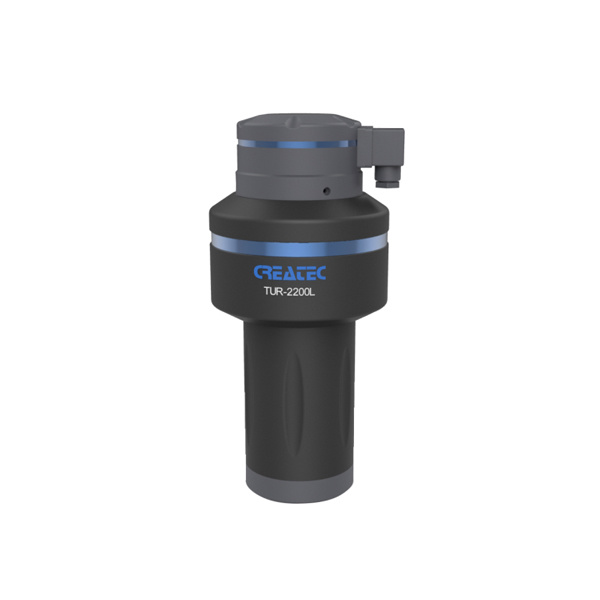
Digital Multi-parameter integration sensor
RELATED NEWS

Improving Performance: Maintenance Tips for Ultrasonic Open Channel Flow Meters
2026-10-22
Improving Performance: Maintenance Tips for Ultrasonic Open Channel Flow Meters
Table of Contents
1. Introduction to Ultrasonic Open Channel Flow Meters
2. Understanding Ultrasonic Flow Meters
3. Importance of Regular Maintenance
4. Essential Maintenance Tips
4.1 Cleaning Procedures for Sensors
4.2 Calibration Guidelines for Accuracy
4.

Understanding the Importance of Single Stage RO Controllers in Water Quality Analysis
2026-10-15
In the medical and health sector, the quality of water used in analysis and laboratory processes is paramount. Single Stage RO (Reverse Osmosis) Controllers play a crucial role in maintaining this quality by ensuring that water purification systems operate efficiently and effectively. These controllers are designed to manage the reverse osmosis process, which is essential for producing high-qualit
The Future of Water Treatment: Harnessing the Power of Online Turbidity Sensors
2026-10-08
The Future of Water Treatment: Harnessing the Power of Online Turbidity Sensors
Table of Contents
Introduction: The Importance of Water Quality Monitoring
Understanding Turbidity: What It Is and Why It Matters
The Role of Online Turbidity Sensors in Modern Water Treatment
Technology Behind Online Turbidity Sensors: How They Work
Benefits of Using Online Turbidity Sensors in Water Treatment
Applic

CREATEC will be there where there is water
Focus on the independent research and development of online water quality analysis instruments and water environmental protection analysis instruments
ABOUT US
Hebei Create Instrumentation Technologies Co., Ltd. is a national high-tech technology enterprise which is specialized in the water quality online analysis instruments.The founder Hao shuanju was first awarded the national “Automatic Pure Water Monitor” patent in 1988.And entered into the field of water quality online analysis and research.
CONTACT US
Factory :NO.2 Building ,No.368 North Xinshi Road, Shijiazhuang 050091,Hebei Province,China.
Office Address: Block 23, Keying·Zhichuang Valley, Huai'an West Road, Luquan District, Shijiazhuang City
Tel: 86-311-83831058 / 67368592
E-Mail:meter@createc.cn
QUALITY OF SERVICE

Follow us
Learn more about online water quality analysis instruments