
Why Panel Type Flowmeters Are Ideal for Chemical Processing
2026-08-13
Why Panel Type Flowmeters Are Ideal for Chemical Processing
Table of Contents
Introduction to Panel Type Flowmeters
What Are Flowmeters?
Understanding Panel Type Flowmeters
Advantages of Panel Type Flowmeters in Chemical Processing
Applications of Panel Type Flowmeters in the Chemical Industry
Comparison with Other Flowmeters
Installation and Maintenance Considerations
Why Panel Type Flowmeters Are Ideal for Chemical Processing
Table of Contents
- Introduction to Panel Type Flowmeters
- What Are Flowmeters?
- Understanding Panel Type Flowmeters
- Advantages of Panel Type Flowmeters in Chemical Processing
- Applications of Panel Type Flowmeters in the Chemical Industry
- Comparison with Other Flowmeters
- Installation and Maintenance Considerations
- Future Trends in Flowmeter Technology
- Frequently Asked Questions
- Conclusion
Introduction to Panel Type Flowmeters
In the ever-evolving field of chemical processing, precision and reliability are paramount. Flow measurement plays a vital role in ensuring efficient operations, compliance with safety regulations, and the overall quality of products. Panel type flowmeters have emerged as a preferred choice in various chemical processing applications due to their unique design and operational benefits. This article delves deep into why panel type flowmeters are not just beneficial but ideal for chemical processing environments.
What Are Flowmeters?
Flowmeters are instruments used to measure the flow rate of liquids or gases within a system. These devices play a crucial role in various industries, including water, oil and gas, and especially chemical processing. By providing accurate flow measurements, flowmeters help in monitoring and controlling processes, ensuring optimal performance and safety.
Understanding Panel Type Flowmeters
Panel type flowmeters are specifically designed to be mounted on panels, offering a compact and user-friendly interface for monitoring flow rates. These flowmeters typically incorporate advanced technology, such as electromagnetic or ultrasonic sensing, to provide precise measurements. They are equipped with easy-to-read displays and may include features like digital outputs for data logging and remote monitoring.
Advantages of Panel Type Flowmeters in Chemical Processing
Panel type flowmeters present several advantages that make them ideal for chemical processing applications:
1. Precision and Accuracy
Panel type flowmeters are designed to deliver **high precision** and **accuracy**, crucial in chemical applications where even minor variations can lead to significant consequences. Their advanced sensing technologies ensure consistent performance over time.
2. Space Efficiency
In chemical plants where space is often limited, the compact design of panel type flowmeters allows for easy installation without requiring extensive modifications to existing systems. This space efficiency ensures that they can be integrated into various setups seamlessly.
3. User-Friendly Interface
The user-friendly interfaces of panel type flowmeters facilitate easier operation and monitoring. Clear displays enable quick readings, allowing operators to make timely decisions and adjustments.
4. Versatility
Panel type flowmeters can measure various liquids and gases, including corrosive and viscous fluids common in chemical processing. Their versatility makes them suitable for diverse applications, from pharmaceuticals to petrochemicals.
5. Reduced Maintenance Needs
These flowmeters are designed for durability and reliability, often requiring less frequent maintenance compared to other types of flow measurement devices. This feature is particularly beneficial in continuous processes where downtime must be minimized.
6. Enhanced Safety Features
Safety is a paramount concern in chemical processing. Panel type flowmeters can include safety features such as alarms and automatic shutdowns, providing an additional layer of protection against potential hazards.
Applications of Panel Type Flowmeters in the Chemical Industry
Panel type flowmeters find extensive applications in the chemical industry due to their robustness and reliability. Some key applications include:
1. Chemical Mixing
In chemical mixing applications, accurate flow measurement is critical to ensure proper ratios of substances. Panel type flowmeters provide the precision needed to maintain these ratios consistently.
2. Monitoring Chemical Reactions
During chemical reactions, monitoring the flow rate of reactants is essential. Panel type flowmeters offer real-time data, enabling operators to optimize reaction conditions and ensure product quality.
3. Waste Management
In waste management processes, accurate measurement of effluent flow is vital for regulatory compliance. Panel type flowmeters assist in tracking waste processing and ensuring adherence to environmental standards.
4. Reporting and Regulatory Compliance
Many chemical processes are subject to stringent regulations. Panel type flowmeters provide reliable and accurate data needed for reporting and compliance, crucial for maintaining operational licenses.
Comparison with Other Flowmeters
When considering flow measurement options, it is essential to compare panel type flowmeters with alternative types available in the market.
1. Turbine Flowmeters
While turbine flowmeters offer good accuracy, they may struggle with viscous or corrosive fluids, making panel type flowmeters a superior option for such applications.
2. Positive Displacement Flowmeters
Positive displacement flowmeters are often bulky and may require more maintenance than panel type flowmeters. Their installation can be cumbersome in confined spaces.
3. Ultrasonic Flowmeters
Ultrasonic flowmeters provide non-intrusive measurements but may be less accurate in certain conditions. Panel type flowmeters, with their direct measurement capabilities, can provide more reliable results in challenging environments.
Installation and Maintenance Considerations
Proper installation and maintenance practices are crucial for ensuring the longevity and effectiveness of panel type flowmeters.
1. Installation Guidelines
Follow the manufacturer's guidelines for installation, ensuring that the flowmeter is placed in a straight section of the pipeline to avoid turbulence that may affect readings.
2. Regular Calibration
Routine calibration is essential to maintain accuracy. Schedule regular checks and adjust settings as needed to align with operational requirements.
3. Visual Inspections
Conduct periodic visual inspections to check for signs of wear or leaks. Early detection of issues can prevent costly downtime and maintain operational efficiency.
Future Trends in Flowmeter Technology
As technology continues to advance, several trends are emerging in the flowmeter industry:
1. Integration with IoT
The integration of flowmeters with the Internet of Things (IoT) is revolutionizing monitoring and data collection. Panel type flowmeters equipped with IoT capabilities can transmit data in real-time, allowing for proactive management of chemical processes.
2. Enhanced Data Analytics
Flowmeters are increasingly incorporating advanced data analytics features, enabling operators to gain insights into flow patterns and operational efficiency. This data-driven approach enhances decision-making and process optimization.
3. Environmentally Friendly Technologies
As the world shifts towards sustainability, flowmeter manufacturers are focusing on developing environmentally friendly technologies that minimize energy consumption and waste.
Frequently Asked Questions
1. What is a panel type flowmeter?
A panel type flowmeter is an instrument designed to measure the flow rate of liquids and gases, typically mounted on a panel for easy monitoring and operation.
2. How accurate are panel type flowmeters?
Panel type flowmeters are known for their high precision and accuracy, often achieving measurement uncertainties of less than 1%, depending on the specific model and application.
3. Can panel type flowmeters handle corrosive fluids?
Yes, many panel type flowmeters are designed to handle corrosive fluids, making them suitable for various applications in the chemical industry.
4. What maintenance is required for panel type flowmeters?
Regular calibration, periodic visual inspections, and adherence to manufacturer guidelines are essential for maintaining the performance of panel type flowmeters.
5. How do panel type flowmeters compare to traditional flowmeters?
Panel type flowmeters generally offer improved accuracy, reduced maintenance needs, and a more compact design compared to traditional flowmeters, making them ideal for chemical processing.
Conclusion
Panel type flowmeters stand out as an ideal choice for chemical processing due to their precision, efficiency, and user-friendly design. They offer numerous advantages, including versatility and reduced maintenance, allowing chemical manufacturers to optimize operations while ensuring safety and compliance. As technology evolves, the incorporation of IoT and advanced analytics will further enhance the capabilities of these flowmeters, solidifying their role in the future of chemical processing. By understanding and leveraging the benefits of panel type flowmeters, industries can achieve greater accuracy and reliability in their flow measurement processes, ultimately leading to improved operational performance.
Flowmeter-panel type
RELATED NEWS
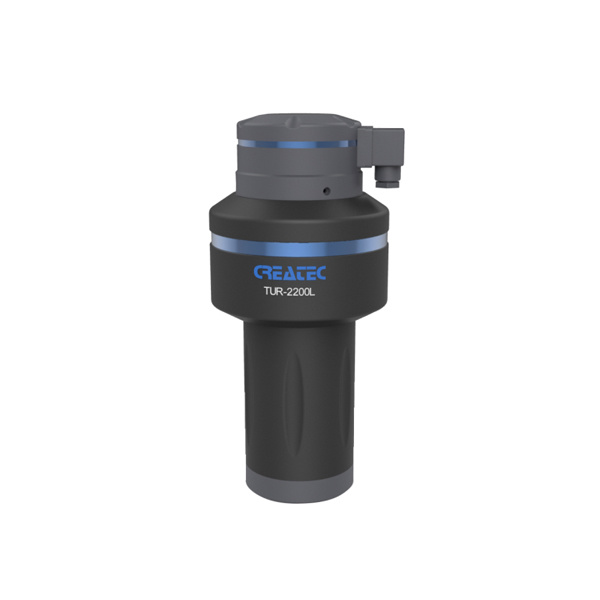
The Future of Water Treatment: Harnessing the Power of Online Turbidity Sensors
2026-10-08
The Future of Water Treatment: Harnessing the Power of Online Turbidity Sensors
Table of Contents
Introduction: The Importance of Water Quality Monitoring
Understanding Turbidity: What It Is and Why It Matters
The Role of Online Turbidity Sensors in Modern Water Treatment
Technology Behind Online Turbidity Sensors: How They Work
Benefits of Using Online Turbidity Sensors in Water Treatment
Applic

Understanding High Turbidity Data Acquisition Terminals in Water Quality Analysis
2026-10-01
---
In the realm of water quality analysis, particularly in the pharmaceutical and healthcare industries, High Turbidity Data Acquisition Terminals are essential tools. These specialized devices are designed to measure and record turbidity levels in water samples, which is a crucial parameter in determining the clarity and quality of water. Turbidity, caused by suspended particles, microorganisms,
Innovative Solutions for Water Quality Control: Digital Multi-parameter Integration Sensors
2026-09-24
Innovative Solutions for Water Quality Control: Digital Multi-parameter Integration Sensors
Table of Contents
Introduction to Water Quality Control
The Importance of Water Quality Monitoring
Traditional Methods of Water Quality Analysis
The Rise of Digital Multi-parameter Sensors
Key Features of Digital Multi-parameter Integration Sensors
Applications of Digital Multi-para

CREATEC will be there where there is water
Focus on the independent research and development of online water quality analysis instruments and water environmental protection analysis instruments
ABOUT US
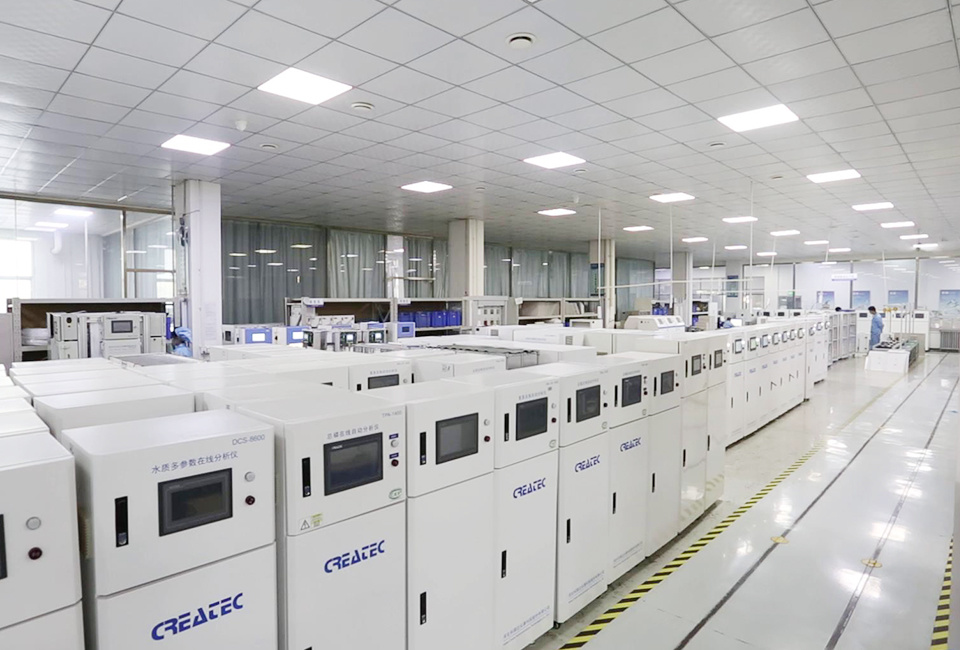
Hebei Create Instrumentation Technologies Co., Ltd. is a national high-tech technology enterprise which is specialized in the water quality online analysis instruments.The founder Hao shuanju was first awarded the national “Automatic Pure Water Monitor” patent in 1988.And entered into the field of water quality online analysis and research.
CONTACT US
Factory :NO.2 Building ,No.368 North Xinshi Road, Shijiazhuang 050091,Hebei Province,China.
Office Address: Block 23, Keying·Zhichuang Valley, Huai'an West Road, Luquan District, Shijiazhuang City
Tel: 86-311-83831058 / 67368592
E-Mail:meter@createc.cn
QUALITY OF SERVICE

Follow us
Learn more about online water quality analysis instruments