
Digital Innovation in Water Quality Monitoring: Laser Turbidity Sensors Revolutionizing Environmental Safety
2026-03-26
Digital Innovation in Water Quality Monitoring: Laser Turbidity Sensors Revolutionizing Environmental Safety
Table of Contents
Introducing Laser Turbidity Sensors
The Importance of Water Quality Monitoring
Understanding Turbidity in Water Quality
How Laser Turbidity Sensors Work
Applications of Laser Turbidity Sensors
Benefits of Using Laser Turbidity Sensors
The Futur
Digital Innovation in Water Quality Monitoring: Laser Turbidity Sensors Revolutionizing Environmental Safety
Table of Contents
- Introducing Laser Turbidity Sensors
- The Importance of Water Quality Monitoring
- Understanding Turbidity in Water Quality
- How Laser Turbidity Sensors Work
- Applications of Laser Turbidity Sensors
- Benefits of Using Laser Turbidity Sensors
- The Future of Water Quality Monitoring
- Frequently Asked Questions (FAQs)
Introducing Laser Turbidity Sensors
In the quest for improved **water quality monitoring**, **laser turbidity sensors** have emerged as a groundbreaking innovation. These advanced devices utilize laser technology to provide precise and rapid measurements of turbidity in water, allowing for real-time analysis and effective decision-making. As environmental concerns escalate, the demand for reliable water quality assessment tools has never been higher.
The Importance of Water Quality Monitoring
Monitoring water quality is essential for safeguarding public health and protecting ecosystems. Contaminated water can lead to serious health issues, environmental degradation, and economic losses. Regular water quality assessments enable authorities to identify pollution sources, ensure compliance with regulations, and implement effective water management strategies.
**Key reasons for water quality monitoring include:**
- Protecting human health
- Preserving aquatic ecosystems
- Ensuring compliance with regulations
- Supporting sustainable resource management
Understanding Turbidity in Water Quality
Turbidity is the cloudiness or haziness of a fluid caused by large numbers of individual particles. It is a critical parameter in assessing water quality. High turbidity levels can indicate the presence of harmful microorganisms, sediments, and pollutants, making it essential to monitor and control.
**Factors affecting turbidity** include:
- Sediment runoff from land erosion
- Algal blooms
- Wastewater discharge
- River and stream flow changes
How Laser Turbidity Sensors Work
Laser turbidity sensors operate based on the principle of light scattering. When a laser beam is directed through a water sample, suspended particles scatter the light. The degree of scattering correlates to the turbidity level of the water. The sensor measures the intensity of the scattered light, providing accurate turbidity readings in real time.
**Key components of laser turbidity sensors:**
- **Laser Source:** Provides a stable light source for accurate measurements.
- **Detector:** Measures the intensity of the scattered light.
- **Processing Unit:** Converts the detected signal into a turbidity value, typically expressed in NTU (Nephelometric Turbidity Units).
Applications of Laser Turbidity Sensors
Laser turbidity sensors find applications across various sectors, underscoring their versatility and significance in water quality monitoring.
1. Environmental Monitoring
Laser turbidity sensors are widely employed in environmental monitoring to assess water bodies, including rivers, lakes, and reservoirs. They help detect changes in turbidity levels due to natural phenomena or human activities.
2. Drinking Water Treatment
In drinking water treatment facilities, laser turbidity sensors play a crucial role in ensuring the quality of water supplied to consumers. By monitoring turbidity levels, operators can make informed decisions about treatment processes.
3. Wastewater Management
These sensors are integral to wastewater treatment plants, where they monitor the turbidity of effluent water. This ensures that the discharged water meets regulatory standards before being released into the environment.
4. Aquaculture
In aquaculture, maintaining optimal water quality is vital for fish health and growth. Laser turbidity sensors help aquaculture operators monitor water conditions, ensuring a conducive environment for aquatic life.
5. Industrial Processes
Many industries utilize laser turbidity sensors to monitor water quality in various processes, such as cooling systems and manufacturing. This ensures operational efficiency and compliance with environmental regulations.
Benefits of Using Laser Turbidity Sensors
The adoption of laser turbidity sensors offers multiple advantages in water quality monitoring, making them preferable over traditional methods.
1. High Accuracy and Precision
Laser turbidity sensors provide highly accurate and precise measurements. Their ability to differentiate between various particle sizes enhances reliability in turbidity assessments.
2. Real-Time Monitoring
One of the most significant benefits of laser turbidity sensors is their capability for real-time monitoring. This allows for immediate detection of changes in water quality, enabling prompt action to mitigate potential issues.
3. Reduced Maintenance
Compared to traditional turbidity measurement devices, laser sensors require less frequent maintenance. Their robust design minimizes the risk of fouling and degradation, reducing downtime and operational costs.
4. Versatility
Laser turbidity sensors can be utilized in a broad range of applications, from environmental assessments to industrial processes. This versatility makes them a valuable tool for various sectors.
5. Cost-Effectiveness
While the initial investment may be higher, the long-term benefits of laser turbidity sensors, such as reduced maintenance costs and improved operational efficiency, make them a cost-effective solution for water quality monitoring.
The Future of Water Quality Monitoring
As technology continues to advance, the future of water quality monitoring looks promising. The integration of laser turbidity sensors with other technologies, such as remote sensing and data analytics, will enhance monitoring capabilities further.
1. Integration with IoT
The Internet of Things (IoT) is set to revolutionize water quality monitoring. By connecting laser turbidity sensors to IoT platforms, real-time data can be collected, analyzed, and shared, improving decision-making processes.
2. Enhanced Data Analytics
With the increasing availability of data, advanced analytics tools will emerge. These tools will enable more profound insights into water quality trends and help forecast potential issues, ensuring proactive management.
3. Greater Public Awareness
As awareness of environmental issues grows, there will be an increased demand for transparency in water quality reports. Laser turbidity sensors can provide accurate data that can be shared with the public, fostering accountability and trust.
Frequently Asked Questions (FAQs)
1. What is the principle behind laser turbidity sensors?
Laser turbidity sensors operate by measuring the scattering of laser light caused by suspended particles in water. The intensity of the scattered light correlates with the turbidity level.
2. How do laser turbidity sensors compare to traditional methods?
Laser sensors offer higher accuracy, real-time monitoring capabilities, and reduced maintenance compared to traditional turbidity measurement methods, making them a superior choice for water quality monitoring.
3. Can laser turbidity sensors be used in different environments?
Yes, laser turbidity sensors are versatile and can be used in various environments, including freshwater bodies, wastewater treatment facilities, and industrial processes.
4. What are the main benefits of real-time monitoring?
Real-time monitoring allows for immediate detection of changes in water quality, enabling prompt responses to potential issues, which is crucial for public health and environmental safety.
5. Will laser turbidity sensors be used in future water management strategies?
Yes, as technology advances, the integration of laser turbidity sensors with IoT and data analytics will enhance water management strategies, leading to more effective monitoring and resource management.
Conclusion
**Digital innovation in water quality monitoring** is paving the way for significant advancements in environmental safety. **Laser turbidity sensors** stand at the forefront of this revolution, offering unparalleled accuracy, real-time monitoring, and a wide range of applications. As we move toward a more sustainable future, these sensors will play a crucial role in ensuring that our water resources remain clean and safe. By embracing these technologies, we can effectively safeguard public health and protect our precious ecosystems for generations to come.
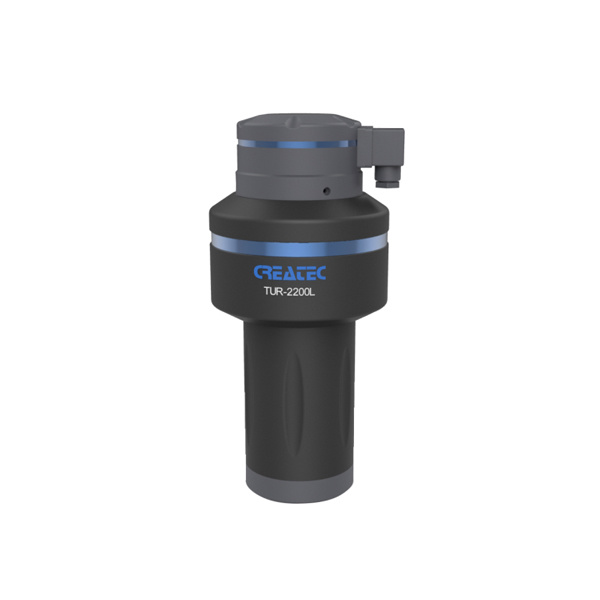
Digital Laser Turbidity online analysis sensor
RELATED NEWS
The Future of Water Treatment: Harnessing the Power of Online Turbidity Sensors
2026-10-08
The Future of Water Treatment: Harnessing the Power of Online Turbidity Sensors
Table of Contents
Introduction: The Importance of Water Quality Monitoring
Understanding Turbidity: What It Is and Why It Matters
The Role of Online Turbidity Sensors in Modern Water Treatment
Technology Behind Online Turbidity Sensors: How They Work
Benefits of Using Online Turbidity Sensors in Water Treatment
Applic

Understanding High Turbidity Data Acquisition Terminals in Water Quality Analysis
2026-10-01
---
In the realm of water quality analysis, particularly in the pharmaceutical and healthcare industries, High Turbidity Data Acquisition Terminals are essential tools. These specialized devices are designed to measure and record turbidity levels in water samples, which is a crucial parameter in determining the clarity and quality of water. Turbidity, caused by suspended particles, microorganisms,

Innovative Solutions for Water Quality Control: Digital Multi-parameter Integration Sensors
2026-09-24
Innovative Solutions for Water Quality Control: Digital Multi-parameter Integration Sensors
Table of Contents
Introduction to Water Quality Control
The Importance of Water Quality Monitoring
Traditional Methods of Water Quality Analysis
The Rise of Digital Multi-parameter Sensors
Key Features of Digital Multi-parameter Integration Sensors
Applications of Digital Multi-para

CREATEC will be there where there is water
Focus on the independent research and development of online water quality analysis instruments and water environmental protection analysis instruments
ABOUT US
Hebei Create Instrumentation Technologies Co., Ltd. is a national high-tech technology enterprise which is specialized in the water quality online analysis instruments.The founder Hao shuanju was first awarded the national “Automatic Pure Water Monitor” patent in 1988.And entered into the field of water quality online analysis and research.
CONTACT US
Factory :NO.2 Building ,No.368 North Xinshi Road, Shijiazhuang 050091,Hebei Province,China.
Office Address: Block 23, Keying·Zhichuang Valley, Huai'an West Road, Luquan District, Shijiazhuang City
Tel: 86-311-83831058 / 67368592
E-Mail:meter@createc.cn
QUALITY OF SERVICE

Follow us
Learn more about online water quality analysis instruments