
Analyzing Water Quality Made Easy with Digital Multi-parameter Integration Sensors
2025-12-04
Analyzing Water Quality Made Easy with Digital Multi-parameter Integration Sensors
Table of Contents
1. Understanding Water Quality and Its Importance
2. Introduction to Digital Multi-parameter Integration Sensors
3. How Digital Multi-parameter Sensors Work
4. Key Features of Digital Multi-parameter Integration Sensors
5. Benefits of Using Digital Multi-parameter Integration Sensors
Analyzing Water Quality Made Easy with Digital Multi-parameter Integration Sensors
Table of Contents
1. Understanding Water Quality and Its Importance
2. Introduction to Digital Multi-parameter Integration Sensors
3. How Digital Multi-parameter Sensors Work
4. Key Features of Digital Multi-parameter Integration Sensors
5. Benefits of Using Digital Multi-parameter Integration Sensors
6. Applications of Digital Multi-parameter Integration Sensors in Various Industries
7. Future Trends in Water Quality Analysis Technologies
8. Frequently Asked Questions
9. Conclusion
1. Understanding Water Quality and Its Importance
Water quality refers to the chemical, physical, and biological characteristics of water, primarily in relation to its suitability for a particular purpose, such as drinking, recreation, or supporting aquatic life. Understanding water quality is crucial, as it directly impacts public health, environmental sustainability, and economic activities. Poor water quality can lead to health issues, ecosystem degradation, and significant economic losses.
2. Introduction to Digital Multi-parameter Integration Sensors
Digital multi-parameter integration sensors are advanced devices designed to monitor and analyze various water quality parameters simultaneously. Unlike traditional methods, which often require multiple instruments, these sensors provide a comprehensive solution for water quality assessment. They measure factors such as pH, turbidity, dissolved oxygen, and conductivity with remarkable accuracy and efficiency.
3. How Digital Multi-parameter Sensors Work
Digital multi-parameter integration sensors utilize innovative technology to provide real-time data on water quality. Each sensor is equipped with multiple probes that collect data on different parameters simultaneously. Here's a breakdown of how they function:
3.1 Probe Technology
The core of these sensors lies in their probes, each specifically designed to measure a particular parameter. For instance, a pH probe measures the acidity or alkalinity of water, while a turbidity probe assesses the clarity of the water. These probes send continuous data to the integrated digital display unit.
3.2 Data Processing
Once the data is collected, it undergoes processing within the sensor's onboard computer system. Advanced algorithms analyze the readings, providing accurate and reliable water quality assessments. The processed data can be displayed in real-time on screens or transmitted to remote monitoring systems.
3.3 User Interface
Most digital multi-parameter integration sensors come with user-friendly interfaces that allow operators to customize settings, view data trends, and generate reports. This feature enhances usability, making it accessible for both experts and novices in water quality analysis.
4. Key Features of Digital Multi-parameter Integration Sensors
These sensors stand out due to several key features that enhance their efficacy in water quality analysis:
4.1 Real-time Monitoring
One of the most significant advantages is the ability to monitor water quality in real-time. Continuous data collection allows for immediate responses to changes in water conditions, which is critical for environmental management and safety.
4.2 High Accuracy and Precision
Digital multi-parameter sensors boast high accuracy levels, ensuring that the data collected is reliable. This precision is vital for applications where even minor changes in water quality can have substantial implications.
4.3 Compact and Portable Design
Many of these sensors are designed to be compact and portable, making them easy to deploy in various settings, from industrial sites to remote water bodies. Their versatility allows for widespread usage.
4.4 Easy Calibration and Maintenance
Regular calibration is necessary for maintaining accuracy, and modern sensors are designed for easy calibration processes. This feature minimizes downtime and ensures that the sensors remain functional over extended periods.
4.5 Integration with Other Technologies
Many digital multi-parameter integration sensors can integrate with other technologies, such as IoT platforms and data analytics tools. This capability enhances their functionality, allowing for more sophisticated water quality management systems.
5. Benefits of Using Digital Multi-parameter Integration Sensors
Employing digital multi-parameter integration sensors for water quality analysis offers numerous advantages:
5.1 Cost-Effectiveness
By combining multiple measurement capabilities into a single device, these sensors reduce the need for multiple instruments, resulting in lower overall costs for water quality monitoring.
5.2 Enhanced Data Collection
With the ability to measure several parameters simultaneously, these sensors provide a more comprehensive view of water quality, facilitating better decision-making and management strategies.
5.3 Improved Decision-Making
Access to real-time data allows organizations and individuals to make informed decisions quickly. This timely information is crucial for addressing water quality issues before they escalate.
5.4 Environmental Protection
By enabling proactive water quality management, these sensors contribute to environmental protection efforts, ensuring that water resources remain safe and sustainable for future generations.
6. Applications of Digital Multi-parameter Integration Sensors in Various Industries
Digital multi-parameter integration sensors find applications across various fields, including:
6.1 Environmental Monitoring
These sensors are essential tools for environmental scientists and conservationists who monitor water bodies for pollution and ecological changes.
6.2 Agriculture
In agriculture, these sensors help farmers assess water quality for irrigation, ensuring that crops receive the optimal amount of nutrients and reducing the risk of crop failure due to poor water conditions.
6.4 Industrial Water Treatment
Industries that rely on water, such as manufacturing and food processing, utilize these sensors for monitoring wastewater treatment processes, ensuring compliance with environmental regulations.
6.5 Drinking Water Quality Management
Water treatment facilities use these sensors to monitor the quality of drinking water, safeguarding public health by ensuring that water meets safety standards.
7. Future Trends in Water Quality Analysis Technologies
As technology evolves, the future of water quality analysis looks promising:
7.1 Integration of AI and Machine Learning
The incorporation of artificial intelligence and machine learning will enhance data analysis capabilities, allowing for predictive modeling of water quality changes based on historical data.
7.2 Enhanced Connectivity
Future sensors are likely to feature enhanced connectivity options, enabling seamless integration with smart city infrastructures and providing centralized monitoring solutions.
7.3 Miniaturization and Cost Reduction
As technology advances, we can expect further miniaturization of sensors along with cost reductions, making these tools more accessible to a broader audience.
8. Frequently Asked Questions
8.1 What parameters can digital multi-parameter integration sensors measure?
Digital multi-parameter integration sensors can measure various parameters, including pH, turbidity, dissolved oxygen, conductivity, temperature, and more.
8.2 How often should digital multi-parameter sensors be calibrated?
Calibration frequency depends on the specific sensor and usage conditions but is typically recommended every few months or as needed based on performance.
8.3 Are these sensors suitable for both freshwater and saltwater environments?
Yes, many digital multi-parameter integration sensors are designed to operate effectively in both freshwater and saltwater environments, although specific calibration and settings may be required.
8.4 Can I access data remotely from these sensors?
Many modern digital multi-parameter sensors offer remote data access through integrated connectivity options, allowing users to monitor water quality from anywhere.
8.5 What industries benefit the most from digital multi-parameter integration sensors?
Industries such as environmental monitoring, agriculture, industrial water treatment, and drinking water management benefit significantly from these sensors.
9. Conclusion
Digital multi-parameter integration sensors are transforming the way we analyze water quality, providing an efficient, accurate, and comprehensive solution for various applications. By understanding how these sensors work and recognizing their benefits, industries and individuals can ensure better water management practices. As technology continues to advance, the future of water quality analysis is bright, promising even more innovative solutions to safeguard our precious water resources. Embracing these advancements not only enhances our ability to monitor water quality but also contributes to environmental sustainability for generations to come.
Digital Multi-parameter integration sensor
RELATED NEWS
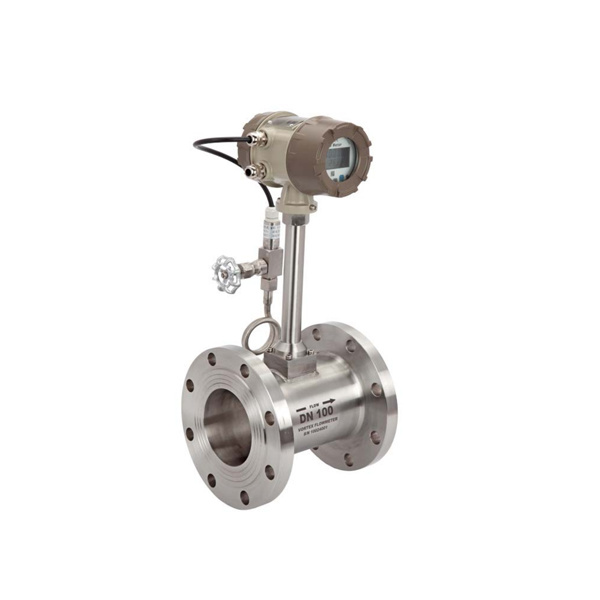
Understanding Vorex Flow Meters: A Comprehensive Guide to Flow Measurement
2026-09-03
Flow measurement is an essential aspect of various industries, from water treatment to chemical manufacturing and beyond. One device that stands out in this field is the Vorex flow meter. These instruments are designed to accurately gauge the flow rate of liquids and gases, ensuring that processes operate smoothly and efficiently.
A Vorex flow meter typically operates on the principle of measuring

How Acrylic Flow Meters Enhance Efficiency in Fluid Dynamics
2026-08-27
How Acrylic Flow Meters Enhance Efficiency in Fluid Dynamics
Table of Contents
1. Introduction to Acrylic Flow Meters
2. Understanding Fluid Dynamics
3. The Importance of Accurate Flow Measurement
4. Benefits of Acrylic Flow Meters
5. Applications of Acrylic Flow Meters in Various Industries
6. How Acrylic Flow Meters Work
7. Choosing the Right Acrylic Flow Meter
8

Understanding Durable Plastic Tube Type Flowmeters: A Comprehensive Guide
2026-08-20
Durable plastic tube type flowmeters are essential instruments in the measurement of fluid dynamics, prominently used in various industries including chemical processing, water treatment, and food production. These flowmeters are designed to provide accurate flow measurement while ensuring durability and reliability in diverse applications.
One of the primary advantages of durable plastic tube ty

CREATEC will be there where there is water
Focus on the independent research and development of online water quality analysis instruments and water environmental protection analysis instruments
ABOUT US
Hebei Create Instrumentation Technologies Co., Ltd. is a national high-tech technology enterprise which is specialized in the water quality online analysis instruments.The founder Hao shuanju was first awarded the national “Automatic Pure Water Monitor” patent in 1988.And entered into the field of water quality online analysis and research.
CONTACT US
Factory :NO.2 Building ,No.368 North Xinshi Road, Shijiazhuang 050091,Hebei Province,China.
Office Address: Block 23, Keying·Zhichuang Valley, Huai'an West Road, Luquan District, Shijiazhuang City
Tel: 86-311-83831058 / 67368592
E-Mail:meter@createc.cn
QUALITY OF SERVICE

Follow us
Learn more about online water quality analysis instruments