
Enhancing Water Quality with Reverse Osmosis Control Integrated Systems
2025-11-27
Reverse Osmosis Control Integrated Systems have emerged as essential components in the pharmaceutical and healthcare industries, particularly for applications requiring high-purity water. These systems utilize reverse osmosis (RO) technology, which is known for its efficiency in removing contaminants, salts, and organic matter from water. In settings where water quality is critical, such as labora
Reverse Osmosis Control Integrated Systems have emerged as essential components in the pharmaceutical and healthcare industries, particularly for applications requiring high-purity water. These systems utilize reverse osmosis (RO) technology, which is known for its efficiency in removing contaminants, salts, and organic matter from water. In settings where water quality is critical, such as laboratories and manufacturing facilities, the integration of control systems enhances the overall performance and reliability of the water purification process.
At the heart of a Reverse Osmosis Control Integrated System is the membrane, which serves as the primary barrier to unwanted substances. The system operates by applying pressure to the water, forcing it through the semipermeable membrane while leaving behind impurities. By continuously monitoring various parameters, such as pressure, flow rate, and water quality, the control system ensures optimal functioning and minimizes downtime.
One of the key advantages of these integrated systems is their ability to automate processes. Advanced control features allow for real-time monitoring and adjustments, enhancing the consistency of water quality. For example, if the system detects a drop in permeate quality due to changing feed water conditions, it can automatically adjust the pressure or initiate a cleaning cycle without human intervention. This level of automation not only improves efficiency but also reduces the risk of human error, leading to more reliable results.
Moreover, Reverse Osmosis Control Integrated Systems can be equipped with advanced sensors and data logging capabilities. These features enable users to track historical performance data, conduct trend analysis, and generate reports for compliance and quality assurance purposes. In highly regulated environments such as pharmaceuticals, having a robust data management system is crucial for meeting stringent quality standards.
Another important consideration is the energy efficiency of these systems. Many modern Reverse Osmosis Control Integrated Systems incorporate energy recovery devices, which capture and reuse energy that would otherwise be lost during operation. This not only lowers operational costs but also aligns with sustainability goals by reducing the carbon footprint associated with water purification processes.
In conclusion, Reverse Osmosis Control Integrated Systems play a vital role in ensuring high water quality in the pharmaceutical and healthcare sectors. By utilizing advanced technology for monitoring, automation, and energy efficiency, these systems provide reliable and effective water purification solutions. As the demand for purified water continues to rise, investing in these integrated systems can significantly enhance operational efficiency and compliance with regulatory standards.
At the heart of a Reverse Osmosis Control Integrated System is the membrane, which serves as the primary barrier to unwanted substances. The system operates by applying pressure to the water, forcing it through the semipermeable membrane while leaving behind impurities. By continuously monitoring various parameters, such as pressure, flow rate, and water quality, the control system ensures optimal functioning and minimizes downtime.
One of the key advantages of these integrated systems is their ability to automate processes. Advanced control features allow for real-time monitoring and adjustments, enhancing the consistency of water quality. For example, if the system detects a drop in permeate quality due to changing feed water conditions, it can automatically adjust the pressure or initiate a cleaning cycle without human intervention. This level of automation not only improves efficiency but also reduces the risk of human error, leading to more reliable results.
Moreover, Reverse Osmosis Control Integrated Systems can be equipped with advanced sensors and data logging capabilities. These features enable users to track historical performance data, conduct trend analysis, and generate reports for compliance and quality assurance purposes. In highly regulated environments such as pharmaceuticals, having a robust data management system is crucial for meeting stringent quality standards.
Another important consideration is the energy efficiency of these systems. Many modern Reverse Osmosis Control Integrated Systems incorporate energy recovery devices, which capture and reuse energy that would otherwise be lost during operation. This not only lowers operational costs but also aligns with sustainability goals by reducing the carbon footprint associated with water purification processes.
In conclusion, Reverse Osmosis Control Integrated Systems play a vital role in ensuring high water quality in the pharmaceutical and healthcare sectors. By utilizing advanced technology for monitoring, automation, and energy efficiency, these systems provide reliable and effective water purification solutions. As the demand for purified water continues to rise, investing in these integrated systems can significantly enhance operational efficiency and compliance with regulatory standards.
Reverse Osmosis Control Integrated System
RELATED NEWS
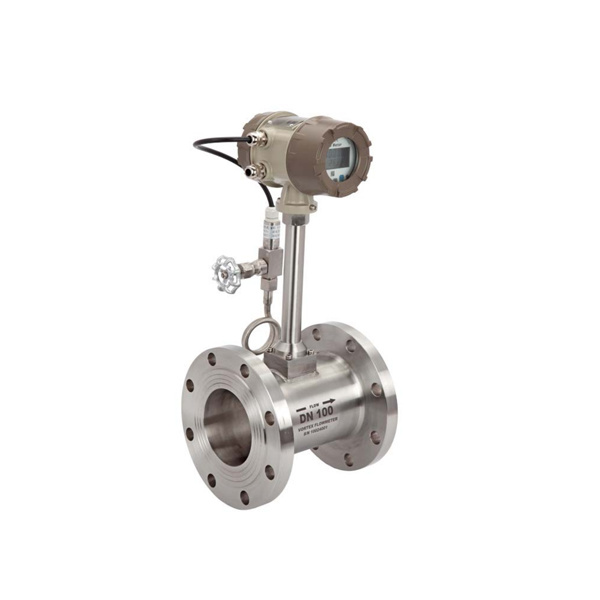
Understanding Vorex Flow Meters: A Comprehensive Guide to Flow Measurement
2026-09-03
Flow measurement is an essential aspect of various industries, from water treatment to chemical manufacturing and beyond. One device that stands out in this field is the Vorex flow meter. These instruments are designed to accurately gauge the flow rate of liquids and gases, ensuring that processes operate smoothly and efficiently.
A Vorex flow meter typically operates on the principle of measuring

How Acrylic Flow Meters Enhance Efficiency in Fluid Dynamics
2026-08-27
How Acrylic Flow Meters Enhance Efficiency in Fluid Dynamics
Table of Contents
1. Introduction to Acrylic Flow Meters
2. Understanding Fluid Dynamics
3. The Importance of Accurate Flow Measurement
4. Benefits of Acrylic Flow Meters
5. Applications of Acrylic Flow Meters in Various Industries
6. How Acrylic Flow Meters Work
7. Choosing the Right Acrylic Flow Meter
8

Understanding Durable Plastic Tube Type Flowmeters: A Comprehensive Guide
2026-08-20
Durable plastic tube type flowmeters are essential instruments in the measurement of fluid dynamics, prominently used in various industries including chemical processing, water treatment, and food production. These flowmeters are designed to provide accurate flow measurement while ensuring durability and reliability in diverse applications.
One of the primary advantages of durable plastic tube ty

CREATEC will be there where there is water
Focus on the independent research and development of online water quality analysis instruments and water environmental protection analysis instruments
ABOUT US
Hebei Create Instrumentation Technologies Co., Ltd. is a national high-tech technology enterprise which is specialized in the water quality online analysis instruments.The founder Hao shuanju was first awarded the national “Automatic Pure Water Monitor” patent in 1988.And entered into the field of water quality online analysis and research.
CONTACT US
Factory :NO.2 Building ,No.368 North Xinshi Road, Shijiazhuang 050091,Hebei Province,China.
Office Address: Block 23, Keying·Zhichuang Valley, Huai'an West Road, Luquan District, Shijiazhuang City
Tel: 86-311-83831058 / 67368592
E-Mail:meter@createc.cn
QUALITY OF SERVICE

Follow us
Learn more about online water quality analysis instruments