
The Transformative Impact of Internet of Things Instruments in Healthcare
2025-10-16
In recent years, the Internet of Things (IoT) has emerged as a significant force in various industries, particularly in healthcare. The integration of IoT instruments is transforming how medical professionals monitor and treat patients, leading to improved health outcomes and operational efficiency. This article delves into the practical applications and benefits of IoT instruments in the medical
In recent years, the Internet of Things (IoT) has emerged as a significant force in various industries, particularly in healthcare. The integration of IoT instruments is transforming how medical professionals monitor and treat patients, leading to improved health outcomes and operational efficiency. This article delves into the practical applications and benefits of IoT instruments in the medical field, particularly within the realm of medical devices.
IoT instruments in healthcare encompass a wide array of connected devices capable of collecting and transmitting data in real time. These devices range from wearable health monitors that track vital signs to smart medical equipment that can communicate patient data to healthcare providers instantly. By leveraging these instruments, healthcare professionals can gain deeper insights into patient health, leading to more informed decisions and timely interventions.
One of the most critical advantages of IoT instruments is their ability to facilitate remote patient monitoring. This feature is especially valuable for managing chronic diseases, where continuous observation is essential. For instance, wearable devices can monitor heart rates, glucose levels, and even detect irregularities, providing healthcare providers with actionable data without requiring patients to be physically present in a clinic. This not only enhances patient convenience but also reduces the strain on healthcare facilities.
Moreover, IoT instruments contribute to operational efficiency within healthcare institutions. Automated inventory management systems can track medical supplies, ensuring that hospitals are adequately stocked and minimizing waste. This capability allows healthcare providers to focus more on patient care rather than administrative tasks, thereby improving overall service delivery.
The integration of IoT instruments also enhances patient engagement. Patients can access their health data via mobile applications, empowering them to take an active role in their health management. This level of engagement fosters better communication between patients and healthcare providers, promoting adherence to treatment plans and lifestyle changes.
However, despite the numerous benefits, implementing IoT instruments in healthcare comes with challenges. Data security and privacy concerns are paramount, given the sensitivity of health information. Healthcare organizations must adopt robust security measures to protect patient data from breaches. Additionally, ensuring interoperability between different devices and systems is crucial for maximizing the effectiveness of IoT solutions.
In conclusion, the advent of Internet of Things instruments is reshaping the healthcare landscape, offering unprecedented opportunities for enhancing patient care and streamlining operations. As technology continues to evolve, the potential for IoT in healthcare will likely expand, leading to even more innovative solutions that can address the ever-changing needs of the medical community. Embracing these instruments is not just a trend but a necessary step towards a more connected and efficient healthcare system.
IoT instruments in healthcare encompass a wide array of connected devices capable of collecting and transmitting data in real time. These devices range from wearable health monitors that track vital signs to smart medical equipment that can communicate patient data to healthcare providers instantly. By leveraging these instruments, healthcare professionals can gain deeper insights into patient health, leading to more informed decisions and timely interventions.
One of the most critical advantages of IoT instruments is their ability to facilitate remote patient monitoring. This feature is especially valuable for managing chronic diseases, where continuous observation is essential. For instance, wearable devices can monitor heart rates, glucose levels, and even detect irregularities, providing healthcare providers with actionable data without requiring patients to be physically present in a clinic. This not only enhances patient convenience but also reduces the strain on healthcare facilities.
Moreover, IoT instruments contribute to operational efficiency within healthcare institutions. Automated inventory management systems can track medical supplies, ensuring that hospitals are adequately stocked and minimizing waste. This capability allows healthcare providers to focus more on patient care rather than administrative tasks, thereby improving overall service delivery.
The integration of IoT instruments also enhances patient engagement. Patients can access their health data via mobile applications, empowering them to take an active role in their health management. This level of engagement fosters better communication between patients and healthcare providers, promoting adherence to treatment plans and lifestyle changes.
However, despite the numerous benefits, implementing IoT instruments in healthcare comes with challenges. Data security and privacy concerns are paramount, given the sensitivity of health information. Healthcare organizations must adopt robust security measures to protect patient data from breaches. Additionally, ensuring interoperability between different devices and systems is crucial for maximizing the effectiveness of IoT solutions.
In conclusion, the advent of Internet of Things instruments is reshaping the healthcare landscape, offering unprecedented opportunities for enhancing patient care and streamlining operations. As technology continues to evolve, the potential for IoT in healthcare will likely expand, leading to even more innovative solutions that can address the ever-changing needs of the medical community. Embracing these instruments is not just a trend but a necessary step towards a more connected and efficient healthcare system.
Internet of Things Instrument
RELATED NEWS
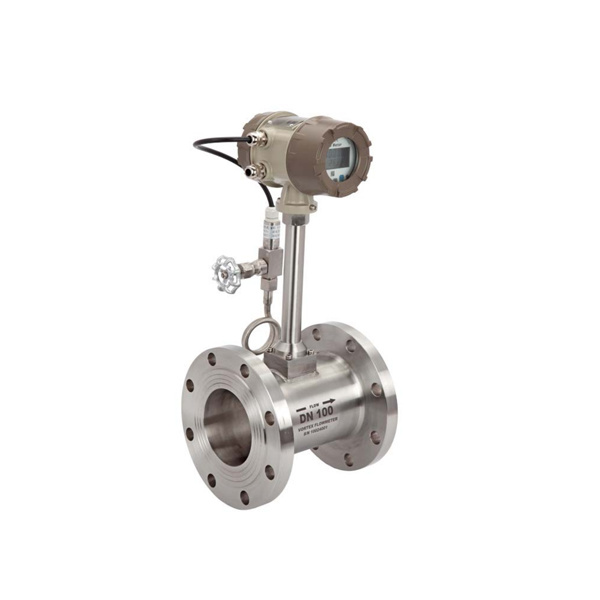
Understanding Vorex Flow Meters: A Comprehensive Guide to Flow Measurement
2026-09-03
Flow measurement is an essential aspect of various industries, from water treatment to chemical manufacturing and beyond. One device that stands out in this field is the Vorex flow meter. These instruments are designed to accurately gauge the flow rate of liquids and gases, ensuring that processes operate smoothly and efficiently.
A Vorex flow meter typically operates on the principle of measuring

How Acrylic Flow Meters Enhance Efficiency in Fluid Dynamics
2026-08-27
How Acrylic Flow Meters Enhance Efficiency in Fluid Dynamics
Table of Contents
1. Introduction to Acrylic Flow Meters
2. Understanding Fluid Dynamics
3. The Importance of Accurate Flow Measurement
4. Benefits of Acrylic Flow Meters
5. Applications of Acrylic Flow Meters in Various Industries
6. How Acrylic Flow Meters Work
7. Choosing the Right Acrylic Flow Meter
8

Understanding Durable Plastic Tube Type Flowmeters: A Comprehensive Guide
2026-08-20
Durable plastic tube type flowmeters are essential instruments in the measurement of fluid dynamics, prominently used in various industries including chemical processing, water treatment, and food production. These flowmeters are designed to provide accurate flow measurement while ensuring durability and reliability in diverse applications.
One of the primary advantages of durable plastic tube ty

CREATEC will be there where there is water
Focus on the independent research and development of online water quality analysis instruments and water environmental protection analysis instruments
ABOUT US
Hebei Create Instrumentation Technologies Co., Ltd. is a national high-tech technology enterprise which is specialized in the water quality online analysis instruments.The founder Hao shuanju was first awarded the national “Automatic Pure Water Monitor” patent in 1988.And entered into the field of water quality online analysis and research.
CONTACT US
Factory :NO.2 Building ,No.368 North Xinshi Road, Shijiazhuang 050091,Hebei Province,China.
Office Address: Block 23, Keying·Zhichuang Valley, Huai'an West Road, Luquan District, Shijiazhuang City
Tel: 86-311-83831058 / 67368592
E-Mail:meter@createc.cn
QUALITY OF SERVICE

Follow us
Learn more about online water quality analysis instruments