
The Future of Water Quality Assurance: Electromagnetic Flow Meters
2025-10-09
The Future of Water Quality Assurance: Electromagnetic Flow Meters
Introduction to Water Quality Assurance
Water quality assurance is crucial in maintaining public health and protecting the environment. With increasing pollution levels and stringent regulations, industries rely on advanced technologies to monitor and manage water quality effectively. One such technology that has gained prominence
The Future of Water Quality Assurance: Electromagnetic Flow Meters
Introduction to Water Quality Assurance
Water quality assurance is crucial in maintaining public health and protecting the environment. With increasing pollution levels and stringent regulations, industries rely on advanced technologies to monitor and manage water quality effectively. One such technology that has gained prominence in recent years is the electromagnetic flow meter.
What Are Electromagnetic Flow Meters?
Electromagnetic flow meters are devices designed to measure the flow rate of conductive liquids. They operate on Faraday’s Law of Electromagnetic Induction, which states that a voltage is induced when a conductor moves through a magnetic field. This technology allows for precise measurement of water flow, making it indispensable in various applications.
How Do Electromagnetic Flow Meters Work?
At the core of electromagnetic flow meters are two key components: a magnetic field and electrodes. When water flows through the meter, it cuts across the magnetic field, generating a voltage proportional to the flow velocity. The instruments then convert this voltage into a flow rate reading, providing real-time data for monitoring and analysis.
Key Components of Electromagnetic Flow Meters
1. **Magnetic Coil**: Generates a stable magnetic field across the flow path.
2. **Electrodes**: Measure the induced voltage to determine flow velocity.
3. **Flow Tube**: The conduit through which the fluid travels, typically made of non-conductive materials.
4. **Transmitter**: Converts the voltage signal into a readable flow rate.
The Advantages of Electromagnetic Flow Meters
Electromagnetic flow meters offer several advantages over traditional flow measurement devices, making them a preferred choice for water quality assurance.
1. High Accuracy and Reliability
Electromagnetic flow meters provide exceptional accuracy, often exceeding ±0.5% of the measured value. This precision is vital in applications where even minor discrepancies can lead to significant issues, such as regulatory non-compliance or environmental impact.
2. No Moving Parts
Unlike mechanical flow meters, electromagnetic flow meters have no moving parts, reducing wear and tear and minimizing maintenance needs. This feature enhances their longevity and reliability, ensuring consistent performance over time.
3. Wide Range of Applications
Electromagnetic flow meters are versatile and can be used in various industries, including:
- **Water Treatment Plants**: Monitoring treated and raw water flows.
- **Wastewater Management**: Measuring sewage and industrial effluents.
- **Food and Beverage Industry**: Ensuring compliance with health standards in liquid food processing.
4. Minimal Pressure Loss
These meters exhibit negligible pressure drop across the flow path, making them ideal for applications where maintaining pressure is crucial.
5. Environmentally Friendly
Electromagnetic flow meters are inherently more eco-friendly than their mechanical counterparts, as they do not rely on moving parts that may wear out and release contaminants into the flow.
Integrating Electromagnetic Flow Meters into Water Quality Assurance Programs
To achieve optimal water quality management, integrating electromagnetic flow meters into existing systems is essential. Here’s how to effectively incorporate them:
1. Assessing Existing Infrastructure
Before installation, it is crucial to evaluate the current water quality monitoring systems. Identifying gaps and areas for improvement will enable a seamless transition to electromagnetic flow meters.
2. Selecting the Right Equipment
Choosing the right electromagnetic flow meter depends on several factors, including:
- **Fluid Characteristics**: Conductivity, temperature, and pressure.
- **Application Requirements**: Required accuracy, flow range, and installation location.
3. Calibration and Testing
Once installed, electromagnetic flow meters must undergo calibration to ensure accurate readings. Regular testing and maintenance will also help identify any potential issues early on.
The Role of Electromagnetic Flow Meters in Regulatory Compliance
As water quality regulations become increasingly stringent, organizations must adhere to various standards set by governmental bodies. Electromagnetic flow meters play a critical role in ensuring compliance by providing:
1. Accurate Measurements for Reporting
Accurate flow rate data is essential for reporting to regulatory authorities. Electromagnetic flow meters provide real-time data that can be easily documented and submitted.
2. Enhanced Data Management
Modern electromagnetic flow meters often come equipped with advanced data management features, allowing for the collection, storage, and analysis of flow data over time. This capability supports proactive decision-making regarding water quality management.
3. Improved Transparency
Using reliable technology fosters transparency in reporting and builds trust with stakeholders, including regulatory agencies and the public.
Challenges and Limitations of Electromagnetic Flow Meters
While electromagnetic flow meters offer numerous advantages, they are not without their challenges.
1. Conductivity Requirements
These flow meters require the fluid to be conductive, which may limit their use in certain applications, such as measuring deionized water or oils.
2. Installation Considerations
Proper installation is critical for optimal performance. Factors such as pipeline diameter, flow profile, and upstream/downstream straight pipe lengths must be carefully considered to avoid measurement errors.
3. Cost Factors
While the initial investment in electromagnetic flow meters may be higher than traditional meters, the long-term savings in maintenance and increased accuracy often offset these costs.
The Future of Electromagnetic Flow Meters in Water Quality Assurance
As technology continues to advance, the future of electromagnetic flow meters in water quality assurance looks promising.
1. Integration with IoT and Smart Technologies
The integration of electromagnetic flow meters with Internet of Things (IoT) technologies will revolutionize water quality monitoring. Real-time data can be transmitted to cloud-based systems for remote access and analysis, enabling proactive management.
2. Enhanced Data Analytics
Advancements in data analytics will allow for deeper insights into water quality trends. Predictive analytics can help identify potential issues before they arise, ensuring timely interventions.
3. Increased Sustainability Efforts
As the world shifts towards more sustainable practices, electromagnetic flow meters will play a vital role in water conservation and management efforts. Improved monitoring capabilities will support initiatives aimed at reducing water wastage and enhancing resource management.
FAQs About Electromagnetic Flow Meters
1. What types of fluids can electromagnetic flow meters measure?
Electromagnetic flow meters are suitable for measuring conductive fluids, such as water, wastewater, slurries, and some chemical solutions.
2. How often should electromagnetic flow meters be calibrated?
Calibration frequency depends on the application and environmental conditions. Regular checks, at least annually, are recommended to maintain accuracy.
3. Can electromagnetic flow meters measure flows at high temperatures?
Yes, many electromagnetic flow meters are designed to handle high temperatures, but it is essential to verify the specifications of the selected model.
4. How do electromagnetic flow meters compare to mechanical flow meters?
Electromagnetic flow meters provide higher accuracy, require less maintenance, and exhibit minimal pressure loss compared to mechanical flow meters.
5. Are electromagnetic flow meters suitable for outdoor installations?
Yes, electromagnetic flow meters can be used outdoors; however, proper weatherproofing and installation considerations should be taken into account.
Conclusion
The adoption of **electromagnetic flow meters** in water quality assurance represents a significant leap forward in technology. Their precision, reliability, and versatility make them essential tools for industries aiming to safeguard our water resources. As regulations become more stringent and sustainability efforts gain momentum, integrating these advanced devices into water management systems will not only ensure compliance but also promote responsible resource usage. As we look to the future, the continued evolution of electromagnetic flow meters will undoubtedly play a pivotal role in achieving optimal water quality assurance.
Insert Electromagnetic Flow Meter
RELATED NEWS
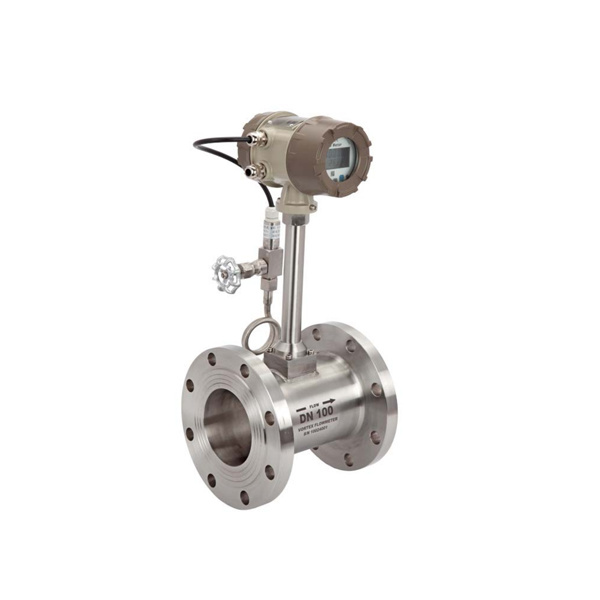
Understanding Vorex Flow Meters: A Comprehensive Guide to Flow Measurement
2026-09-03
Flow measurement is an essential aspect of various industries, from water treatment to chemical manufacturing and beyond. One device that stands out in this field is the Vorex flow meter. These instruments are designed to accurately gauge the flow rate of liquids and gases, ensuring that processes operate smoothly and efficiently.
A Vorex flow meter typically operates on the principle of measuring

How Acrylic Flow Meters Enhance Efficiency in Fluid Dynamics
2026-08-27
How Acrylic Flow Meters Enhance Efficiency in Fluid Dynamics
Table of Contents
1. Introduction to Acrylic Flow Meters
2. Understanding Fluid Dynamics
3. The Importance of Accurate Flow Measurement
4. Benefits of Acrylic Flow Meters
5. Applications of Acrylic Flow Meters in Various Industries
6. How Acrylic Flow Meters Work
7. Choosing the Right Acrylic Flow Meter
8

Understanding Durable Plastic Tube Type Flowmeters: A Comprehensive Guide
2026-08-20
Durable plastic tube type flowmeters are essential instruments in the measurement of fluid dynamics, prominently used in various industries including chemical processing, water treatment, and food production. These flowmeters are designed to provide accurate flow measurement while ensuring durability and reliability in diverse applications.
One of the primary advantages of durable plastic tube ty

CREATEC will be there where there is water
Focus on the independent research and development of online water quality analysis instruments and water environmental protection analysis instruments
ABOUT US
Hebei Create Instrumentation Technologies Co., Ltd. is a national high-tech technology enterprise which is specialized in the water quality online analysis instruments.The founder Hao shuanju was first awarded the national “Automatic Pure Water Monitor” patent in 1988.And entered into the field of water quality online analysis and research.
CONTACT US
Factory :NO.2 Building ,No.368 North Xinshi Road, Shijiazhuang 050091,Hebei Province,China.
Office Address: Block 23, Keying·Zhichuang Valley, Huai'an West Road, Luquan District, Shijiazhuang City
Tel: 86-311-83831058 / 67368592
E-Mail:meter@createc.cn
QUALITY OF SERVICE

Follow us
Learn more about online water quality analysis instruments