
Understanding High Turbidity Data Acquisition Terminals in Water Quality Analysis
2025-09-04
In the field of water quality analysis, particularly within the pharmaceutical and healthcare industries, the measurement of turbidity is a critical aspect of ensuring the safety and efficacy of water used in various applications. High turbidity data acquisition terminals play a pivotal role in this process, enabling accurate monitoring and assessment of water clarity.
Turbidity refers to the clou
In the field of water quality analysis, particularly within the pharmaceutical and healthcare industries, the measurement of turbidity is a critical aspect of ensuring the safety and efficacy of water used in various applications. High turbidity data acquisition terminals play a pivotal role in this process, enabling accurate monitoring and assessment of water clarity.
Turbidity refers to the cloudiness or haziness of a fluid, caused by large numbers of individual particles that are generally invisible to the naked eye. These particles may include silt, clay, organic matter, and microorganisms, all of which can adversely affect water quality. In the context of healthcare and pharmaceuticals, maintaining low turbidity levels is vital, as high turbidity can indicate the presence of contaminants that may compromise the safety of water used in medical procedures or drug formulation.
High turbidity data acquisition terminals are specialized instruments designed to measure this particular characteristic in water samples. They employ advanced sensors and data processing technologies to capture and analyze turbidity levels in real-time. This capability allows for immediate response to fluctuating water quality conditions, which is essential for maintaining compliance with health and safety regulations.
One of the key advantages of utilizing high turbidity data acquisition terminals is their ability to provide continuous monitoring. Unlike traditional sampling methods that may only offer periodic data, these terminals allow for a comprehensive view of water quality over time. This continuous data stream enables healthcare facilities and pharmaceutical companies to identify trends and patterns in water quality, facilitating proactive management of potential issues before they escalate.
Moreover, the data collected by these terminals can be integrated into broader water quality management systems. This integration allows for enhanced reporting capabilities and the ability to track compliance with regulatory standards effectively. By having access to precise turbidity readings, organizations can make informed decisions regarding water treatment processes, ensuring that water used in their operations meets the necessary quality criteria.
Furthermore, high turbidity data acquisition terminals can contribute to research and development in pharmaceuticals. By ensuring the quality of water used in drug manufacturing, researchers can improve product efficacy and safety, ultimately benefiting patient health outcomes.
In conclusion, high turbidity data acquisition terminals are indispensable tools in the healthcare and pharmaceutical industries. They not only enhance the accuracy of water quality analysis but also play a critical role in ensuring that water used in medical applications is safe and effective. With continuous monitoring and integration capabilities, these terminals are key to maintaining high standards of water quality and public health safety.
Turbidity refers to the cloudiness or haziness of a fluid, caused by large numbers of individual particles that are generally invisible to the naked eye. These particles may include silt, clay, organic matter, and microorganisms, all of which can adversely affect water quality. In the context of healthcare and pharmaceuticals, maintaining low turbidity levels is vital, as high turbidity can indicate the presence of contaminants that may compromise the safety of water used in medical procedures or drug formulation.
High turbidity data acquisition terminals are specialized instruments designed to measure this particular characteristic in water samples. They employ advanced sensors and data processing technologies to capture and analyze turbidity levels in real-time. This capability allows for immediate response to fluctuating water quality conditions, which is essential for maintaining compliance with health and safety regulations.
One of the key advantages of utilizing high turbidity data acquisition terminals is their ability to provide continuous monitoring. Unlike traditional sampling methods that may only offer periodic data, these terminals allow for a comprehensive view of water quality over time. This continuous data stream enables healthcare facilities and pharmaceutical companies to identify trends and patterns in water quality, facilitating proactive management of potential issues before they escalate.
Moreover, the data collected by these terminals can be integrated into broader water quality management systems. This integration allows for enhanced reporting capabilities and the ability to track compliance with regulatory standards effectively. By having access to precise turbidity readings, organizations can make informed decisions regarding water treatment processes, ensuring that water used in their operations meets the necessary quality criteria.
Furthermore, high turbidity data acquisition terminals can contribute to research and development in pharmaceuticals. By ensuring the quality of water used in drug manufacturing, researchers can improve product efficacy and safety, ultimately benefiting patient health outcomes.
In conclusion, high turbidity data acquisition terminals are indispensable tools in the healthcare and pharmaceutical industries. They not only enhance the accuracy of water quality analysis but also play a critical role in ensuring that water used in medical applications is safe and effective. With continuous monitoring and integration capabilities, these terminals are key to maintaining high standards of water quality and public health safety.
High Turbidity Data Acquisition Terminal
RELATED NEWS
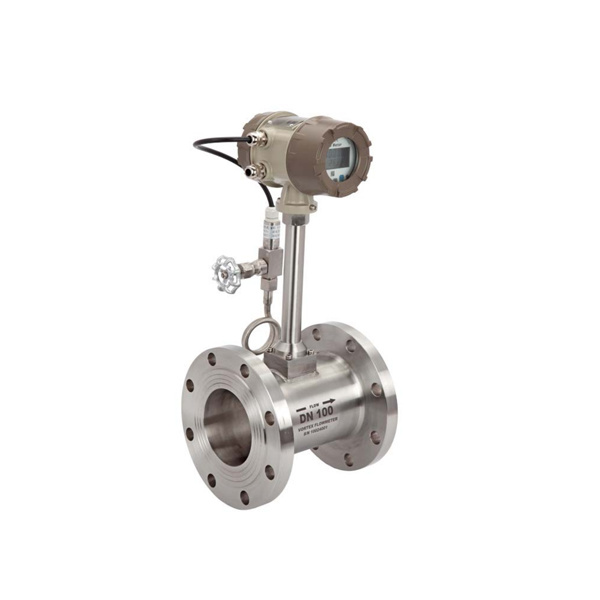
Understanding Vorex Flow Meters: A Comprehensive Guide to Flow Measurement
2026-09-03
Flow measurement is an essential aspect of various industries, from water treatment to chemical manufacturing and beyond. One device that stands out in this field is the Vorex flow meter. These instruments are designed to accurately gauge the flow rate of liquids and gases, ensuring that processes operate smoothly and efficiently.
A Vorex flow meter typically operates on the principle of measuring

How Acrylic Flow Meters Enhance Efficiency in Fluid Dynamics
2026-08-27
How Acrylic Flow Meters Enhance Efficiency in Fluid Dynamics
Table of Contents
1. Introduction to Acrylic Flow Meters
2. Understanding Fluid Dynamics
3. The Importance of Accurate Flow Measurement
4. Benefits of Acrylic Flow Meters
5. Applications of Acrylic Flow Meters in Various Industries
6. How Acrylic Flow Meters Work
7. Choosing the Right Acrylic Flow Meter
8

Understanding Durable Plastic Tube Type Flowmeters: A Comprehensive Guide
2026-08-20
Durable plastic tube type flowmeters are essential instruments in the measurement of fluid dynamics, prominently used in various industries including chemical processing, water treatment, and food production. These flowmeters are designed to provide accurate flow measurement while ensuring durability and reliability in diverse applications.
One of the primary advantages of durable plastic tube ty

CREATEC will be there where there is water
Focus on the independent research and development of online water quality analysis instruments and water environmental protection analysis instruments
ABOUT US
Hebei Create Instrumentation Technologies Co., Ltd. is a national high-tech technology enterprise which is specialized in the water quality online analysis instruments.The founder Hao shuanju was first awarded the national “Automatic Pure Water Monitor” patent in 1988.And entered into the field of water quality online analysis and research.
CONTACT US
Factory :NO.2 Building ,No.368 North Xinshi Road, Shijiazhuang 050091,Hebei Province,China.
Office Address: Block 23, Keying·Zhichuang Valley, Huai'an West Road, Luquan District, Shijiazhuang City
Tel: 86-311-83831058 / 67368592
E-Mail:meter@createc.cn
QUALITY OF SERVICE

Follow us
Learn more about online water quality analysis instruments