
Unlocking the Potential of Electromagnetic Flow Meters for Comprehensive Water Analysis
2025-03-27
Unlocking the Potential of Electromagnetic Flow Meters for Comprehensive Water Analysis
Table of Contents
1. Introduction to Electromagnetic Flow Meters
2. Understanding the Technology Behind Electromagnetic Flow Meters
3. Advantages of Using Electromagnetic Flow Meters in Water Analysis
4. Applications of Electromagnetic Flow Meters in Water Quality Assessment
5. Installation
Unlocking the Potential of Electromagnetic Flow Meters for Comprehensive Water Analysis
Table of Contents
- 1. Introduction to Electromagnetic Flow Meters
- 2. Understanding the Technology Behind Electromagnetic Flow Meters
- 3. Advantages of Using Electromagnetic Flow Meters in Water Analysis
- 4. Applications of Electromagnetic Flow Meters in Water Quality Assessment
- 5. Installation and Maintenance of Electromagnetic Flow Meters
- 6. Future Trends in Electromagnetic Flow Meter Technology
- 7. Case Studies: Successful Implementation of Electromagnetic Flow Meters
- 8. Frequently Asked Questions (FAQs)
- 9. Conclusion
1. Introduction to Electromagnetic Flow Meters
In the realm of water analysis, precision and reliability are paramount. Electromagnetic flow meters have emerged as a game-changing technology, offering unparalleled accuracy in measuring the flow of conductive fluids. These innovative devices are essential for industries ranging from municipal water supply to wastewater treatment, ensuring that water quality standards are met and maintained. In this article, we will explore the workings of electromagnetic flow meters, their advantages, applications, and the future of this crucial technology in water analysis.
2. Understanding the Technology Behind Electromagnetic Flow Meters
Electromagnetic flow meters operate based on Faraday’s Law of Electromagnetic Induction. This principle dictates that when a conductive fluid flows through a magnetic field, it generates a voltage proportional to its flow rate. The flow meter consists of a non-intrusive measuring tube lined with an insulating material, and electrodes placed within the tube. As the conductive fluid flows through the magnetic field created by the meter, it induces a voltage detected by the electrodes, allowing for precise flow measurement.
2.1 Key Components of Electromagnetic Flow Meters
- Magnetic Field Generator: Produces a stable magnetic field that interacts with the fluid.
- Measurement Tube: Non-intrusive design that minimizes pressure loss and turbulence.
- Electrodes: Measure the induced voltage to determine the flow rate.
- Transmitter: Converts the analog signal to a digital format for easy monitoring and analysis.
2.2 Working Principle
The electromagnetic flow meter’s working principle ensures that it can measure a variety of fluids, including wastewater, potable water, and even slurries. The absence of moving parts not only prolongs the lifespan of the meter but also reduces maintenance needs, making it a cost-effective solution for water analysis.
3. Advantages of Using Electromagnetic Flow Meters in Water Analysis
The adoption of electromagnetic flow meters in water analysis offers numerous benefits that set them apart from traditional flow measurement tools.
3.1 High Accuracy and Reliability
One of the standout features of electromagnetic flow meters is their ability to provide consistently accurate measurements, even in challenging conditions. This accuracy ensures compliance with regulatory standards and enhances the reliability of water quality assessments.
3.2 Low Maintenance Needs
Electromagnetic flow meters are designed with durability in mind. Their non-intrusive design and absence of moving parts result in lower wear and tear over time, significantly reducing maintenance and repair costs.
3.3 Versatility
These flow meters can be used for a wide range of liquid types, including those with varying temperatures and pressures. Their adaptability makes them ideal for diverse industrial applications.
3.4 No Pressure Loss
Unlike other flow measurement devices, electromagnetic flow meters do not cause pressure loss in the system. This feature is crucial in processes where maintaining pressure is essential for operational efficiency.
4. Applications of Electromagnetic Flow Meters in Water Quality Assessment
Electromagnetic flow meters are invaluable in various sectors involved in water quality assessment. Here are some of their most significant applications:
4.1 Municipal Water Supply
In municipal water systems, these meters help monitor water distribution, manage flow rates, and ensure that water quality standards are met. Their accuracy is essential for billing and leak detection, improving the overall efficiency of municipal water management.
4.2 Wastewater Management
Electromagnetic flow meters are extensively used in wastewater treatment facilities. They allow for accurate measurement of influent and effluent flows, which is crucial for operational efficiency and regulatory compliance.
4.3 Industrial Processes
Many industries utilize electromagnetic flow meters to monitor fluid flow in production processes. Applications range from food and beverage production to chemical manufacturing, where accurate flow measurement ensures product quality and process efficiency.
4.4 Environmental Monitoring
These meters are also employed in environmental monitoring, helping assess water quality in rivers, lakes, and other natural bodies of water. They play a vital role in studies aimed at preventing pollution and protecting aquatic ecosystems.
5. Installation and Maintenance of Electromagnetic Flow Meters
Proper installation and routine maintenance are critical to maximizing the performance of electromagnetic flow meters.
5.1 Installation Guidelines
When installing electromagnetic flow meters, ensuring that they are positioned correctly within the pipeline is essential. Key considerations include:
- **Straight Pipe Sections:** Install the meter in a straight section of pipe to avoid turbulence.
- **Orientation:** Ensure the meter is installed in the correct orientation, typically horizontal.
- **Electrode Cleaning:** Regularly check electrodes for buildup that may affect accuracy.
5.2 Routine Maintenance
Routine maintenance involves checking for any signs of wear, cleaning the electrodes, and ensuring that the transmitter is functioning correctly. Regular calibration may also be necessary to maintain accuracy.
6. Future Trends in Electromagnetic Flow Meter Technology
The landscape of electromagnetic flow meters is continually evolving. Here are some anticipated future trends:
6.1 Integration with IoT
The integration of Internet of Things (IoT) technology into electromagnetic flow meters is poised to revolutionize water analysis. Remote monitoring capabilities will allow for real-time data collection, enhancing decision-making processes in water management.
6.2 Enhanced Data Analytics
As data analytics technologies advance, the ability to analyze flow data will improve, allowing for predictive maintenance and optimized operations. This trend will enhance the overall efficiency and effectiveness of water management systems.
6.3 Development of Smart Sensors
Future electromagnetic flow meters will likely feature smart sensors capable of providing additional data points, such as temperature and pressure, further enhancing their functionality in water analysis.
7. Case Studies: Successful Implementation of Electromagnetic Flow Meters
Examining real-world applications helps illustrate the effectiveness of electromagnetic flow meters. Here are a few notable case studies:
7.1 Case Study 1: Municipal Water System Upgrade
A large city upgraded its municipal water system with electromagnetic flow meters to improve accuracy in water billing and reduce losses from leaks. The transition resulted in a 30% increase in billing accuracy and significant cost savings.
7.2 Case Study 2: Industrial Wastewater Treatment
An industrial plant implemented electromagnetic flow meters in its wastewater treatment process, enabling real-time monitoring of influent and effluent flows. This step led to better regulatory compliance and reduced environmental impact.
7.3 Case Study 3: Environmental Monitoring Program
A research organization deployed electromagnetic flow meters in a river monitoring program to assess pollution levels. The data collected was crucial for formulating conservation strategies and protecting local ecosystems.
8. Frequently Asked Questions (FAQs)
8.1 What types of fluids can electromagnetic flow meters measure?
Electromagnetic flow meters can measure any conductive fluid, including water, wastewater, slurries, and many chemicals.
8.2 Are electromagnetic flow meters suitable for non-conductive fluids?
No, electromagnetic flow meters require conductive fluids to operate effectively. Non-conductive fluids require alternative measurement technologies.
8.3 How do electromagnetic flow meters compare to traditional flow meters?
Unlike traditional flow meters, electromagnetic flow meters lack moving parts, offering higher accuracy, lower maintenance needs, and no pressure drop.
8.4 What is the typical lifespan of an electromagnetic flow meter?
With proper maintenance, electromagnetic flow meters can last many years, often exceeding 10 years of reliable service.
8.5 Can electromagnetic flow meters be used in hazardous environments?
Yes, there are specialized electromagnetic flow meters designed for hazardous environments, with appropriate certifications to ensure safe operation.
9. Conclusion
Electromagnetic flow meters represent a vital advancement in the field of water analysis, combining accuracy, durability, and versatility. Their ability to provide reliable measurements across a wide range of applications positions them as essential tools for industries focused on water quality management. As technology continues to evolve, the future of electromagnetic flow meters promises even greater advancements, paving the way for enhanced water management practices and environmental protection. Investing in this technology today will undoubtedly yield substantial benefits for years to come.
Insert Electromagnetic Flow Meter
RELATED NEWS
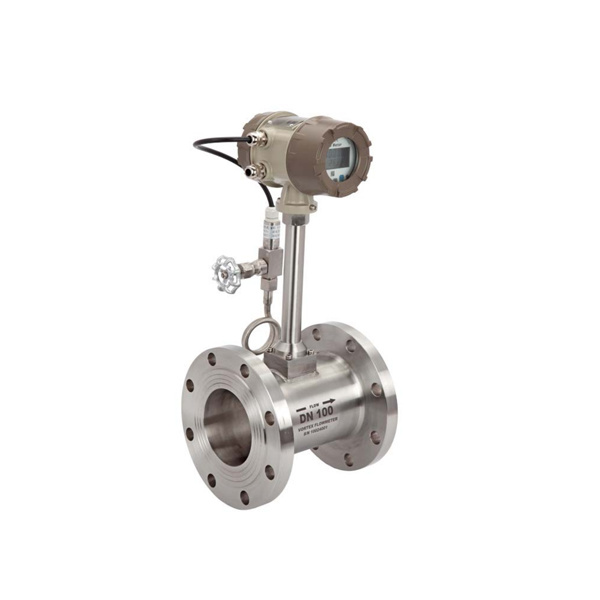
Understanding Vorex Flow Meters: A Comprehensive Guide to Flow Measurement
2026-09-03
Flow measurement is an essential aspect of various industries, from water treatment to chemical manufacturing and beyond. One device that stands out in this field is the Vorex flow meter. These instruments are designed to accurately gauge the flow rate of liquids and gases, ensuring that processes operate smoothly and efficiently.
A Vorex flow meter typically operates on the principle of measuring

How Acrylic Flow Meters Enhance Efficiency in Fluid Dynamics
2026-08-27
How Acrylic Flow Meters Enhance Efficiency in Fluid Dynamics
Table of Contents
1. Introduction to Acrylic Flow Meters
2. Understanding Fluid Dynamics
3. The Importance of Accurate Flow Measurement
4. Benefits of Acrylic Flow Meters
5. Applications of Acrylic Flow Meters in Various Industries
6. How Acrylic Flow Meters Work
7. Choosing the Right Acrylic Flow Meter
8

Understanding Durable Plastic Tube Type Flowmeters: A Comprehensive Guide
2026-08-20
Durable plastic tube type flowmeters are essential instruments in the measurement of fluid dynamics, prominently used in various industries including chemical processing, water treatment, and food production. These flowmeters are designed to provide accurate flow measurement while ensuring durability and reliability in diverse applications.
One of the primary advantages of durable plastic tube ty

CREATEC will be there where there is water
Focus on the independent research and development of online water quality analysis instruments and water environmental protection analysis instruments
ABOUT US
Hebei Create Instrumentation Technologies Co., Ltd. is a national high-tech technology enterprise which is specialized in the water quality online analysis instruments.The founder Hao shuanju was first awarded the national “Automatic Pure Water Monitor” patent in 1988.And entered into the field of water quality online analysis and research.
CONTACT US
Factory :NO.2 Building ,No.368 North Xinshi Road, Shijiazhuang 050091,Hebei Province,China.
Office Address: Block 23, Keying·Zhichuang Valley, Huai'an West Road, Luquan District, Shijiazhuang City
Tel: 86-311-83831058 / 67368592
E-Mail:meter@createc.cn
QUALITY OF SERVICE

Follow us
Learn more about online water quality analysis instruments