
Innovative Digital Multi-parameter Integration Sensor for Water Quality Analysis Instruments
2024-07-22
Digital multi-parameter integration sensors are revolutionizing the field of water quality analysis instruments in the pharmaceutical and healthcare industry. These sensors are designed to accurately measure multiple parameters simultaneously, providing users with comprehensive data for efficient analysis and monitoring.
One of the key advantages of digital multi-parameter integration sensors is t
Digital multi-parameter integration sensors are revolutionizing the field of water quality analysis instruments in the pharmaceutical and healthcare industry. These sensors are designed to accurately measure multiple parameters simultaneously, providing users with comprehensive data for efficient analysis and monitoring.
One of the key advantages of digital multi-parameter integration sensors is their ability to streamline the data collection process. By consolidating multiple sensors into a single device, these sensors offer a more compact and user-friendly solution for water quality analysis instruments. This not only saves space but also simplifies the setup and maintenance of the instruments.
Furthermore, digital multi-parameter integration sensors are known for their high level of accuracy and precision. By utilizing advanced technology, these sensors can provide reliable and consistent data, ensuring that users can trust the results for critical decision-making processes. This level of accuracy is essential in the pharmaceutical and healthcare industry, where water quality can directly impact the safety and efficacy of products and treatments.
In addition, digital multi-parameter integration sensors often come equipped with advanced features such as real-time monitoring and data logging. This allows users to track changes in water quality over time, identify trends, and quickly respond to any deviations from established parameters. By providing this level of insight, these sensors enable proactive maintenance and quality control measures, ultimately leading to improved overall performance and efficiency.
In conclusion, digital multi-parameter integration sensors represent a significant advancement in water quality analysis instruments within the pharmaceutical and healthcare industry. With their ability to provide accurate, reliable, and comprehensive data, these sensors play a crucial role in ensuring the safety and effectiveness of products and treatments. As technology continues to evolve, these sensors will likely become even more essential for maintaining high standards of water quality in various applications.
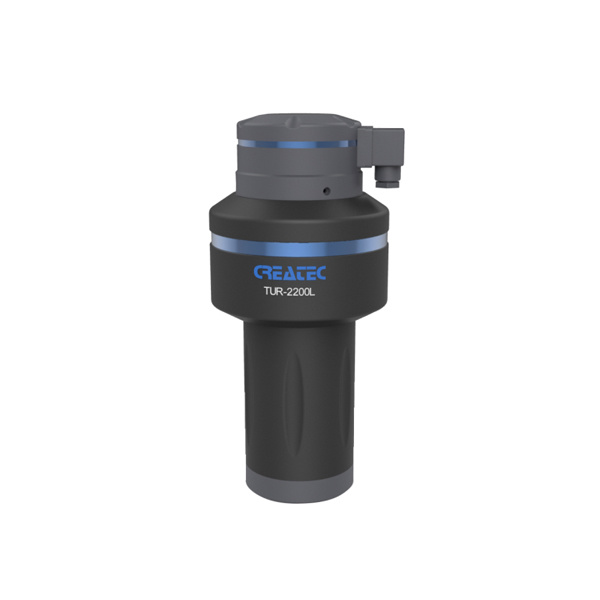
Digital Multi-parameter integration sensor
RELATED NEWS

Understanding the Importance of Single Stage RO Controllers in Water Quality Analysis
2026-10-15
In the medical and health sector, the quality of water used in analysis and laboratory processes is paramount. Single Stage RO (Reverse Osmosis) Controllers play a crucial role in maintaining this quality by ensuring that water purification systems operate efficiently and effectively. These controllers are designed to manage the reverse osmosis process, which is essential for producing high-qualit
The Future of Water Treatment: Harnessing the Power of Online Turbidity Sensors
2026-10-08
The Future of Water Treatment: Harnessing the Power of Online Turbidity Sensors
Table of Contents
Introduction: The Importance of Water Quality Monitoring
Understanding Turbidity: What It Is and Why It Matters
The Role of Online Turbidity Sensors in Modern Water Treatment
Technology Behind Online Turbidity Sensors: How They Work
Benefits of Using Online Turbidity Sensors in Water Treatment
Applic

Understanding High Turbidity Data Acquisition Terminals in Water Quality Analysis
2026-10-01
---
In the realm of water quality analysis, particularly in the pharmaceutical and healthcare industries, High Turbidity Data Acquisition Terminals are essential tools. These specialized devices are designed to measure and record turbidity levels in water samples, which is a crucial parameter in determining the clarity and quality of water. Turbidity, caused by suspended particles, microorganisms,

CREATEC will be there where there is water
Focus on the independent research and development of online water quality analysis instruments and water environmental protection analysis instruments
ABOUT US
Hebei Create Instrumentation Technologies Co., Ltd. is a national high-tech technology enterprise which is specialized in the water quality online analysis instruments.The founder Hao shuanju was first awarded the national “Automatic Pure Water Monitor” patent in 1988.And entered into the field of water quality online analysis and research.
CONTACT US
Factory :NO.2 Building ,No.368 North Xinshi Road, Shijiazhuang 050091,Hebei Province,China.
Office Address: Block 23, Keying·Zhichuang Valley, Huai'an West Road, Luquan District, Shijiazhuang City
Tel: 86-311-83831058 / 67368592
E-Mail:meter@createc.cn
QUALITY OF SERVICE

Follow us
Learn more about online water quality analysis instruments