
Day 60: Enhancing Water Quality with Advanced Reverse Osmosis Control System
2024-07-19
# Introduction
In today's fast-paced world, access to clean and safe drinking water is more important than ever. With the increasing concern over water pollution and contamination, it is crucial to invest in advanced technologies that can enhance water quality and ensure the health and well-being of our communities. One such technology that has been gaining popularity is the reverse osmosis contro
# Introduction
In today's fast-paced world, access to clean and safe drinking water is more important than ever. With the increasing concern over water pollution and contamination, it is crucial to invest in advanced technologies that can enhance water quality and ensure the health and well-being of our communities. One such technology that has been gaining popularity is the reverse osmosis control system. In this article, we will explore how this advanced system works and the benefits it can provide in enhancing water quality.
## What is Reverse Osmosis?
Reverse osmosis is a water purification process that uses a semipermeable membrane to remove contaminants and impurities from water. By applying pressure to the water, the system forces it through the membrane, leaving behind pollutants such as bacteria, viruses, chemicals, and heavy metals. The result is clean, purified water that is safe for consumption.
### How Does a Reverse Osmosis Control System Work?
A reverse osmosis control system consists of several components, including a pre-filter, membrane, post-filter, and storage tank. The pre-filter removes larger particles, such as sediment and chlorine, while the membrane filters out smaller contaminants. The post-filter then removes any remaining impurities before the water is stored in the tank for use. The system is controlled by a series of sensors and valves that ensure optimal performance and water quality.
#### Benefits of Using a Reverse Osmosis Control System
- Improved Water Quality: By removing contaminants and impurities, a reverse osmosis control system can provide clean, safe drinking water for your home or business.
- Healthier Drinking Water: Eliminating harmful pollutants can help prevent waterborne diseases and improve overall health.
- Cost-Effective Solution: Investing in a reverse osmosis control system can save money on bottled water and reduce the need for expensive water treatment solutions.
- Environmental Benefits: By reducing the use of plastic water bottles, a reverse osmosis control system can help minimize waste and protect the environment.
##### FAQs
1. How often should I replace the filters in a reverse osmosis control system?
- Filters should be replaced every 6-12 months to maintain optimal performance and water quality.
2. Can a reverse osmosis control system remove fluoride from water?
- Yes, a reverse osmosis control system can effectively remove fluoride from water.
3. Is a reverse osmosis control system easy to install?
- Yes, most systems are designed for easy installation and can be done by a professional technician.
###### Conclusion
In conclusion, investing in an advanced reverse osmosis control system is a smart choice for enhancing water quality and ensuring safe, clean drinking water for your home or business. With its ability to remove contaminants and impurities, this technology can provide numerous benefits for health, cost savings, and environmental protection. Take the first step towards improving water quality today and experience the difference that a reverse osmosis control system can make.
Reverse Osmosis Control Integrated System
RELATED NEWS

Understanding the Importance of Single Stage RO Controllers in Water Quality Analysis
2026-10-15
In the medical and health sector, the quality of water used in analysis and laboratory processes is paramount. Single Stage RO (Reverse Osmosis) Controllers play a crucial role in maintaining this quality by ensuring that water purification systems operate efficiently and effectively. These controllers are designed to manage the reverse osmosis process, which is essential for producing high-qualit
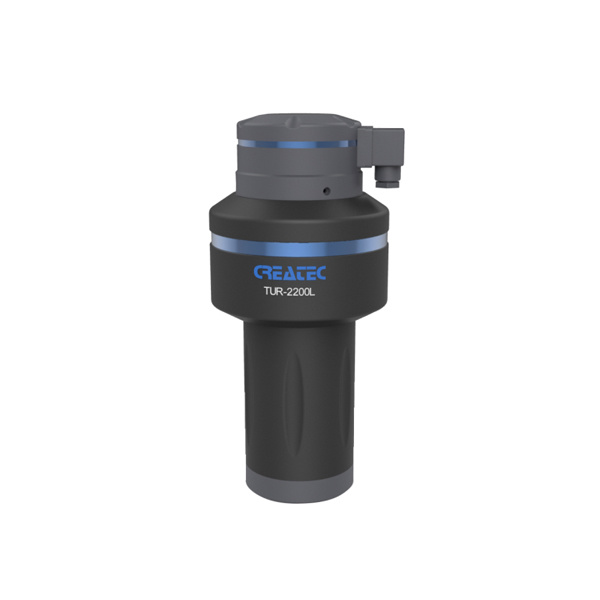
The Future of Water Treatment: Harnessing the Power of Online Turbidity Sensors
2026-10-08
The Future of Water Treatment: Harnessing the Power of Online Turbidity Sensors
Table of Contents
Introduction: The Importance of Water Quality Monitoring
Understanding Turbidity: What It Is and Why It Matters
The Role of Online Turbidity Sensors in Modern Water Treatment
Technology Behind Online Turbidity Sensors: How They Work
Benefits of Using Online Turbidity Sensors in Water Treatment
Applic

Understanding High Turbidity Data Acquisition Terminals in Water Quality Analysis
2026-10-01
---
In the realm of water quality analysis, particularly in the pharmaceutical and healthcare industries, High Turbidity Data Acquisition Terminals are essential tools. These specialized devices are designed to measure and record turbidity levels in water samples, which is a crucial parameter in determining the clarity and quality of water. Turbidity, caused by suspended particles, microorganisms,

CREATEC will be there where there is water
Focus on the independent research and development of online water quality analysis instruments and water environmental protection analysis instruments
ABOUT US
Hebei Create Instrumentation Technologies Co., Ltd. is a national high-tech technology enterprise which is specialized in the water quality online analysis instruments.The founder Hao shuanju was first awarded the national “Automatic Pure Water Monitor” patent in 1988.And entered into the field of water quality online analysis and research.
CONTACT US
Factory :NO.2 Building ,No.368 North Xinshi Road, Shijiazhuang 050091,Hebei Province,China.
Office Address: Block 23, Keying·Zhichuang Valley, Huai'an West Road, Luquan District, Shijiazhuang City
Tel: 86-311-83831058 / 67368592
E-Mail:meter@createc.cn
QUALITY OF SERVICE

Follow us
Learn more about online water quality analysis instruments