
Breaking Barriers in Water Quality Testing with Online Analysis Integration
2026-06-04
Breaking Barriers in Water Quality Testing with Online Analysis Integration
Introduction to Water Quality Testing
Water quality testing is crucial for ensuring the safety of drinking water, protecting aquatic ecosystems, and monitoring industrial discharges. Traditional water testing methods, while effective, often involve time-consuming processes and delayed results. The advent of online analysis
Breaking Barriers in Water Quality Testing with Online Analysis Integration
Introduction to Water Quality Testing
Water quality testing is crucial for ensuring the safety of drinking water, protecting aquatic ecosystems, and monitoring industrial discharges. Traditional water testing methods, while effective, often involve time-consuming processes and delayed results. The advent of online analysis integration is revolutionizing this field, significantly improving efficiency, accuracy, and accessibility.
The Importance of Water Quality Testing
Understanding the significance of maintaining high water quality is essential for public health and environmental protection. Contaminated water can lead to serious health issues, including gastrointestinal infections, reproductive problems, and neurological disorders. Additionally, maintaining water quality is vital for preserving ecosystems, supporting agriculture, and sustaining wildlife.
Traditional Water Quality Testing Methods
While traditional methods, such as laboratory testing, have served us well, they come with inherent limitations. These methods often require manual sampling and can take days to yield results, thereby hindering timely decision-making. The lack of real-time data can lead to critical delays in response to contamination events.
Challenges Faced in Conventional Testing
- **Time Consumption**: The lengthy process from sample collection to result analysis can compromise public health.
- **Limited Data Frequency**: Infrequent testing can overlook contamination spikes.
- **Accessibility Issues**: Remote or under-resourced areas may lack access to testing facilities.
What is Online Analysis Integration?
Online analysis integration refers to the use of advanced digital technologies, such as IoT (Internet of Things), cloud computing, and data analytics, to monitor water quality continuously and in real-time. By linking sensors and analytical equipment to online platforms, stakeholders can access and analyze data instantaneously.
The Role of IoT in Water Quality Monitoring
The Internet of Things enables the connection of various devices, allowing for seamless data sharing and communication. In water quality testing, IoT devices can be deployed in various locations to collect data on parameters such as pH, turbidity, dissolved oxygen, and contaminant levels.
Benefits of IoT Integration
- **Real-Time Monitoring**: Continuous data collection allows for immediate detection of anomalies.
- **Automated Alerts**: Stakeholders can receive instant notifications about potential contamination, enabling prompt action.
- **Data-Driven Decision Making**: Access to real-time data facilitates informed choices regarding water resource management.
Key Technologies in Online Water Quality Testing
Several technologies are driving the evolution of water quality testing, enhancing its accuracy and efficiency. These include:
1. Sensor Technology
Advanced sensors play a critical role in real-time monitoring. These devices can detect a wide range of parameters, providing comprehensive data about water quality.
2. Cloud Computing
Cloud platforms enable efficient data storage and accessibility, allowing users to analyze data from various locations and devices.
3. Data Analytics
Sophisticated algorithms and machine learning techniques help interpret large datasets, identifying trends and forecasting potential issues in water quality.
Applications of Online Analysis in Water Quality Testing
The integration of online analysis in water quality testing has far-reaching applications across multiple sectors.
1. Municipal Water Supply Management
Cities and municipalities can utilize online analysis to monitor drinking water quality, ensuring compliance with safety standards. Real-time data helps identify contamination events and assess the effectiveness of treatment processes.
2. Industrial Applications
Industries that discharge wastewater can benefit from continuous monitoring systems to track effluent quality and prevent environmental violations. Online analysis enables companies to meet regulatory requirements more efficiently.
3. Agricultural Irrigation
Farmers can utilize online water quality testing to monitor irrigation water, ensuring it meets the necessary standards for crop health. This approach mitigates the risk of introducing contaminants into the food supply.
4. Environmental Conservation
Conservation agencies can deploy online monitoring systems in rivers, lakes, and wetlands to track ecosystem health. This data helps inform conservation strategies and protect biodiversity.
Challenges in Implementing Online Analysis Integration
Despite the numerous advantages, there are challenges in adopting online analysis integration for water quality testing.
1. Initial Setup Costs
The investment required for sensors, software, and infrastructure can be significant, particularly for smaller municipalities or organizations.
2. Data Management and Security
With increased data flow comes the responsibility of ensuring data integrity and security. Protecting sensitive information from cyber threats is paramount.
3. Training and Expertise
Personnel must be adequately trained to interpret data and respond to alerts effectively. Continuous education is essential for maximizing the benefits of online analysis.
The Future of Water Quality Testing with Online Analysis
As technology continues to advance, the future of water quality testing looks promising. Innovations in sensor technology, artificial intelligence, and data analytics will further enhance the capabilities of online analysis integration.
Emerging Trends
- **Smart Water Management**: Cities will increasingly adopt smart technologies to optimize water resource management.
- **Predictive Analytics**: Advanced algorithms will enable proactive measures against potential contamination events.
- **Sustainability**: Online analysis will help promote sustainable practices by providing insights into water usage and quality.
FAQs about Online Water Quality Testing
1. What are the advantages of online water quality testing over traditional methods?
Online water quality testing provides real-time data, automated alerts, and improved accessibility, allowing for quicker decision-making and response to contamination events.
2. How does IoT technology enhance water quality monitoring?
IoT technology allows for continuous data collection from various sensors, enabling seamless communication and immediate detection of anomalies in water quality.
3. What role does cloud computing play in online water quality analysis?
Cloud computing facilitates efficient data storage and accessibility, allowing users to analyze water quality data from multiple devices and locations.
4. Are there any challenges associated with implementing online analysis integration?
Challenges include initial setup costs, data management and security concerns, and the need for trained personnel to interpret and respond to data.
5. What is the future outlook for water quality testing technologies?
The future of water quality testing includes advancements in smart water management, predictive analytics, and a greater focus on sustainability practices.
Conclusion
The integration of online analysis in water quality testing represents a pivotal shift in how we monitor and manage our vital water resources. With the ability to access real-time data and respond proactively to potential issues, communities, industries, and environmental agencies can ensure safer water for all. As technology continues to evolve, we anticipate even greater improvements in the accuracy, efficiency, and accessibility of water quality testing, paving the way for a sustainable future.
Multi-parameter Online Analysis System Integration
RELATED NEWS
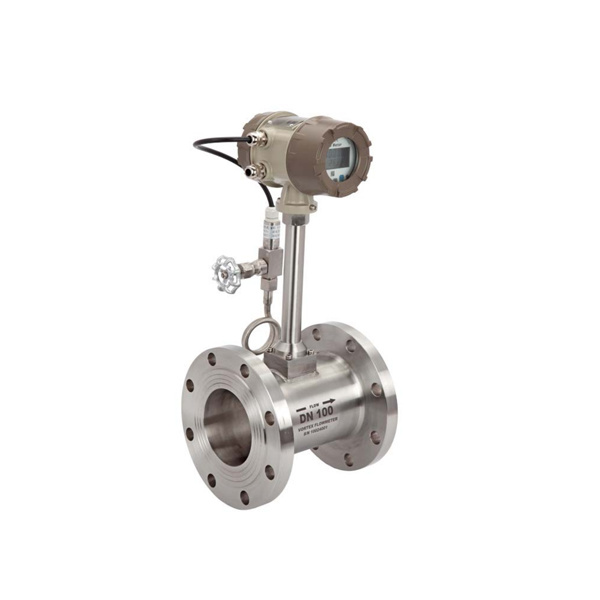
Understanding Vorex Flow Meters: A Comprehensive Guide to Flow Measurement
2026-09-03
Flow measurement is an essential aspect of various industries, from water treatment to chemical manufacturing and beyond. One device that stands out in this field is the Vorex flow meter. These instruments are designed to accurately gauge the flow rate of liquids and gases, ensuring that processes operate smoothly and efficiently.
A Vorex flow meter typically operates on the principle of measuring

How Acrylic Flow Meters Enhance Efficiency in Fluid Dynamics
2026-08-27
How Acrylic Flow Meters Enhance Efficiency in Fluid Dynamics
Table of Contents
1. Introduction to Acrylic Flow Meters
2. Understanding Fluid Dynamics
3. The Importance of Accurate Flow Measurement
4. Benefits of Acrylic Flow Meters
5. Applications of Acrylic Flow Meters in Various Industries
6. How Acrylic Flow Meters Work
7. Choosing the Right Acrylic Flow Meter
8

Understanding Durable Plastic Tube Type Flowmeters: A Comprehensive Guide
2026-08-20
Durable plastic tube type flowmeters are essential instruments in the measurement of fluid dynamics, prominently used in various industries including chemical processing, water treatment, and food production. These flowmeters are designed to provide accurate flow measurement while ensuring durability and reliability in diverse applications.
One of the primary advantages of durable plastic tube ty

CREATEC will be there where there is water
Focus on the independent research and development of online water quality analysis instruments and water environmental protection analysis instruments
ABOUT US
Hebei Create Instrumentation Technologies Co., Ltd. is a national high-tech technology enterprise which is specialized in the water quality online analysis instruments.The founder Hao shuanju was first awarded the national “Automatic Pure Water Monitor” patent in 1988.And entered into the field of water quality online analysis and research.
CONTACT US
Factory :NO.2 Building ,No.368 North Xinshi Road, Shijiazhuang 050091,Hebei Province,China.
Office Address: Block 23, Keying·Zhichuang Valley, Huai'an West Road, Luquan District, Shijiazhuang City
Tel: 86-311-83831058 / 67368592
E-Mail:meter@createc.cn
QUALITY OF SERVICE

Follow us
Learn more about online water quality analysis instruments