
Top Features of Modern Panel Type Flowmeters You Should Know
2026-05-07
Top Features of Modern Panel Type Flowmeters You Should Know
Introduction to Panel Type Flowmeters
Panel type flowmeters are essential instruments used for measuring the flow of liquids and gases in various industrial applications. These devices provide accurate measurements, enabling businesses to optimize processes, reduce waste, and enhance overall efficiency. As technology advances, modern
Top Features of Modern Panel Type Flowmeters You Should Know
Introduction to Panel Type Flowmeters
Panel type flowmeters are essential instruments used for measuring the flow of liquids and gases in various industrial applications. These devices provide accurate measurements, enabling businesses to optimize processes, reduce waste, and enhance overall efficiency. As technology advances, modern panel type flowmeters have incorporated numerous features that set them apart from traditional models. This article delves into the top features of these sophisticated devices, helping you understand their significance and applications.
1. Advanced Measurement Technologies
Modern panel type flowmeters utilize various advanced measurement technologies that ensure high accuracy and reliability.
1.1 Electromagnetic Flow Measurement
Electromagnetic flowmeters operate on the principle of electromagnetic induction. They measure the flow of conductive fluids without any moving parts, making them ideal for applications involving corrosive or dirty liquids. The electromagnetic field created within the flowmeter provides precise measurements, even with variable flow rates.
1.2 Ultrasonic Flow Measurement
Ultrasonic flowmeters use sound waves to determine the flow rate of fluids. By sending ultrasonic signals through the fluid and measuring the time it takes for the signals to return, these flowmeters can provide accurate flow measurements across a wide range of applications, including water treatment and oil and gas sectors.
1.3 Coriolis Flow Measurement
Coriolis flowmeters measure mass flow and density by using the Coriolis effect. This technology is particularly beneficial for applications requiring precise measurement of high-viscosity fluids. The ability to measure mass flow directly eliminates the need for additional density measurement devices, simplifying the process.
2. User-Friendly Interfaces
Today’s panel type flowmeters come equipped with intuitive user interfaces that enhance usability and efficiency.
2.1 Digital Display and Touchscreen Controls
Modern flowmeters often feature high-resolution digital displays and touchscreen controls. These interfaces allow users to easily navigate through various settings, view real-time data, and configure parameters without needing extensive technical knowledge.
2.2 Remote Monitoring Capabilities
With the integration of IoT technology, many panel type flowmeters now offer remote monitoring capabilities. Users can access flow data from anywhere, enabling timely decision-making and improving overall operational efficiency.
3. Robust Construction and Design
Durability is a critical factor for flowmeters operating in demanding environments.
3.1 Materials and Protection Ratings
Modern panel type flowmeters are constructed from materials that withstand harsh conditions, including high temperatures, corrosive substances, and physical impact. Many flowmeters also feature IP (Ingress Protection) ratings, ensuring resistance against dust and water ingress.
3.2 Compact and Lightweight Designs
The design of contemporary flowmeters emphasizes compactness and lightweight structures, allowing for easy installation in space-constrained areas. This versatility is essential for various applications across industries.
4. Versatile Applications
One of the remarkable aspects of modern panel type flowmeters is their ability to cater to a wide range of applications.
4.1 Water and Wastewater Treatment
Flowmeters play a critical role in monitoring and controlling water and wastewater treatment processes. Accurate flow measurements are essential for ensuring compliance with environmental regulations and optimizing treatment efficiency.
4.2 Oil and Gas Industry
In the oil and gas sector, flowmeters are crucial for measuring the flow of crude oil, natural gas, and refined products. The high accuracy and reliability of modern flowmeters ensure effective process control and safety.
4.3 Chemical Processing
Flow measurement is vital in chemical processing to ensure the correct ratios of ingredients are mixed. Modern flowmeters facilitate precise control over chemical feed rates, enhancing product quality and safety.
5. Enhanced Connectivity Options
Connectivity is a key aspect of modern panel type flowmeters, allowing for seamless integration into existing systems.
5.1 Protocol Compatibility
Many contemporary flowmeters support various communication protocols, such as Modbus, Profibus, and HART. This compatibility facilitates easy integration with control systems and enhances data exchange capabilities.
5.2 Data Logging and Analysis
Built-in data logging features enable users to store measurement data for analysis and reporting. This capability is beneficial for tracking performance over time and making informed decisions based on historical data.
6. Accuracy and Calibration Features
Accuracy is paramount in flow measurement, and modern flowmeters include features that enhance precision.
6.1 Self-Calibration Options
Some advanced panel type flowmeters offer self-calibration features, which automatically adjust the measurement parameters to maintain accuracy over time. This reduces the need for manual calibration and ensures consistent performance.
6.2 Multi-Parameter Measurement
Modern devices can measure multiple parameters simultaneously, such as flow rate, temperature, and pressure. This multiparameter capability provides a comprehensive view of the process, enabling better control and optimization.
7. Cost-Effectiveness and Energy Efficiency
Investing in modern panel type flowmeters can lead to significant cost savings for businesses.
7.1 Reduced Maintenance Costs
With fewer moving parts and advanced technologies, contemporary flowmeters typically require less maintenance than traditional models. This reduction in maintenance needs translates to lower operational costs over time.
7.2 Energy Efficiency
Accurate flow measurement contributes to energy efficiency by optimizing processes and minimizing waste. Businesses can reduce their energy consumption and environmental impact through improved measurement accuracy.
8. Future Trends in Panel Type Flowmeters
As technology continues to evolve, panel type flowmeters are expected to see several future trends.
8.1 Integration with AI and Machine Learning
The integration of artificial intelligence and machine learning algorithms could lead to more predictive analytics and optimization in flow measurement. By analyzing data patterns, these technologies can enhance decision-making processes.
8.2 Increased Focus on Sustainability
The push for sustainability will influence the design and manufacturing of flowmeters. Future models are likely to focus on reducing environmental impact, using sustainable materials, and promoting energy-efficient operations.
Frequently Asked Questions (FAQs)
1. What is a panel type flowmeter?
A panel type flowmeter is a device used to measure the flow rate of liquids and gases. It typically features a display and is designed for installation on control panels in various industrial applications.
2. How does an electromagnetic flowmeter work?
Electromagnetic flowmeters use electromagnetic induction to measure the flow of conductive fluids. They generate an electromagnetic field and measure the voltage induced as the fluid flows through the field.
3. What are the advantages of ultrasonic flowmeters?
Ultrasonic flowmeters offer high accuracy, non-intrusive measurement, and the ability to measure a wide range of flow rates. They are suitable for various applications, including water and wastewater treatment.
4. How do I choose the right flowmeter for my application?
Choosing the right flowmeter involves considering factors such as the type of fluid, flow rate, temperature, pressure, and required accuracy. Consulting with a flow measurement expert can help ensure the best selection.
5. Are modern flowmeters easy to maintain?
Yes, modern flowmeters are designed with fewer moving parts and advanced technology, which typically results in lower maintenance requirements compared to traditional models.
Conclusion
Modern panel type flowmeters are invaluable tools that enhance the efficiency and accuracy of fluid measurement across various industries. With advanced technologies, user-friendly interfaces, and robust designs, these devices are well-equipped to meet the demands of contemporary applications. By understanding the essential features and benefits of modern flowmeters, businesses can make informed decisions that lead to improved operational efficiency and cost savings. As technology continues to evolve, staying informed about the latest innovations will ensure that you take full advantage of the capabilities offered by modern panel type flowmeters.
Flowmeter-panel type
RELATED NEWS
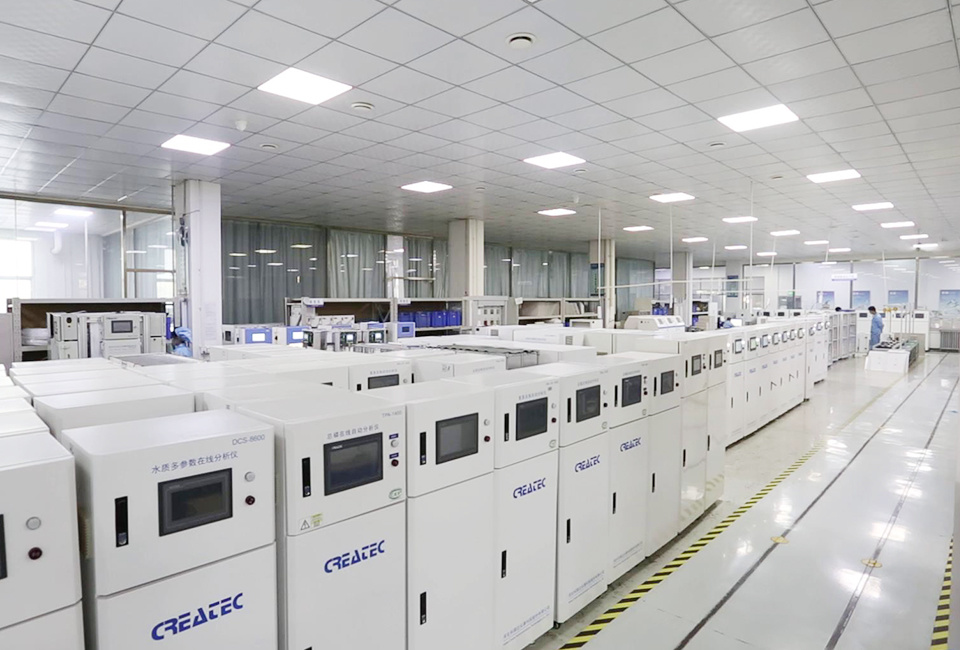
Understanding the Importance of Single Stage RO Controllers in Water Quality Analysis
2026-10-15
In the medical and health sector, the quality of water used in analysis and laboratory processes is paramount. Single Stage RO (Reverse Osmosis) Controllers play a crucial role in maintaining this quality by ensuring that water purification systems operate efficiently and effectively. These controllers are designed to manage the reverse osmosis process, which is essential for producing high-qualit
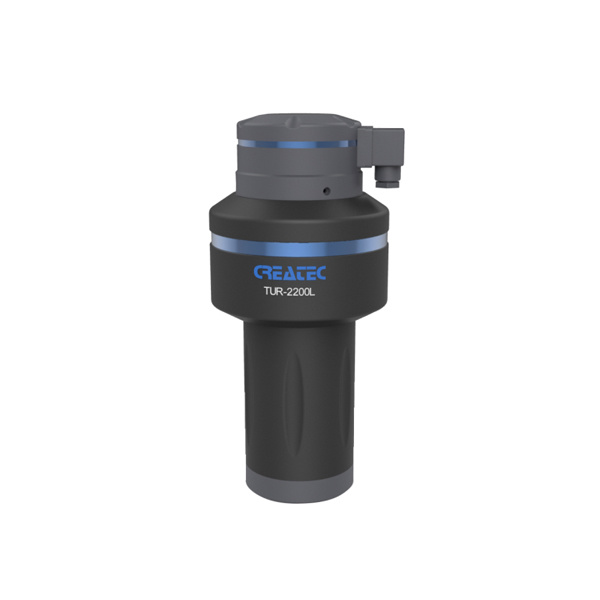
The Future of Water Treatment: Harnessing the Power of Online Turbidity Sensors
2026-10-08
The Future of Water Treatment: Harnessing the Power of Online Turbidity Sensors
Table of Contents
Introduction: The Importance of Water Quality Monitoring
Understanding Turbidity: What It Is and Why It Matters
The Role of Online Turbidity Sensors in Modern Water Treatment
Technology Behind Online Turbidity Sensors: How They Work
Benefits of Using Online Turbidity Sensors in Water Treatment
Applic

Understanding High Turbidity Data Acquisition Terminals in Water Quality Analysis
2026-10-01
---
In the realm of water quality analysis, particularly in the pharmaceutical and healthcare industries, High Turbidity Data Acquisition Terminals are essential tools. These specialized devices are designed to measure and record turbidity levels in water samples, which is a crucial parameter in determining the clarity and quality of water. Turbidity, caused by suspended particles, microorganisms,

CREATEC will be there where there is water
Focus on the independent research and development of online water quality analysis instruments and water environmental protection analysis instruments
ABOUT US
Hebei Create Instrumentation Technologies Co., Ltd. is a national high-tech technology enterprise which is specialized in the water quality online analysis instruments.The founder Hao shuanju was first awarded the national “Automatic Pure Water Monitor” patent in 1988.And entered into the field of water quality online analysis and research.
CONTACT US
Factory :NO.2 Building ,No.368 North Xinshi Road, Shijiazhuang 050091,Hebei Province,China.
Office Address: Block 23, Keying·Zhichuang Valley, Huai'an West Road, Luquan District, Shijiazhuang City
Tel: 86-311-83831058 / 67368592
E-Mail:meter@createc.cn
QUALITY OF SERVICE

Follow us
Learn more about online water quality analysis instruments