
Transforming Water Quality Management with Real-Time Data from Electromagnetic Flow Meters
2026-04-23
Transforming Water Quality Management with Real-Time Data from Electromagnetic Flow Meters
Table of Contents
Introduction to Water Quality Management
The Importance of Real-Time Data in Water Quality
Understanding Electromagnetic Flow Meters
How Electromagnetic Flow Meters Work
Applications of Electromagnetic Flow Meters in Water Quality Management
Benefits of Using El
Transforming Water Quality Management with Real-Time Data from Electromagnetic Flow Meters
Table of Contents
- Introduction to Water Quality Management
- The Importance of Real-Time Data in Water Quality
- Understanding Electromagnetic Flow Meters
- How Electromagnetic Flow Meters Work
- Applications of Electromagnetic Flow Meters in Water Quality Management
- Benefits of Using Electromagnetic Flow Meters
- Challenges in Implementing Electromagnetic Flow Meters
- The Future of Water Quality Management with Real-Time Data
- Frequently Asked Questions
- Conclusion
Introduction to Water Quality Management
Water quality management plays a crucial role in ensuring the safety and sustainability of our water resources. In recent years, the integration of advanced technologies has transformed how we monitor and manage water quality. Among these technologies, **electromagnetic flow meters** have emerged as a game changer, providing real-time data that enhances decision-making processes. This article delves into the significance of real-time data in water quality management, exploring how electromagnetic flow meters revolutionize the field.
The Importance of Real-Time Data in Water Quality
Real-time data is essential for effective water quality management. It enables stakeholders to make informed decisions quickly, addressing issues before they escalate. Here are some key reasons why real-time data is invaluable:
Proactive Issue Identification
With access to real-time data, water quality managers can identify anomalies in water quality parameters promptly. This proactive approach allows for immediate corrective actions, reducing the risk of contamination and ensuring compliance with safety standards.
Enhanced Regulatory Compliance
Governments and regulatory bodies set stringent guidelines for water quality. Real-time monitoring helps organizations meet these requirements consistently, minimizing the risk of penalties and legal issues.
Data-Driven Decision Making
Real-time data empowers decision-makers with accurate insights, enabling them to make data-driven choices. This leads to more effective resource allocation, improved operational efficiency, and better overall management of water resources.
Understanding Electromagnetic Flow Meters
Electromagnetic flow meters are advanced instruments used to measure the flow of conductive fluids. Their principle of operation is based on Faraday's law of electromagnetic induction, which allows for precise flow measurements without the need for moving parts, making them highly reliable for water quality management.
Key Components
Electromagnetic flow meters consist of several key components:
- Electromagnetic Field Generator: Creates a magnetic field across the flow channel.
- Electrodes: Measure the voltage generated as the conductive fluid passes through the magnetic field.
- Controller: Processes the voltage signal to determine the flow rate.
Types of Electromagnetic Flow Meters
There are various designs of electromagnetic flow meters, including:
- Insertion Type: Ideal for retrofitting into existing systems.
- Inline Type: Best for new installations, providing continuous monitoring.
How Electromagnetic Flow Meters Work
Understanding how electromagnetic flow meters function is key to appreciating their role in water quality management. When a conductive liquid flows through the magnetic field generated by the meter, it induces a voltage proportional to the flow velocity. This voltage is then converted into a flow rate measurement by the controller, providing real-time data that can be accessed remotely.
Advantages of Non-Intrusive Measurement
One of the main advantages of electromagnetic flow meters is their non-intrusive measurement capability. Since there are no moving parts, electromagnetic flow meters experience less wear and tear, ensuring longer life spans and lower maintenance costs. This is particularly beneficial in water quality management, where continuous operation is often required.
Applications of Electromagnetic Flow Meters in Water Quality Management
Electromagnetic flow meters have a wide range of applications in water quality management, including:
Municipal Water Supply
In municipal water systems, electromagnetic flow meters monitor water distribution and consumption patterns, ensuring that supply aligns with demand while maintaining water quality standards.
Wastewater Treatment
In wastewater treatment plants, these meters provide critical data on influent and effluent flow rates, helping operators optimize treatment processes and comply with environmental regulations.
Industrial Applications
Industries that rely on water for their processes, such as food and beverage, pharmaceuticals, and textiles, utilize electromagnetic flow meters to ensure consistent water quality and flow rates, minimizing production disruptions.
Benefits of Using Electromagnetic Flow Meters
The adoption of electromagnetic flow meters in water quality management offers numerous benefits:
High Accuracy
Electromagnetic flow meters provide accurate flow measurements, essential for maintaining water quality standards and ensuring compliance with regulatory requirements.
Reduced Operational Costs
These flow meters require minimal maintenance due to their non-intrusive design, leading to lower operational costs over time.
Real-Time Monitoring
The ability to monitor water quality parameters in real-time enhances responsiveness to changes, allowing for timely interventions that protect public health and the environment.
Challenges in Implementing Electromagnetic Flow Meters
While electromagnetic flow meters offer numerous advantages, their implementation is not without challenges:
Initial Cost
The initial investment for purchasing and installing electromagnetic flow meters can be high, especially for small municipalities or organizations.
Calibration Requirements
Regular calibration is necessary to ensure accuracy, which can add to the operational burden.
The Future of Water Quality Management with Real-Time Data
As technology continues to evolve, the role of electromagnetic flow meters in water quality management will only expand. Emerging trends include the integration of **IoT (Internet of Things)** technologies, enabling even greater data analysis and remote monitoring capabilities. This will facilitate more proactive management strategies and improve overall water resource sustainability.
Frequently Asked Questions
1. What is an electromagnetic flow meter?
An electromagnetic flow meter is a device used to measure the flow of conductive liquids by inducing a voltage proportional to the flow velocity as the liquid passes through a magnetic field.
2. How do electromagnetic flow meters benefit water quality management?
They provide accurate, real-time flow measurements, allowing for better decision-making, regulatory compliance, and proactive issue resolution in water quality management.
3. Are electromagnetic flow meters suitable for wastewater applications?
Yes, they are widely used in wastewater treatment facilities to monitor influent and effluent flow rates, ensuring effective treatment and compliance with environmental regulations.
4. What challenges are associated with using electromagnetic flow meters?
Challenges include the initial investment cost, the need for regular calibration, and potential issues with the conductivity of the fluid being measured.
5. How can IoT technology enhance the use of electromagnetic flow meters?
IoT technology can enable remote monitoring, data analysis, and integration with other systems, providing deeper insights into water quality management and facilitating real-time decision-making.
Conclusion
The integration of **electromagnetic flow meters** into water quality management represents a significant advancement in how we monitor and manage our water resources. By providing real-time data, these instruments empower stakeholders to make informed decisions, enhance operational efficiency, and ensure compliance with stringent water quality standards. As we look to the future, the continued evolution of this technology, particularly through the integration of IoT solutions, promises to further improve water quality management practices, ensuring a sustainable and secure water future for all.
Insert Electromagnetic Flow Meter
RELATED NEWS
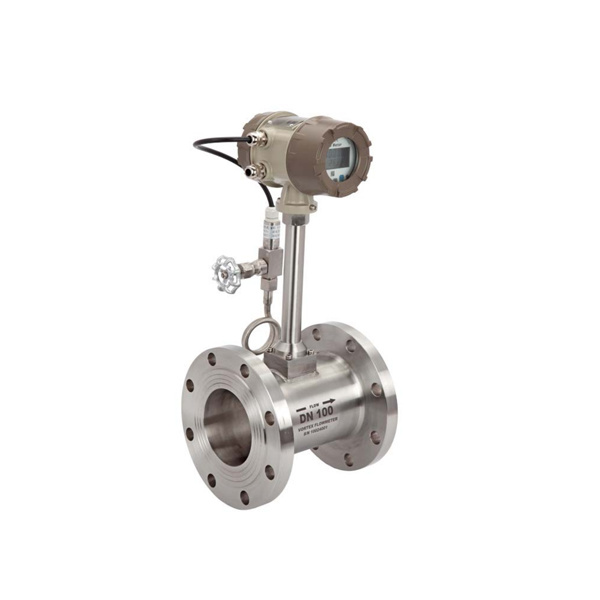
Understanding Vorex Flow Meters: A Comprehensive Guide to Flow Measurement
2026-09-03
Flow measurement is an essential aspect of various industries, from water treatment to chemical manufacturing and beyond. One device that stands out in this field is the Vorex flow meter. These instruments are designed to accurately gauge the flow rate of liquids and gases, ensuring that processes operate smoothly and efficiently.
A Vorex flow meter typically operates on the principle of measuring

How Acrylic Flow Meters Enhance Efficiency in Fluid Dynamics
2026-08-27
How Acrylic Flow Meters Enhance Efficiency in Fluid Dynamics
Table of Contents
1. Introduction to Acrylic Flow Meters
2. Understanding Fluid Dynamics
3. The Importance of Accurate Flow Measurement
4. Benefits of Acrylic Flow Meters
5. Applications of Acrylic Flow Meters in Various Industries
6. How Acrylic Flow Meters Work
7. Choosing the Right Acrylic Flow Meter
8

Understanding Durable Plastic Tube Type Flowmeters: A Comprehensive Guide
2026-08-20
Durable plastic tube type flowmeters are essential instruments in the measurement of fluid dynamics, prominently used in various industries including chemical processing, water treatment, and food production. These flowmeters are designed to provide accurate flow measurement while ensuring durability and reliability in diverse applications.
One of the primary advantages of durable plastic tube ty

CREATEC will be there where there is water
Focus on the independent research and development of online water quality analysis instruments and water environmental protection analysis instruments
ABOUT US
Hebei Create Instrumentation Technologies Co., Ltd. is a national high-tech technology enterprise which is specialized in the water quality online analysis instruments.The founder Hao shuanju was first awarded the national “Automatic Pure Water Monitor” patent in 1988.And entered into the field of water quality online analysis and research.
CONTACT US
Factory :NO.2 Building ,No.368 North Xinshi Road, Shijiazhuang 050091,Hebei Province,China.
Office Address: Block 23, Keying·Zhichuang Valley, Huai'an West Road, Luquan District, Shijiazhuang City
Tel: 86-311-83831058 / 67368592
E-Mail:meter@createc.cn
QUALITY OF SERVICE

Follow us
Learn more about online water quality analysis instruments