
Exploring Advanced Technology: Features of Ultrasonic Open Channel Flow Meters
2026-04-09
Exploring Advanced Technology: Features of Ultrasonic Open Channel Flow Meters
Table of Contents
Introduction to Ultrasonic Open Channel Flow Meters
Understanding Ultrasonic Technology
Key Features of Ultrasonic Flow Meters
Advantages of Using Ultrasonic Flow Meters
Applications in Different Industries
Installation and Maintenance of Ultrasonic Flow Meters
Choosing the Right Ultrasonic Flow Meter
Exploring Advanced Technology: Features of Ultrasonic Open Channel Flow Meters
Table of Contents
- Introduction to Ultrasonic Open Channel Flow Meters
- Understanding Ultrasonic Technology
- Key Features of Ultrasonic Flow Meters
- Advantages of Using Ultrasonic Flow Meters
- Applications in Different Industries
- Installation and Maintenance of Ultrasonic Flow Meters
- Choosing the Right Ultrasonic Flow Meter
- Future Trends in Flow Measurement Technology
- Frequently Asked Questions
- Conclusion
Introduction to Ultrasonic Open Channel Flow Meters
Ultrasonic open channel flow meters have emerged as pivotal instruments in the accurate measurement of liquid flow. These **advanced devices** utilize ultrasonic technology to provide precise flow data in channels where traditional flow measurement methods may falter. Whether used in wastewater treatment plants, rivers, or irrigation systems, ultrasonic flow meters offer unparalleled efficiency and accuracy. In this article, we will explore the salient features and benefits of these remarkable instruments, helping you understand their role in various applications.
Understanding Ultrasonic Technology
Ultrasonic technology operates by sending sound waves through a medium—in this case, liquid. When the sound waves encounter a moving liquid, they are reflected back to the sensor. The time it takes for the sound waves to return is measured and converted into flow rate data. This non-invasive technique ensures minimal disruption to the flow and environmental integrity.
The Principle of Operation
The fundamental principle behind ultrasonic flow meters is the **Doppler effect** and **time-of-flight** measurement. In a Doppler setup, sound waves reflect off particles in the liquid, allowing for flow velocity calculation. Conversely, time-of-flight meters measure the time difference between upstream and downstream sound waves, providing a robust solution for flow measurement in open channels.
Key Features of Ultrasonic Flow Meters
Ultrasonic open channel flow meters boast numerous features that enhance their functionality and effectiveness.
1. Non-Contact Measurement
One of the most significant advantages of ultrasonic flow meters is their non-contact measurement capability. This feature minimizes wear and tear, extending the lifespan of the device while ensuring accurate readings.
2. High Accuracy and Reliability
Ultrasonic flow meters are renowned for their high accuracy rates, often exceeding ±1% of the measured value. This precision is critical in applications where flow rates can significantly impact operational efficiency.
3. Wide Measurement Range
These instruments can measure a vast range of flow rates, making them suitable for diverse applications—from small channels to large open bodies of water.
4. User-Friendly Interfaces
Modern ultrasonic flow meters are equipped with intuitive user interfaces that allow for easy data interpretation and monitoring. Advanced models even offer remote access capabilities for real-time monitoring.
5. Data Logging and Communication
Many ultrasonic flow meters feature built-in data logging capabilities, enabling users to track historical flow data. They also support various communication protocols, facilitating integration with other systems.
Advantages of Using Ultrasonic Flow Meters
Employing ultrasonic open channel flow meters comes with numerous advantages that benefit industries and environmental monitoring.
1. Cost-Effectiveness
While the initial investment may be higher than traditional flow meters, the long-term savings from reduced maintenance costs and improved accuracy make ultrasonic flow meters a cost-effective choice.
2. Reduced Maintenance Requirements
With no moving parts and a non-invasive measurement process, ultrasonic meters require significantly less maintenance than mechanical flow meters. This reduces downtime and operational costs.
3. Versatile Applications
Ultrasonic flow meters can be used in various environments, including water treatment facilities, irrigation systems, and even in industrial applications where liquid flow measurement is critical. Their versatility makes them an essential tool across multiple sectors.
4. Environmental Benefits
By providing accurate flow measurements, ultrasonic flow meters help optimize water management, reducing waste and promoting sustainable practices in industries such as agriculture and wastewater treatment.
Applications in Different Industries
Ultrasonic open channel flow meters find applications across various industries, each benefiting from their unique features.
1. Water and Wastewater Management
In water treatment plants, ultrasonic flow meters are crucial for monitoring flow rates, ensuring compliance with environmental regulations, and optimizing treatment processes.
2. Environmental Monitoring
For environmental agencies, accurately measuring water flow in rivers and lakes is essential for ecological studies and managing water resources effectively.
3. Agricultural Irrigation
Farmers utilize ultrasonic flow meters to monitor irrigation systems, ensuring efficient water usage and promoting sustainable agricultural practices.
4. Industrial Processes
In the industrial sector, these meters are used to monitor flow in cooling systems, chemical processing, and other applications where precise flow measurement is vital for operational efficiency.
Installation and Maintenance of Ultrasonic Flow Meters
Proper installation and maintenance are crucial for ensuring the optimal performance of ultrasonic flow meters.
1. Installation Guidelines
Installing an ultrasonic flow meter requires careful consideration of flow conditions and channel design. It’s essential to follow the manufacturer’s guidelines for placement to ensure accurate readings. The meter should be installed in a straight section of the channel, away from obstructions that could disrupt flow.
2. Regular Calibration
To maintain accuracy, regular calibration of ultrasonic flow meters is necessary. Depending on usage and environmental conditions, calibration should be conducted at least annually or more frequently if significant changes in flow conditions occur.
3. Routine Maintenance
While ultrasonic flow meters require minimal maintenance, routine inspections to check for debris, sensor cleanliness, and electronic functionality are essential for sustained performance.
Choosing the Right Ultrasonic Flow Meter
Selecting the appropriate ultrasonic flow meter involves considering several factors:
1. Flow Characteristics
Understanding the specific flow characteristics of your application, including flow velocity, channel dimensions, and liquid type, is vital for selecting the right meter.
2. Environmental Conditions
Consider environmental factors such as temperature, pressure, and the presence of contaminants that may affect the flow measurement process.
3. Required Features
Evaluate the features that are most important for your application, such as data logging capabilities, communication options, and user interface preferences.
Future Trends in Flow Measurement Technology
The field of flow measurement technology is continually evolving.
1. Integration of IoT and Smart Technology
The integration of Internet of Things (IoT) technology allows for real-time monitoring and data analysis, enhancing operational efficiency and decision-making capabilities.
2. Enhanced Data Analytics
Advancements in data analytics will enable more sophisticated interpretations of flow data, empowering industries to optimize processes and improve resource management.
3. Sustainable Practices
As industries increasingly focus on sustainability, the demand for accurate flow measurement will continue to grow, driving innovation in ultrasonic flow meter technology.
Frequently Asked Questions
1. What is the primary advantage of ultrasonic flow meters over mechanical flow meters?
Ultrasonic flow meters have no moving parts, resulting in lower maintenance requirements and higher accuracy over time compared to mechanical flow meters.
2. Can ultrasonic flow meters measure both clean and dirty water?
Yes, ultrasonic flow meters can effectively measure both clean and dirty water, although maintenance may be required more frequently in dirty water applications.
3. How do I calibrate an ultrasonic flow meter?
Calibration procedures vary by manufacturer but typically involve comparing the flow readings to a known standard and adjusting the settings to match.
4. What types of channels can ultrasonic flow meters be used in?
Ultrasonic flow meters can be used in various channels, including open channels, partially full pipes, and weirs in wastewater treatment and environmental monitoring.
5. Are ultrasonic flow meters suitable for all types of liquids?
While ultrasonic flow meters are versatile, they work best with liquids that have some level of turbidity or particles to reflect sound waves. Highly turbulent or viscous liquids may require specialized sensors.
Conclusion
Ultrasonic open channel flow meters represent a significant advancement in flow measurement technology, providing high accuracy, versatility, and reduced maintenance requirements. Their application across various industries underscores their importance in water management, environmental monitoring, and industrial processes. As technology continues to evolve, ultrasonic flow meters will play a crucial role in optimizing operations and promoting sustainable practices. By understanding their features and applications, industries can harness the full potential of these innovative instruments, ensuring efficient and accurate flow measurement for years to come.
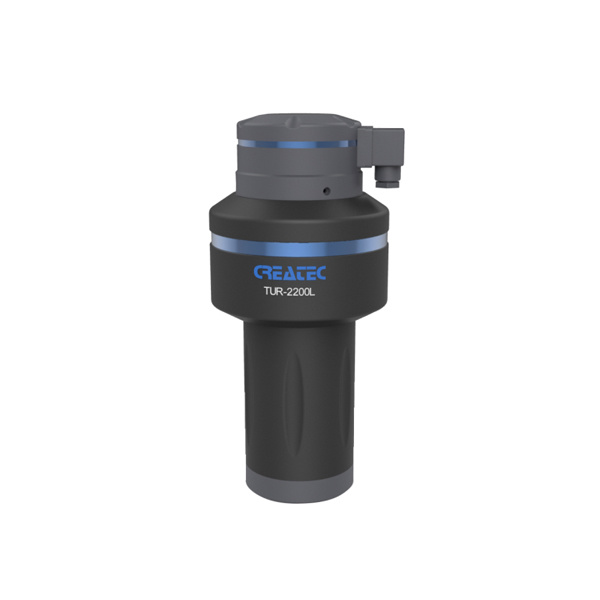
Ultrasonic Open Channel Flow Meter
RELATED NEWS

Understanding the Importance of Single Stage RO Controllers in Water Quality Analysis
2026-10-15
In the medical and health sector, the quality of water used in analysis and laboratory processes is paramount. Single Stage RO (Reverse Osmosis) Controllers play a crucial role in maintaining this quality by ensuring that water purification systems operate efficiently and effectively. These controllers are designed to manage the reverse osmosis process, which is essential for producing high-qualit
The Future of Water Treatment: Harnessing the Power of Online Turbidity Sensors
2026-10-08
The Future of Water Treatment: Harnessing the Power of Online Turbidity Sensors
Table of Contents
Introduction: The Importance of Water Quality Monitoring
Understanding Turbidity: What It Is and Why It Matters
The Role of Online Turbidity Sensors in Modern Water Treatment
Technology Behind Online Turbidity Sensors: How They Work
Benefits of Using Online Turbidity Sensors in Water Treatment
Applic

Understanding High Turbidity Data Acquisition Terminals in Water Quality Analysis
2026-10-01
---
In the realm of water quality analysis, particularly in the pharmaceutical and healthcare industries, High Turbidity Data Acquisition Terminals are essential tools. These specialized devices are designed to measure and record turbidity levels in water samples, which is a crucial parameter in determining the clarity and quality of water. Turbidity, caused by suspended particles, microorganisms,

CREATEC will be there where there is water
Focus on the independent research and development of online water quality analysis instruments and water environmental protection analysis instruments
ABOUT US
Hebei Create Instrumentation Technologies Co., Ltd. is a national high-tech technology enterprise which is specialized in the water quality online analysis instruments.The founder Hao shuanju was first awarded the national “Automatic Pure Water Monitor” patent in 1988.And entered into the field of water quality online analysis and research.
CONTACT US
Factory :NO.2 Building ,No.368 North Xinshi Road, Shijiazhuang 050091,Hebei Province,China.
Office Address: Block 23, Keying·Zhichuang Valley, Huai'an West Road, Luquan District, Shijiazhuang City
Tel: 86-311-83831058 / 67368592
E-Mail:meter@createc.cn
QUALITY OF SERVICE

Follow us
Learn more about online water quality analysis instruments