
Streamlining Water Treatment Processes with Advanced Sensors: Enhancing Efficiency and Reliability
2025-12-18
Streamlining Water Treatment Processes with Advanced Sensors
Introduction to Advanced Sensors in Water Treatment
In recent years, water treatment processes have evolved significantly, leveraging technological advancements to enhance efficiency and reliability. **Advanced sensors** play a pivotal role in this transformation, providing real-time data that facilitates informed decision-making and imp
Streamlining Water Treatment Processes with Advanced Sensors
Introduction to Advanced Sensors in Water Treatment
In recent years, water treatment processes have evolved significantly, leveraging technological advancements to enhance efficiency and reliability. **Advanced sensors** play a pivotal role in this transformation, providing real-time data that facilitates informed decision-making and improved operational efficiency. This article explores the various types of sensors, their applications in water quality analysis, and the future of water treatment technology.
The Importance of Water Quality Management
Maintaining high water quality is essential for public health and environmental sustainability. Effective water treatment processes mitigate contaminants, ensuring that water meets safety standards for consumption and ecological balance. Advanced sensors provide critical data, allowing operators to monitor treatment effectiveness and respond swiftly to fluctuations in water quality.
Types of Advanced Sensors Used in Water Treatment
Several types of sensors are integral to modern water treatment facilities, each serving distinct purposes:
1. pH Sensors
**pH sensors** measure the acidity or alkalinity of water, which is crucial for maintaining optimal conditions for chemical treatment processes. These sensors enable operators to adjust chemical dosages accurately, ensuring that the treatment process is both effective and economical.
2. Turbidity Sensors
**Turbidity sensors** assess the clarity of water by measuring the scattering of light caused by suspended particles. High turbidity levels indicate potential contamination, prompting immediate action to ensure water safety.
3. Dissolved Oxygen Sensors
**Dissolved oxygen (DO) sensors** are vital for assessing the oxygen levels in water, particularly in biological treatment processes. These sensors ensure that microorganisms have sufficient oxygen to break down organic matter, optimizing the efficiency of biological reactors.
4. Conductivity Sensors
**Conductivity sensors** measure the total dissolved solids (TDS) in water, providing insights into the ionic composition of the water. This data is essential for compliance with environmental regulations and helps in the optimization of chemical treatments.
5. Nitrate and Phosphate Sensors
**Nitrate and phosphate sensors** monitor nutrient levels in water, which are critical for preventing algal blooms and maintaining ecological balance in water bodies. These sensors enable proactive measures to manage nutrient loading.
Integrating Advanced Sensors into Water Treatment Processes
Implementing advanced sensors in water treatment facilities offers numerous advantages, including enhanced data accuracy, increased operational efficiency, and improved regulatory compliance. Here’s how to effectively integrate these technologies:
1. Conducting a Needs Assessment
Before integrating advanced sensors, it is crucial to conduct a comprehensive needs assessment. Identify specific challenges in your current processes that sensors can address, such as inconsistent water quality or high operational costs.
2. Selecting the Right Sensors
Choose sensors based on their compatibility with your existing systems and the specific parameters you need to monitor. Consider factors such as sensitivity, response time, and calibration requirements.
3. Training Staff on Sensor Operations
Proper training is vital for maximizing the benefits of advanced sensors. Ensure that staff members are well-versed in operating and maintaining sensor equipment, as well as interpreting the data generated.
4. Establishing Data Management Protocols
Implement data management protocols to ensure that sensor data is accurately recorded, analyzed, and utilized for decision-making. This may involve integrating sensor data with existing management software for comprehensive analysis.
5. Continuous Monitoring and Calibration
Regular monitoring and calibration of sensors are essential for maintaining accuracy. Establish a routine maintenance schedule to ensure that sensors function properly and provide reliable data over time.
Benefits of Advanced Sensors in Water Treatment
The adoption of advanced sensors in water treatment processes yields several benefits, enhancing operational efficiency and water quality management.
1. Real-Time Data for Informed Decision-Making
Advanced sensors provide real-time data, enabling operators to make informed decisions quickly. This immediacy allows for prompt adjustments to treatment processes, reducing the risk of violations of water quality standards.
2. Improved Compliance with Regulatory Standards
With enhanced monitoring capabilities, water treatment facilities can ensure compliance with stringent regulatory standards. Accurate data helps demonstrate adherence to environmental regulations, reducing the likelihood of penalties.
3. Cost Savings Through Operational Efficiency
By optimizing treatment processes, advanced sensors contribute to cost savings. Accurate data minimizes chemical use, reduces energy consumption, and lowers maintenance costs associated with equipment failures.
4. Enhanced Public Health Protection
Ensuring high water quality directly impacts public health. Advanced sensors help identify potential contaminants early, allowing for proactive measures to safeguard community health.
5. Environmental Sustainability
Advanced sensors play a critical role in promoting environmental sustainability. By monitoring and managing nutrient levels, they help prevent pollution and protect aquatic ecosystems.
Challenges in Implementing Advanced Sensor Technology
Despite the numerous benefits, the integration of advanced sensors in water treatment processes can present challenges.
1. Initial Investment Costs
The upfront costs associated with purchasing and installing advanced sensors can be significant. However, the long-term savings and operational efficiencies often justify this initial investment.
2. Data Overload
The volume of data generated by advanced sensors can be overwhelming. Facilities must establish effective data management strategies to ensure that valuable insights are extracted and utilized efficiently.
3. Technical Expertise Requirements
Operating advanced sensors requires specialized knowledge. This may necessitate additional training for staff or hiring new personnel with the required expertise.
4. Maintenance and Calibration Challenges
Regular maintenance and calibration are crucial for sensor accuracy. Facilities must allocate resources for routine checks to avoid disruptions in monitoring capabilities.
The Future of Water Treatment with Advanced Sensors
As technology continues to advance, the future of water treatment processes looks promising. Emerging trends include:
1. Integration with IoT Technology
The Internet of Things (IoT) is poised to revolutionize water treatment by enabling seamless communication between sensors and treatment systems. This will allow for more automated and efficient operations.
2. Enhanced Data Analytics
The development of advanced data analytics tools will enable facilities to derive deeper insights from sensor data. Predictive analytics may also allow for proactive management of water quality issues.
3. Adoption of Remote Monitoring Solutions
Remote monitoring technologies will facilitate real-time oversight of water treatment processes from anywhere, enhancing responsiveness and reducing the need for on-site personnel.
4. Sustainable Practices through Smart Sensors
As environmental concerns grow, the demand for **smart sensors** that emphasize sustainability will increase. These sensors will focus on minimizing chemical usage and enhancing energy efficiency.
Conclusion
In an era where water quality management is paramount, **advanced sensors** have emerged as indispensable tools in streamlining water treatment processes. By providing real-time data and enhancing operational efficiency, these technologies not only improve compliance and protect public health but also contribute to broader environmental sustainability efforts. As we look to the future, the integration of advanced sensor technology will continue to reshape water treatment, ensuring our water resources are managed effectively and sustainably for generations to come.
Frequently Asked Questions (FAQs)
1. What are advanced sensors in water treatment?
Advanced sensors are specialized devices used to monitor various parameters of water quality, such as pH, turbidity, dissolved oxygen, and nutrient levels, providing real-time data to optimize treatment processes.
2. How do pH sensors contribute to water treatment?
pH sensors help maintain the appropriate acidity or alkalinity levels in water, ensuring that chemical treatments are effective and cost-efficient.
3. What are the benefits of implementing advanced sensors in water treatment facilities?
Benefits include real-time data for informed decision-making, improved regulatory compliance, cost savings, enhanced public health protection, and increased environmental sustainability.
4. What challenges may arise when integrating advanced sensors?
Challenges can include initial investment costs, data overload, the need for technical expertise, and maintenance requirements.
5. How will technology shape the future of water treatment?
Emerging technologies, such as IoT integration, enhanced data analytics, and remote monitoring solutions, will transform water treatment processes, making them more efficient and sustainable.
Digital Laser Turbidity online analysis sensor
RELATED NEWS
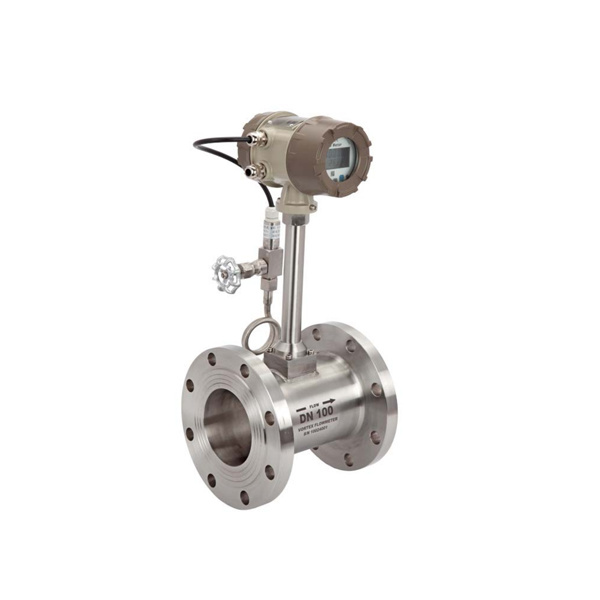
Understanding Vorex Flow Meters: A Comprehensive Guide to Flow Measurement
2026-09-03
Flow measurement is an essential aspect of various industries, from water treatment to chemical manufacturing and beyond. One device that stands out in this field is the Vorex flow meter. These instruments are designed to accurately gauge the flow rate of liquids and gases, ensuring that processes operate smoothly and efficiently.
A Vorex flow meter typically operates on the principle of measuring

How Acrylic Flow Meters Enhance Efficiency in Fluid Dynamics
2026-08-27
How Acrylic Flow Meters Enhance Efficiency in Fluid Dynamics
Table of Contents
1. Introduction to Acrylic Flow Meters
2. Understanding Fluid Dynamics
3. The Importance of Accurate Flow Measurement
4. Benefits of Acrylic Flow Meters
5. Applications of Acrylic Flow Meters in Various Industries
6. How Acrylic Flow Meters Work
7. Choosing the Right Acrylic Flow Meter
8

Understanding Durable Plastic Tube Type Flowmeters: A Comprehensive Guide
2026-08-20
Durable plastic tube type flowmeters are essential instruments in the measurement of fluid dynamics, prominently used in various industries including chemical processing, water treatment, and food production. These flowmeters are designed to provide accurate flow measurement while ensuring durability and reliability in diverse applications.
One of the primary advantages of durable plastic tube ty

CREATEC will be there where there is water
Focus on the independent research and development of online water quality analysis instruments and water environmental protection analysis instruments
ABOUT US
Hebei Create Instrumentation Technologies Co., Ltd. is a national high-tech technology enterprise which is specialized in the water quality online analysis instruments.The founder Hao shuanju was first awarded the national “Automatic Pure Water Monitor” patent in 1988.And entered into the field of water quality online analysis and research.
CONTACT US
Factory :NO.2 Building ,No.368 North Xinshi Road, Shijiazhuang 050091,Hebei Province,China.
Office Address: Block 23, Keying·Zhichuang Valley, Huai'an West Road, Luquan District, Shijiazhuang City
Tel: 86-311-83831058 / 67368592
E-Mail:meter@createc.cn
QUALITY OF SERVICE

Follow us
Learn more about online water quality analysis instruments