
The Science Behind Acrylic Flow Meters: A Comprehensive Guide to Understanding Their Functionality
2025-11-06
The Science Behind Acrylic Flow Meters: Understanding Their Functionality
Table of Contents
1. Introduction to Acrylic Flow Meters
2. What is an Acrylic Flow Meter?
3. How Do Acrylic Flow Meters Work?
4. Applications of Acrylic Flow Meters
5. Advantages of Using Acrylic Flow Meters
6. Maintenance and Care for Acrylic Flow Meters
7. Common Issues and Troubleshooting Tip
The Science Behind Acrylic Flow Meters: Understanding Their Functionality
Table of Contents
- 1. Introduction to Acrylic Flow Meters
- 2. What is an Acrylic Flow Meter?
- 3. How Do Acrylic Flow Meters Work?
- 4. Applications of Acrylic Flow Meters
- 5. Advantages of Using Acrylic Flow Meters
- 6. Maintenance and Care for Acrylic Flow Meters
- 7. Common Issues and Troubleshooting Tips
- 8. The Future of Acrylic Flow Meters
- 9. Frequently Asked Questions
- 10. Conclusion
1. Introduction to Acrylic Flow Meters
Acrylic flow meters are essential devices that provide accurate measurements of fluid flow in various applications. Whether in laboratory settings or industrial processes, these instruments are critical for ensuring the efficiency and effectiveness of operations. The purpose of this article is to delve into the science behind acrylic flow meters, exploring their functionality, advantages, and maintenance practices.
2. What is an Acrylic Flow Meter?
An acrylic flow meter is a type of flow measurement device made from acrylic material, known for its durability and clarity. These flow meters measure the flow rate of liquids and gases by utilizing principles of fluid dynamics and pressure differentials. The transparent nature of acrylic allows users to visually monitor the flow, while the internal mechanisms provide precise measurements.
The Structure of an Acrylic Flow Meter
Acrylic flow meters typically consist of the following components:
- **Flow tube**: The main body where the fluid flows.
- **Float**: A device that moves within the flow tube, indicating the flow rate.
- **Scale**: Markings on the tube that allow users to read the flow rate.
3. How Do Acrylic Flow Meters Work?
The functionality of acrylic flow meters is based on the principle of buoyancy and fluid dynamics. As fluid flows through the meter, it passes around a float that rises or falls depending on the flow rate. The position of the float correlates directly with the flow rate, which is indicated on a calibrated scale.
The Role of Buoyancy
The float inside the acrylic tube experiences buoyant force, which is balanced against the gravitational force acting on it. When the flow rate increases, the float rises higher due to the increased velocity of the fluid. Conversely, when the flow slows, the float descends. This movement is then translated into a measurement on the scale.
Flow Rate Calculation
The flow rate can be calculated using the following formula:
**Flow Rate (Q) = Area of the float (A) × Velocity of fluid (V)**
This relationship helps in determining the flow rate based on the diameter of the flow tube and the speed of the liquid or gas traveling through it.
4. Applications of Acrylic Flow Meters
Acrylic flow meters are versatile instruments with applications across various industries. Some of the most common uses include:
Laboratory Research
In laboratory settings, acrylic flow meters are employed for precise measurement of liquids and gases in experiments, ensuring accurate results.
Water Treatment
These devices are crucial in water treatment facilities for monitoring the flow rates of water and chemicals, contributing to effective treatment processes.
Pharmaceutical Manufacturing
In the pharmaceutical industry, acrylic flow meters help ensure the accurate mixing of components in drug formulation processes, maintaining consistent product quality.
Food and Beverage Industry
Flow meters play a vital role in the food and beverage industry, where they are used to monitor the flow of ingredients, ensuring compliance with safety regulations and maintaining quality.
5. Advantages of Using Acrylic Flow Meters
The use of acrylic flow meters presents several advantages, making them a popular choice in various applications.
1. Clarity and Visibility
The transparency of acrylic enables direct visual inspection of the flow process, allowing for real-time monitoring without requiring additional tools.
2. Cost-Effectiveness
Acrylic flow meters are often more affordable than alternative materials such as glass or metal, making them an economical choice for many businesses.
3. Lightweight and Portable
Acrylic is a lightweight material, which makes these flow meters easy to handle and install, particularly in applications where portability is essential.
4. Resistance to Corrosion
Unlike metal flow meters, acrylic is resistant to corrosion, making it suitable for use with a wide range of fluids, including aggressive chemicals.
5. Ease of Maintenance
Acrylic flow meters are relatively easy to clean and maintain, ensuring optimal performance over time. This characteristic is crucial in industries that require high levels of hygiene.
6. Maintenance and Care for Acrylic Flow Meters
Proper maintenance of acrylic flow meters is essential to ensure their longevity and accuracy. Here are some key maintenance practices:
Regular Cleaning
To maintain visibility and prevent contamination, clean the flow tube regularly with a mild detergent and a soft cloth. Avoid abrasive materials that could scratch the surface.
Calibration Checks
Regularly calibrate the flow meter to ensure accuracy. This involves comparing the readings of the flow meter with a known standard.
Inspect for Damage
Periodically inspect the flow meter for any signs of wear, cracks, or leaks. Addressing these issues promptly can prevent further damage.
7. Common Issues and Troubleshooting Tips
Even with proper maintenance, users may encounter issues with acrylic flow meters. Here are some common problems and their solutions:
1. Inaccurate Readings
If the flow meter provides inaccurate readings, check for blockages in the flow tube and ensure that the float is not stuck.
2. Float Sticking
If the float is not moving freely, inspect for debris or build-up within the flow tube. Cleaning the interior can usually resolve this issue.
3. Cracks or Leaks
Visible cracks or leaks in the acrylic can lead to fluid escape and inaccurate measurements. Replace the flow meter if damaged beyond repair.
8. The Future of Acrylic Flow Meters
The evolution of acrylic flow meter technology shows promising advancements. With the integration of smart technology, such as IoT connectivity, future flow meters will likely offer enhanced data analysis and remote monitoring capabilities. These innovations will enable users to optimize flow management and increase operational efficiency.
9. Frequently Asked Questions
What are the main materials used in flow meters?
Flow meters can be made from various materials, including acrylic, glass, stainless steel, and plastic. Each material has its unique benefits depending on the application.
How do you read an acrylic flow meter?
To read an acrylic flow meter, simply observe the position of the float against the calibrated scale on the flow tube. The level at which the float is resting indicates the flow rate.
Can acrylic flow meters be used for viscous fluids?
Acrylic flow meters are primarily designed for low-viscosity fluids. However, specific models are available for higher viscosity applications.
Are acrylic flow meters suitable for outdoor use?
While acrylic flow meters are durable, prolonged exposure to UV light can affect the material's integrity. It’s best to use them in shaded or controlled environments.
How often should acrylic flow meters be calibrated?
Calibration frequency depends on the application and usage conditions. It’s generally recommended to calibrate at least once a year or before critical measurements.
10. Conclusion
In conclusion, acrylic flow meters are indispensable tools in various industries, providing accurate and reliable measurements of fluid flow. Their unique properties, such as clarity, cost-effectiveness, and lightweight design, make them an ideal choice for many applications. Understanding their functionality, maintenance requirements, and troubleshooting tips can help users maximize their benefits. As technology evolves, acrylic flow meters will continue to play a pivotal role in optimizing fluid management and enhancing operational efficiencies across multiple sectors.
Acrylic Flow Meter
RELATED NEWS
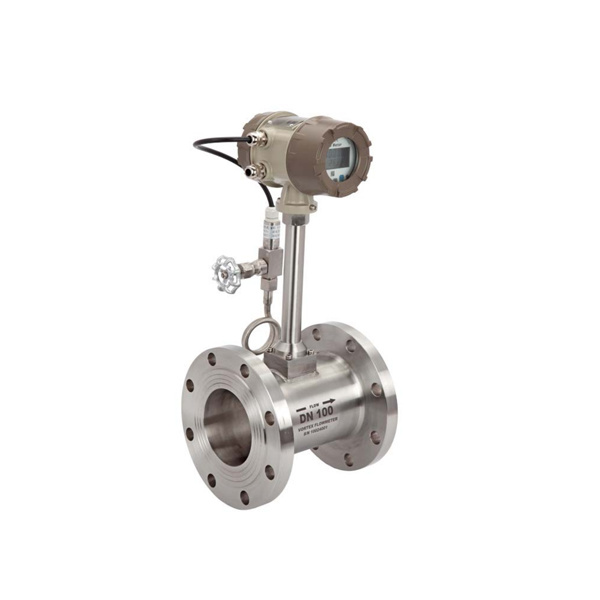
Understanding Vorex Flow Meters: A Comprehensive Guide to Flow Measurement
2026-09-03
Flow measurement is an essential aspect of various industries, from water treatment to chemical manufacturing and beyond. One device that stands out in this field is the Vorex flow meter. These instruments are designed to accurately gauge the flow rate of liquids and gases, ensuring that processes operate smoothly and efficiently.
A Vorex flow meter typically operates on the principle of measuring

How Acrylic Flow Meters Enhance Efficiency in Fluid Dynamics
2026-08-27
How Acrylic Flow Meters Enhance Efficiency in Fluid Dynamics
Table of Contents
1. Introduction to Acrylic Flow Meters
2. Understanding Fluid Dynamics
3. The Importance of Accurate Flow Measurement
4. Benefits of Acrylic Flow Meters
5. Applications of Acrylic Flow Meters in Various Industries
6. How Acrylic Flow Meters Work
7. Choosing the Right Acrylic Flow Meter
8

Understanding Durable Plastic Tube Type Flowmeters: A Comprehensive Guide
2026-08-20
Durable plastic tube type flowmeters are essential instruments in the measurement of fluid dynamics, prominently used in various industries including chemical processing, water treatment, and food production. These flowmeters are designed to provide accurate flow measurement while ensuring durability and reliability in diverse applications.
One of the primary advantages of durable plastic tube ty

CREATEC will be there where there is water
Focus on the independent research and development of online water quality analysis instruments and water environmental protection analysis instruments
ABOUT US
Hebei Create Instrumentation Technologies Co., Ltd. is a national high-tech technology enterprise which is specialized in the water quality online analysis instruments.The founder Hao shuanju was first awarded the national “Automatic Pure Water Monitor” patent in 1988.And entered into the field of water quality online analysis and research.
CONTACT US
Factory :NO.2 Building ,No.368 North Xinshi Road, Shijiazhuang 050091,Hebei Province,China.
Office Address: Block 23, Keying·Zhichuang Valley, Huai'an West Road, Luquan District, Shijiazhuang City
Tel: 86-311-83831058 / 67368592
E-Mail:meter@createc.cn
QUALITY OF SERVICE

Follow us
Learn more about online water quality analysis instruments