
Optimizing Water Management: The Role of Ultrasonic Open Channel Flow Meters
2025-09-25
Optimizing Water Management: The Role of Ultrasonic Open Channel Flow Meters
Table of Contents
1. Introduction to Water Management and Flow Measurement
2. The Importance of Effective Water Management
3. What Are Ultrasonic Open Channel Flow Meters?
4. How Ultrasonic Open Channel Flow Meters Work
5. Advantages of Using Ultrasonic Flow Meters
6. Applications of Ultrasonic Op
Optimizing Water Management: The Role of Ultrasonic Open Channel Flow Meters
Table of Contents
- 1. Introduction to Water Management and Flow Measurement
- 2. The Importance of Effective Water Management
- 3. What Are Ultrasonic Open Channel Flow Meters?
- 4. How Ultrasonic Open Channel Flow Meters Work
- 5. Advantages of Using Ultrasonic Flow Meters
- 6. Applications of Ultrasonic Open Channel Flow Meters in Water Management
- 7. Challenges and Considerations in Using Ultrasonic Flow Meters
- 8. Future Trends in Water Management Technology
- 9. Frequently Asked Questions
- 10. Conclusion
1. Introduction to Water Management and Flow Measurement
Water management is a critical discipline that ensures the sustainable use of water resources. As global populations grow and urbanization increases, the importance of effective water management becomes paramount. Accurate flow measurement is fundamental to this process, as it provides the data necessary for informed decision-making and resource allocation. Ultrasonic open channel flow meters have emerged as one of the most effective tools for achieving these goals.
2. The Importance of Effective Water Management
Effective water management is essential for various reasons, including:
- **Sustainability**: Proper management helps preserve the environment and reduces the risk of water scarcity.
- **Public Health**: Clean and well-managed water supplies are crucial for public health, preventing waterborne diseases.
- **Economic Efficiency**: Optimizing water use can lead to significant cost savings for industries and municipalities.
The integration of innovative technologies, such as ultrasonic flow meters, plays a vital role in enhancing these management practices.
3. What Are Ultrasonic Open Channel Flow Meters?
Ultrasonic open channel flow meters are devices used to measure the flow of water in open channels, such as rivers, ditches, and waste treatment facilities. They employ ultrasonic technology to determine the velocity of the water and calculate flow rates based on the channel's cross-sectional area. These meters are renowned for their accuracy, reliability, and ease of use, making them a preferred choice in various applications.
4. How Ultrasonic Open Channel Flow Meters Work
Ultrasonic flow meters operate using the principle of sound wave transmission. Here’s how they work:
1. **Transmission of Sound Waves**: The device emits ultrasonic pulses into the water. These sound waves travel through the water and are affected by the flow velocity.
2. **Reception**: The meter has receiving sensors that detect the sound waves after they bounce off the water surface.
3. **Calculation**: By measuring the time taken for the sound waves to return, the meter calculates the velocity of the water. Combining this with the channel's cross-sectional area allows for the determination of flow rate.
This technology enables real-time monitoring and data collection, essential for effective water management.
5. Advantages of Using Ultrasonic Flow Meters
The use of ultrasonic open channel flow meters offers numerous benefits, including:
- **High Accuracy**: These meters provide precise measurements, essential for compliance with regulations and effective resource management.
- **Non-Contact Measurement**: Since they measure flow without direct contact with the water, they minimize the risk of contamination.
- **Low Maintenance**: Ultrasonic meters require minimal upkeep, reducing operational costs over time.
- **Versatility**: They can be used in various settings, from municipal water systems to industrial applications.
6. Applications of Ultrasonic Open Channel Flow Meters in Water Management
Ultrasonic open channel flow meters are used in multiple applications, including:
- **Wastewater Treatment Plants**: Monitoring inflow and outflow to ensure compliance with environmental regulations.
- **Stormwater Management**: Assessing stormwater runoff to optimize drainage systems.
- **Irrigation Systems**: Measuring water use for agricultural applications to improve efficiency.
- **Environmental Monitoring**: Tracking river and stream flow for ecological studies and conservation efforts.
These applications highlight the versatility and importance of ultrasonic flow meters in effective water management strategies.
7. Challenges and Considerations in Using Ultrasonic Flow Meters
While ultrasonic flow meters offer numerous advantages, some challenges must be considered:
- **Environmental Factors**: Conditions such as temperature, debris, and turbulence can affect accuracy.
- **Calibration Needs**: Regular calibration is necessary to maintain accuracy over time.
- **Initial Costs**: The upfront costs can be higher compared to traditional flow meters, although the long-term savings often justify this investment.
Proper installation and maintenance are essential to mitigate these challenges and ensure optimal performance.
8. Future Trends in Water Management Technology
As technology continues to evolve, several trends are emerging in water management:
- **Integration with IoT**: The Internet of Things (IoT) allows for real-time data collection and analysis, leading to smarter water management solutions.
- **Predictive Analytics**: Leveraging data analytics to forecast water needs and optimize usage.
- **Sustainability Focus**: Increased emphasis on technologies that promote water conservation and sustainable practices.
These trends signify a shift towards more intelligent and efficient water management systems, with ultrasonic flow meters at the forefront of these innovations.
9. Frequently Asked Questions
What is the lifespan of an ultrasonic open channel flow meter?
The lifespan of an ultrasonic flow meter typically ranges from 10 to 15 years, depending on maintenance and environmental conditions.
Can ultrasonic flow meters be used in any type of water?
Yes, ultrasonic flow meters can measure flow in various types of water, including clean, wastewater, and even industrial fluids, provided they are designed for such applications.
How do I install an ultrasonic open channel flow meter?
Installation involves selecting an appropriate location, ensuring proper alignment, and calibrating the device according to the manufacturer’s specifications. Consulting with a professional is recommended for optimal results.
Are ultrasonic flow meters affected by changes in water temperature?
While they are designed to be robust, significant temperature fluctuations can affect measurement accuracy. Regular calibration is essential to ensure precise readings.
How do ultrasonic flow meters compare to traditional flow meters?
Ultrasonic flow meters offer higher accuracy, require less maintenance, and provide non-contact measurements compared to traditional flow meters, making them a more advanced and reliable solution.
10. Conclusion
Ultrasonic open channel flow meters play a pivotal role in optimizing water management through their accuracy, reliability, and ease of use. As we face increasing challenges related to water scarcity and environmental sustainability, the implementation of advanced technologies in water management is crucial. By embracing ultrasonic flow meters, municipalities, industries, and agricultural sectors can enhance their water resource management, ensuring a sustainable future for generations to come. The future of water management is bright, and ultrasonic technology will undoubtedly be a significant contributor to this vital endeavor.
Ultrasonic Open Channel Flow Meter
RELATED NEWS
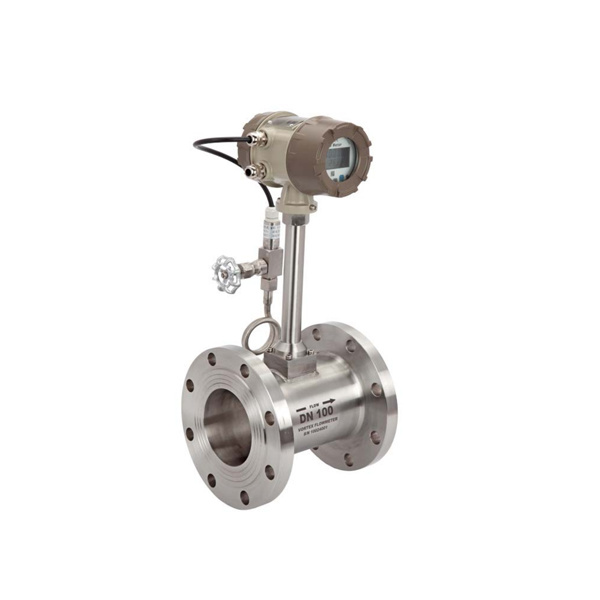
Understanding Vorex Flow Meters: A Comprehensive Guide to Flow Measurement
2026-09-03
Flow measurement is an essential aspect of various industries, from water treatment to chemical manufacturing and beyond. One device that stands out in this field is the Vorex flow meter. These instruments are designed to accurately gauge the flow rate of liquids and gases, ensuring that processes operate smoothly and efficiently.
A Vorex flow meter typically operates on the principle of measuring

How Acrylic Flow Meters Enhance Efficiency in Fluid Dynamics
2026-08-27
How Acrylic Flow Meters Enhance Efficiency in Fluid Dynamics
Table of Contents
1. Introduction to Acrylic Flow Meters
2. Understanding Fluid Dynamics
3. The Importance of Accurate Flow Measurement
4. Benefits of Acrylic Flow Meters
5. Applications of Acrylic Flow Meters in Various Industries
6. How Acrylic Flow Meters Work
7. Choosing the Right Acrylic Flow Meter
8

Understanding Durable Plastic Tube Type Flowmeters: A Comprehensive Guide
2026-08-20
Durable plastic tube type flowmeters are essential instruments in the measurement of fluid dynamics, prominently used in various industries including chemical processing, water treatment, and food production. These flowmeters are designed to provide accurate flow measurement while ensuring durability and reliability in diverse applications.
One of the primary advantages of durable plastic tube ty

CREATEC will be there where there is water
Focus on the independent research and development of online water quality analysis instruments and water environmental protection analysis instruments
ABOUT US
Hebei Create Instrumentation Technologies Co., Ltd. is a national high-tech technology enterprise which is specialized in the water quality online analysis instruments.The founder Hao shuanju was first awarded the national “Automatic Pure Water Monitor” patent in 1988.And entered into the field of water quality online analysis and research.
CONTACT US
Factory :NO.2 Building ,No.368 North Xinshi Road, Shijiazhuang 050091,Hebei Province,China.
Office Address: Block 23, Keying·Zhichuang Valley, Huai'an West Road, Luquan District, Shijiazhuang City
Tel: 86-311-83831058 / 67368592
E-Mail:meter@createc.cn
QUALITY OF SERVICE

Follow us
Learn more about online water quality analysis instruments