
Four regulatory techniques of ammonia nitrogen in aquaculture ponds
2023-06-20
In the breeding process, the regulation of ammonia nitrogen in the pond is very important.Ammonia nitrogen is present in water in two forms, one is “ammonia”, also known as nonionic ammonia, which is toxic to aquatic organisms and is very soluble in water.
In the breeding process, the regulation of ammonia nitrogen in the pond is very important.Ammonia nitrogen is present in water in two forms, one is “ammonia”, also known as nonionic ammonia, which is toxic to aquatic organisms and is very soluble in water.The other is "ammonium”, also known as ionic ammonia, which is non-toxic to aquatic organisms.When ammonia enters the fish through the gills, it will directly increase the burden on the fish's ammonia excretion. The concentration of ammonia nitrogen in the fish's blood increases, and the pH value in the blood will rise accordingly, and it can reduce the blood's oxygen delivery capacity, thereby destroying the gill epidermal tissue and reducing the blood's ability to carry oxygen, resulting in the fish's oxygen and waste exchange is not smooth and suffocates to death.
Ammonia nitrogen control method:
1. Dredge and dry pond
The first way to control ammonia nitrogen is to regularly dredge and dry the pond.After the end of breeding every year, dredge, dry the pond, expose the bottom of the pool, and use quicklime, bleaching powder, and chlorinated fish drugs to thoroughly disinfect the bottom of the pool, which can remove ammonia and nitrogen, increase the water body's ability to balance the pH value, and maintain the water body's slight alkalinity.
2. Regular replacement of new water
The second way to control ammonia nitrogen is to add new water regularly.Water change is a fast and effective way. The quality of the new water added is required to be good, and the temperature of the new water should be as close as possible to the original pool water.
3. Strengthen feeding management
The fourth way to control ammonia nitrogen is to strengthen feeding management in daily breeding.Choose high-quality protein feed and use feed with higher amino acid digestibility to avoid excessive feeding and improve the energy and protein ratio of the feed.By improving the utilization rate of feed for farmed fish, the content of harmful chemicals such as ammonia and nitrogen in the water is indirectly reduced.You can also use a fish drug commonly called ”Sodium thiosulfate powder“, which is evenly sprinkled throughout the pool to reduce the ammonia concentration. You can also use bacillus compound microbial preparations. The first application amount is 500 grams per acre of water depth of 1 meter, and then 250 grams are applied after 15 days to reduce the ammonia concentration in the water and improve water quality.
Breeding
RELATED NEWS
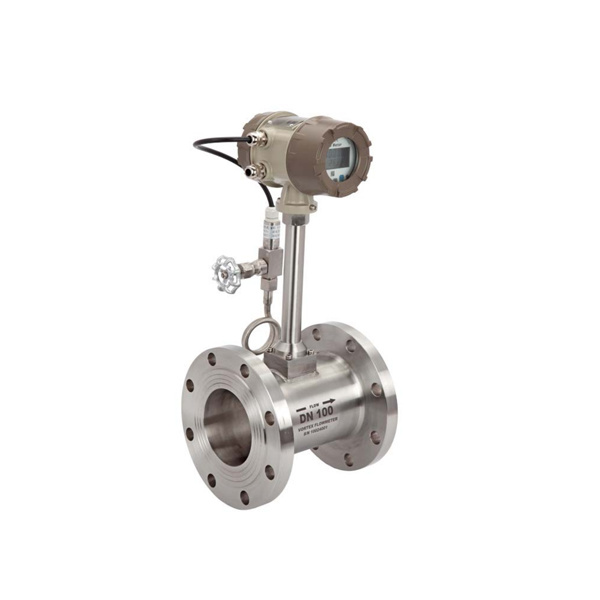
Understanding Vorex Flow Meters: A Comprehensive Guide to Flow Measurement
2026-09-03
Flow measurement is an essential aspect of various industries, from water treatment to chemical manufacturing and beyond. One device that stands out in this field is the Vorex flow meter. These instruments are designed to accurately gauge the flow rate of liquids and gases, ensuring that processes operate smoothly and efficiently.
A Vorex flow meter typically operates on the principle of measuring

How Acrylic Flow Meters Enhance Efficiency in Fluid Dynamics
2026-08-27
How Acrylic Flow Meters Enhance Efficiency in Fluid Dynamics
Table of Contents
1. Introduction to Acrylic Flow Meters
2. Understanding Fluid Dynamics
3. The Importance of Accurate Flow Measurement
4. Benefits of Acrylic Flow Meters
5. Applications of Acrylic Flow Meters in Various Industries
6. How Acrylic Flow Meters Work
7. Choosing the Right Acrylic Flow Meter
8

Understanding Durable Plastic Tube Type Flowmeters: A Comprehensive Guide
2026-08-20
Durable plastic tube type flowmeters are essential instruments in the measurement of fluid dynamics, prominently used in various industries including chemical processing, water treatment, and food production. These flowmeters are designed to provide accurate flow measurement while ensuring durability and reliability in diverse applications.
One of the primary advantages of durable plastic tube ty

CREATEC will be there where there is water
Focus on the independent research and development of online water quality analysis instruments and water environmental protection analysis instruments
ABOUT US
Hebei Create Instrumentation Technologies Co., Ltd. is a national high-tech technology enterprise which is specialized in the water quality online analysis instruments.The founder Hao shuanju was first awarded the national “Automatic Pure Water Monitor” patent in 1988.And entered into the field of water quality online analysis and research.
CONTACT US
Factory :NO.2 Building ,No.368 North Xinshi Road, Shijiazhuang 050091,Hebei Province,China.
Office Address: Block 23, Keying·Zhichuang Valley, Huai'an West Road, Luquan District, Shijiazhuang City
Tel: 86-311-83831058 / 67368592
E-Mail:meter@createc.cn
QUALITY OF SERVICE

Follow us
Learn more about online water quality analysis instruments