
Streamlining Data Collection: Unraveling the Benefits of Ultrasonic Open Channel Flow Meters
2025-03-13
Streamlining Data Collection: Benefits of Ultrasonic Open Channel Flow Meters
Table of Contents
1. Introduction to Ultrasonic Open Channel Flow Meters
2. What is an Ultrasonic Flow Meter?
3. How Ultrasonic Flow Meters Work
4. Advantages of Ultrasonic Open Channel Flow Meters
4.1 Accuracy and Reliability
4.2 Non-Invasive Measurements
4.3
Streamlining Data Collection: Benefits of Ultrasonic Open Channel Flow Meters
Table of Contents
- 1. Introduction to Ultrasonic Open Channel Flow Meters
- 2. What is an Ultrasonic Flow Meter?
- 3. How Ultrasonic Flow Meters Work
- 4. Advantages of Ultrasonic Open Channel Flow Meters
- 4.1 Accuracy and Reliability
- 4.2 Non-Invasive Measurements
- 4.3 Low Maintenance Requirements
- 4.4 Flexibility and Adaptability
- 5. Applications of Ultrasonic Open Channel Flow Meters
- 6. Choosing the Right Ultrasonic Flow Meter
- 7. The Future of Ultrasonic Flow Measurement
- 8. Frequently Asked Questions
- 9. Conclusion
1. Introduction to Ultrasonic Open Channel Flow Meters
In a world where data drives decision-making, the **accuracy** and **efficiency** of data collection methods have become paramount. Among the various technologies employed for flow measurement, **ultrasonic open channel flow meters** stand out due to their advanced capabilities and reliable performance. As industries across the globe seek to enhance their operational efficiency, understanding the benefits of ultrasonic flow meters can provide critical insights into optimizing water management systems.
2. What is an Ultrasonic Flow Meter?
An **ultrasonic flow meter** is a device that uses sound waves to measure the velocity of liquid flowing through a pipe or an open channel. The principle of operation is based on the **Doppler effect** or the **time-of-flight method**, where ultrasonic transducers emit sound waves and analyze the echoes that bounce back after interacting with the flowing fluid. These measurements are then translated into flow rates, offering real-time data that can significantly enhance operational oversight.
3. How Ultrasonic Flow Meters Work
Understanding the mechanics behind ultrasonic flow meters exposes their efficiency. These devices generally incorporate two transducers placed on either side of a channel or pipe. In the **time-of-flight method**, one transducer sends ultrasonic pulses downstream, while the second transducer receives them. The time taken for these pulses to travel back is measured, allowing for an accurate calculation of flow velocity. This approach ensures that measurements are not only precise but also unaffected by factors such as pressure and temperature.
4. Advantages of Ultrasonic Open Channel Flow Meters
The implementation of ultrasonic open channel flow meters presents numerous advantages that enhance their appeal across various industries.
4.1 Accuracy and Reliability
One of the most crucial benefits of ultrasonic flow meters is their **high level of accuracy**. With the ability to measure flow rates within a few percentage points of actual values, these meters reduce the risk of errors that can lead to costly operational inefficiencies. Furthermore, they provide consistent and reliable data, essential for effective water management.
4.2 Non-Invasive Measurements
Ultrasonic open channel flow meters offer a non-invasive solution for flow measurement. Unlike traditional methods that might require cutting into pipes, ultrasonic meters can be installed externally, minimizing disruption to existing systems. This feature not only preserves the integrity of the system but also simplifies the installation process, making it a cost-effective solution.
4.3 Low Maintenance Requirements
With fewer mechanical parts and no moving components, ultrasonic flow meters require **minimal maintenance**. This advantage translates to lower operational costs and less downtime. Regular calibration and occasional cleaning are usually sufficient to ensure that these devices function optimally, providing a hassle-free experience for users.
4.4 Flexibility and Adaptability
Ultrasonic open channel flow meters are designed to be adaptable to various environments. They can be used for different types of liquids, including clean water, wastewater, and even slurries. Their versatility makes them suitable for a broad range of applications, from municipal water systems to industrial processes.
5. Applications of Ultrasonic Open Channel Flow Meters
The versatility of ultrasonic flow meters allows them to be utilized across multiple sectors, each benefiting from their unique features.
5.1 Wastewater Management
In wastewater treatment facilities, accurate flow measurement is critical for maintaining compliance with environmental regulations. Ultrasonic open channel flow meters ensure precise monitoring of wastewater flows, facilitating effective treatment processes and resource management.
5.2 Irrigation Systems
For agricultural applications, efficient water distribution is vital. Ultrasonic flow meters can optimize irrigation systems by providing real-time data on water usage, ensuring crops receive the right amount of water while conserving resources.
5.3 Industrial Processes
In industrial settings, ultrasonic flow meters play a significant role in process control, monitoring chemical flows, and ensuring efficient production. Their ability to provide reliable data allows for better decision-making and optimization of operational processes.
6. Choosing the Right Ultrasonic Flow Meter
Selecting the appropriate ultrasonic flow meter for specific applications involves considering several factors:
- **Type of Fluid:** Identify whether the flow meter will be used for clean water, wastewater, or other liquids.
- **Flow Conditions:** Analyze the channel or pipe conditions, including dimensions and flow rates.
- **Environmental Factors:** Assess any external conditions such as temperature and pressure that may affect performance.
- **Installation Requirements:** Determine whether a clamp-on or in-line meter is needed based on the system's layout.
By carefully evaluating these aspects, users can ensure they choose the right ultrasonic flow meter that meets their unique needs.
7. The Future of Ultrasonic Flow Measurement
The future of ultrasonic open channel flow meters looks promising, with ongoing advancements in technology set to enhance their capabilities. The integration of IoT (Internet of Things) technology will allow for real-time data transmission, improving monitoring and analysis. Additionally, machine learning algorithms can analyze data patterns, offering predictive maintenance and further optimizing flow management processes.
8. Frequently Asked Questions
What is the primary benefit of using ultrasonic flow meters?
The primary benefit is their **high accuracy** and **reliability** in measuring flow rates without being invasive to the system.
How do ultrasonic flow meters compare to other flow measurement technologies?
Ultrasonic flow meters offer advantages such as **non-invasive installation**, **low maintenance**, and **high accuracy** compared to traditional mechanical flow meters.
Are ultrasonic flow meters suitable for all types of liquids?
Yes, they can be used for various liquids, including clean water, wastewater, and even slurries, making them highly versatile.
What maintenance do ultrasonic flow meters require?
They generally require minimal maintenance, primarily involving regular calibration and occasional cleaning to ensure optimal performance.
Can ultrasonic flow meters be used in extreme environmental conditions?
Yes, many ultrasonic flow meters are designed to withstand a range of environmental conditions, including varying temperatures and pressures.
9. Conclusion
Ultrasonic open channel flow meters represent a significant advancement in the world of fluid measurement. Their unique combination of **accuracy**, **non-invasive installation**, and **low maintenance** requirements makes them an invaluable tool across various industries. As organizations strive to improve efficiency and sustainability in water management practices, these devices will continue to play a vital role in shaping the future of data collection and analysis. By investing in ultrasonic flow meter technology, industries can ensure more informed decision-making, leading to better resource management and operational success.
Ultrasonic Open Channel Flow Meter
RELATED NEWS
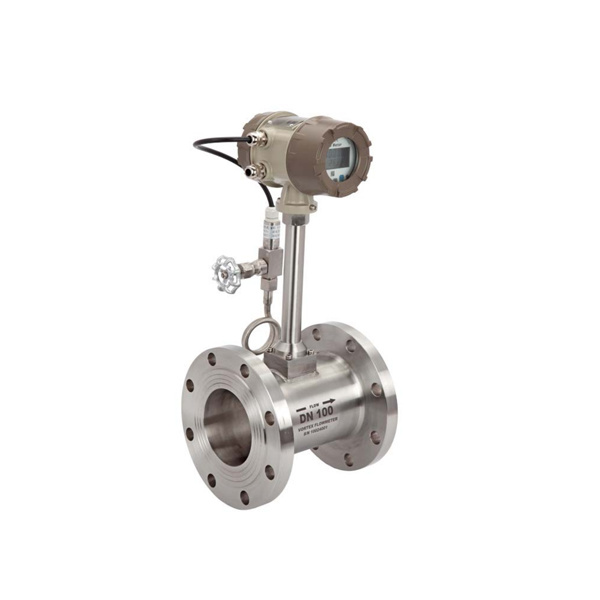
Understanding Vorex Flow Meters: A Comprehensive Guide to Flow Measurement
2026-09-03
Flow measurement is an essential aspect of various industries, from water treatment to chemical manufacturing and beyond. One device that stands out in this field is the Vorex flow meter. These instruments are designed to accurately gauge the flow rate of liquids and gases, ensuring that processes operate smoothly and efficiently.
A Vorex flow meter typically operates on the principle of measuring

How Acrylic Flow Meters Enhance Efficiency in Fluid Dynamics
2026-08-27
How Acrylic Flow Meters Enhance Efficiency in Fluid Dynamics
Table of Contents
1. Introduction to Acrylic Flow Meters
2. Understanding Fluid Dynamics
3. The Importance of Accurate Flow Measurement
4. Benefits of Acrylic Flow Meters
5. Applications of Acrylic Flow Meters in Various Industries
6. How Acrylic Flow Meters Work
7. Choosing the Right Acrylic Flow Meter
8

Understanding Durable Plastic Tube Type Flowmeters: A Comprehensive Guide
2026-08-20
Durable plastic tube type flowmeters are essential instruments in the measurement of fluid dynamics, prominently used in various industries including chemical processing, water treatment, and food production. These flowmeters are designed to provide accurate flow measurement while ensuring durability and reliability in diverse applications.
One of the primary advantages of durable plastic tube ty

CREATEC will be there where there is water
Focus on the independent research and development of online water quality analysis instruments and water environmental protection analysis instruments
ABOUT US
Hebei Create Instrumentation Technologies Co., Ltd. is a national high-tech technology enterprise which is specialized in the water quality online analysis instruments.The founder Hao shuanju was first awarded the national “Automatic Pure Water Monitor” patent in 1988.And entered into the field of water quality online analysis and research.
CONTACT US
Factory :NO.2 Building ,No.368 North Xinshi Road, Shijiazhuang 050091,Hebei Province,China.
Office Address: Block 23, Keying·Zhichuang Valley, Huai'an West Road, Luquan District, Shijiazhuang City
Tel: 86-311-83831058 / 67368592
E-Mail:meter@createc.cn
QUALITY OF SERVICE

Follow us
Learn more about online water quality analysis instruments