
Understanding the Advantages of Panel Type Flowmeters for Liquid Measurement: A Comprehensive Guide
2025-01-05
Understanding the Advantages of Panel Type Flowmeters for Liquid Measurement
In today's industrial landscape, the accuracy and reliability of liquid measurement are paramount for success. Among the numerous measurement devices available, panel type flowmeters stand out due to their unique design and functionality. This article aims to explore the numerous benefits of using panel type flowmeters, p
Understanding the Advantages of Panel Type Flowmeters for Liquid Measurement
In today's industrial landscape, the accuracy and reliability of liquid measurement are paramount for success. Among the numerous measurement devices available, panel type flowmeters stand out due to their unique design and functionality. This article aims to explore the numerous benefits of using panel type flowmeters, providing an in-depth understanding of why they are becoming increasingly popular in various applications.
Table of Contents
- 1. What are Panel Type Flowmeters?
- 2. Key Features of Panel Type Flowmeters
- 3. Benefits of Using Panel Type Flowmeters
- 4. Applications of Panel Type Flowmeters in Different Industries
- 5. Installation and Maintenance of Panel Type Flowmeters
- 6. Comparison with Other Types of Flowmeters
- 7. Frequently Asked Questions
- 8. Conclusion
1. What are Panel Type Flowmeters?
Panel type flowmeters are specialized devices designed to measure the flow rate of liquids and gases. They are typically mounted on a panel for easy access and visibility. This type of flowmeter incorporates various technologies, including mechanical, electromagnetic, and ultrasonic principles, to provide accurate measurements. The design allows for straightforward integration into control systems, making them versatile for various industrial applications.
2. Key Features of Panel Type Flowmeters
Panel type flowmeters offer several key features that enhance their functionality:
2.1 Compact Design
The compact design of panel type flowmeters enables them to occupy minimal space while maximizing readability and accessibility. This feature is particularly advantageous in environments where space is limited.
2.2 User-Friendly Interface
Many panel type flowmeters come equipped with digital displays and intuitive interfaces, providing users with real-time data and easy navigation through settings and configurations.
2.3 Versatile Measurement Capabilities
Panel type flowmeters can measure various liquid types, including corrosive and viscous fluids, making them suitable for diverse applications across different industries.
3. Benefits of Using Panel Type Flowmeters
Understanding the benefits of panel type flowmeters can help organizations make informed decisions regarding their liquid measurement needs.
3.1 Enhanced Accuracy
One of the primary benefits of panel type flowmeters is their enhanced accuracy. With advanced measurement technology, they can provide precise flow rate readings, reducing the risk of errors that can lead to costly mistakes in industrial processes.
3.2 Increased Efficiency
Panel type flowmeters are designed to optimize workflow processes. By delivering real-time data, they allow operators to make timely decisions, improving overall operational efficiency.
3.3 Easy Installation and Integration
These flowmeters are straightforward to install and can be easily integrated into existing control systems. Their panel-mounted design simplifies connections and minimizes installation time.
3.4 Durability and Reliability
Constructed from high-quality materials, panel type flowmeters are built to withstand harsh industrial environments. Their durability ensures long-term reliability, reducing the frequency of replacements and maintenance.
3.5 Cost-Effectiveness
Investing in panel type flowmeters can lead to long-term cost savings. Their accuracy reduces waste and enhances resource management, while their durability minimizes maintenance costs.
4. Applications of Panel Type Flowmeters in Different Industries
Panel type flowmeters are utilized across various industries, showcasing their versatility and effectiveness. Here are some key applications:
4.1 Oil and Gas Industry
In the oil and gas sector, panel type flowmeters play a crucial role in measuring the flow of crude oil, natural gas, and other fluids. Their accuracy is essential for compliance with industry regulations and optimizing production processes.
4.2 Chemical Processing
Chemical plants rely on panel type flowmeters to monitor the flow of various chemicals. Their ability to handle corrosive substances makes them ideal for this industry, ensuring safety and precision in measurements.
4.3 Water Treatment Facilities
Water treatment facilities use panel type flowmeters to monitor the flow of water during treatment processes. Accurate measurements help maintain water quality and ensure compliance with environmental regulations.
4.4 Food and Beverage Industry
In the food and beverage industry, hygiene and accuracy are paramount. Panel type flowmeters help monitor the flow of liquids in production processes, ensuring product quality and safety.
4.5 HVAC Systems
Panel type flowmeters are also utilized in HVAC systems to measure the flow of refrigerants and other fluids. Their reliability contributes to efficient climate control in buildings.
5. Installation and Maintenance of Panel Type Flowmeters
Proper installation and maintenance are crucial for the optimal performance of panel type flowmeters. Here are some best practices:
5.1 Installation Guidelines
During the installation process, it is essential to follow the manufacturer's guidelines. Ensure that the flowmeter is positioned correctly and that there is adequate space for access and maintenance. Use appropriate fittings and seals to prevent leaks.
5.2 Regular Maintenance
Regular maintenance involves checking for leaks, calibrating the flowmeter, and cleaning any buildup that may affect performance. Scheduled maintenance helps extend the lifespan of the device and maintain its accuracy.
5.3 Troubleshooting Common Issues
Should any issues arise, common troubleshooting steps include checking the power supply, inspecting connections, and reviewing the flowmeter's calibration settings. Addressing these issues promptly can prevent more significant problems down the line.
6. Comparison with Other Types of Flowmeters
While panel type flowmeters offer numerous advantages, it is essential to compare them with other flowmeter types to understand their unique position in the market.
6.1 Mechanical vs. Panel Type Flowmeters
Mechanical flowmeters, while commonly used, often lack the accuracy and reliability of panel type flowmeters. The latter provides digital displays and real-time data, making them more suitable for modern applications.
6.2 Electromagnetic Flowmeters
Electromagnetic flowmeters offer high accuracy for conductive liquids but may require more complex installation and calibration. Panel type flowmeters, on the other hand, provide versatility and ease of use.
6.3 Ultrasonic Flowmeters
Ultrasonic flowmeters are known for their non-intrusive operation. However, panel type flowmeters excel in applications where space is at a premium and direct measurement is preferred.
7. Frequently Asked Questions
7.1 What is the typical lifespan of a panel type flowmeter?
The lifespan of a panel type flowmeter can vary depending on usage and maintenance but generally ranges from 5 to 10 years.
7.2 Can panel type flowmeters measure both liquids and gases?
Yes, many panel type flowmeters are designed to measure both liquids and gases, making them versatile for various applications.
7.3 How often should panel type flowmeters be calibrated?
Calibration should be performed regularly, typically every six months to a year, depending on the specific application and usage conditions.
7.4 Are panel type flowmeters suitable for corrosive liquids?
Yes, panel type flowmeters can be designed to handle corrosive liquids, provided they are constructed with appropriate materials.
7.5 What are the indicators of a failing flowmeter?
Common indicators include erratic readings, low accuracy, mechanical noise, or visible leaks. Addressing these issues promptly is essential to maintain performance.
8. Conclusion
Panel type flowmeters offer an array of benefits that make them indispensable in modern liquid measurement applications. Their accuracy, efficiency, and durability enhance operational performance across various industries. By understanding their features and advantages, organizations can make informed decisions that lead to improved productivity and cost savings. As industries continue to evolve, panel type flowmeters will play a crucial role in meeting the demands of precision and reliability in liquid measurement.
Flowmeter-panel type
RELATED NEWS
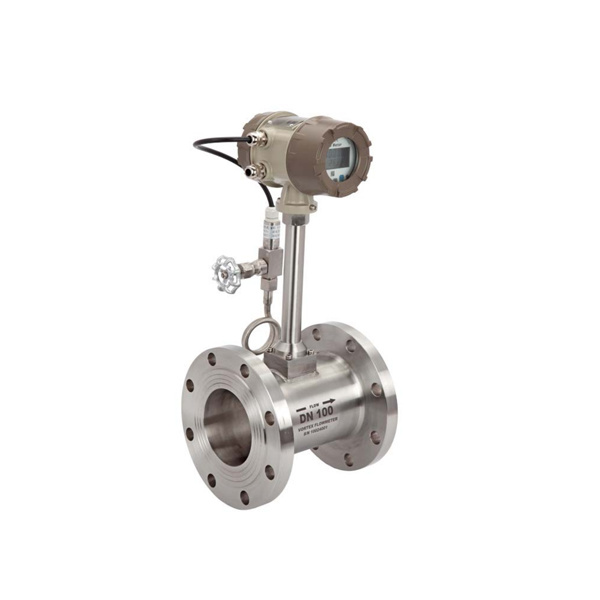
Understanding Vorex Flow Meters: A Comprehensive Guide to Flow Measurement
2026-09-03
Flow measurement is an essential aspect of various industries, from water treatment to chemical manufacturing and beyond. One device that stands out in this field is the Vorex flow meter. These instruments are designed to accurately gauge the flow rate of liquids and gases, ensuring that processes operate smoothly and efficiently.
A Vorex flow meter typically operates on the principle of measuring

How Acrylic Flow Meters Enhance Efficiency in Fluid Dynamics
2026-08-27
How Acrylic Flow Meters Enhance Efficiency in Fluid Dynamics
Table of Contents
1. Introduction to Acrylic Flow Meters
2. Understanding Fluid Dynamics
3. The Importance of Accurate Flow Measurement
4. Benefits of Acrylic Flow Meters
5. Applications of Acrylic Flow Meters in Various Industries
6. How Acrylic Flow Meters Work
7. Choosing the Right Acrylic Flow Meter
8

Understanding Durable Plastic Tube Type Flowmeters: A Comprehensive Guide
2026-08-20
Durable plastic tube type flowmeters are essential instruments in the measurement of fluid dynamics, prominently used in various industries including chemical processing, water treatment, and food production. These flowmeters are designed to provide accurate flow measurement while ensuring durability and reliability in diverse applications.
One of the primary advantages of durable plastic tube ty

CREATEC will be there where there is water
Focus on the independent research and development of online water quality analysis instruments and water environmental protection analysis instruments
ABOUT US
Hebei Create Instrumentation Technologies Co., Ltd. is a national high-tech technology enterprise which is specialized in the water quality online analysis instruments.The founder Hao shuanju was first awarded the national “Automatic Pure Water Monitor” patent in 1988.And entered into the field of water quality online analysis and research.
CONTACT US
Factory :NO.2 Building ,No.368 North Xinshi Road, Shijiazhuang 050091,Hebei Province,China.
Office Address: Block 23, Keying·Zhichuang Valley, Huai'an West Road, Luquan District, Shijiazhuang City
Tel: 86-311-83831058 / 67368592
E-Mail:meter@createc.cn
QUALITY OF SERVICE

Follow us
Learn more about online water quality analysis instruments