
Navigating Water Quality Analysis: The Mechanisms Behind Ultrasonic Open Channel Flow Meters
2024-09-27
Navigating Water Quality Analysis: The Mechanisms Behind Ultrasonic Open Channel Flow Meters
Water quality analysis is vital for maintaining public health, environmental safety, and regulatory compliance. One key technology in this field is the ultrasonic open channel flow meter, renowned for its precision and reliability. In this article, we will explore the workings of these devices, their appli
Navigating Water Quality Analysis: The Mechanisms Behind Ultrasonic Open Channel Flow Meters
Water quality analysis is vital for maintaining public health, environmental safety, and regulatory compliance. One key technology in this field is the ultrasonic open channel flow meter, renowned for its precision and reliability. In this article, we will explore the workings of these devices, their applications, and the critical role they play in water management.
The Importance of Water Quality Analysis
Water is life. Its quality directly impacts ecosystems, human health, and industrial processes. Monitoring water quality is crucial for ensuring safe drinking water, assessing environmental health, and managing wastewater. Here are some reasons why water quality analysis is essential:
Public Health and Safety
Ensuring that drinking water meets safety standards is paramount. Contaminated water can lead to serious health issues, including gastrointestinal infections and long-term illnesses. Regular water quality assessments help identify harmful contaminants and ensure public safety.
Environmental Protection
Water quality analysis protects aquatic ecosystems. Monitoring pollutants ensures the sustainability of fish populations and biodiversity in lakes, rivers, and streams. It also helps in responding to environmental changes and disasters.
Regulatory Compliance
Governments and environmental agencies impose strict regulations on water quality. Regular testing and monitoring ensure compliance with laws and standards, avoiding potential fines and penalties for organizations.
Understanding Ultrasonic Open Channel Flow Meters
Ultrasonic open channel flow meters are specialized devices designed to measure the flow of water in open channels, such as rivers, canals, and wastewater treatment facilities. They utilize ultrasonic technology to provide accurate measurements, ensuring reliable data for water quality analysis.
How Ultrasonic Technology Works
Ultrasonic flow meters operate based on the principle of sound wave propagation. These devices emit ultrasonic pulses and measure the time it takes for the sound to travel through the flowing water. This methodology allows for precise flow rate calculations.
The Components of Ultrasonic Open Channel Flow Meters
1. **Transducers**: These are the core components that emit and receive ultrasonic signals. They are typically mounted on opposite sides of the channel.
2. **Signal Processor**: This unit analyzes the received signals, calculating flow velocity and volume based on the time delay of the sound waves.
3. **Display Unit**: Provides real-time data on flow rates and water quality parameters.
4. **Power Supply**: Ensures the meter operates continuously, providing uninterrupted data collection.
Types of Ultrasonic Open Channel Flow Meters
There are generally two types of ultrasonic open channel flow meters:
1. **Non-Intrusive**: These meters utilize external transducers that do not come into contact with the water, reducing the risk of contamination and wear.
2. **Intrusive**: These meters have sensors that are submerged in the water, providing direct measurements but requiring regular maintenance.
Applications of Ultrasonic Open Channel Flow Meters
Ultrasonic flow meters serve various applications across different industries:
Wastewater Management
In wastewater treatment plants, these meters are critical for monitoring inflow and outflow, ensuring that treatment processes are effective and compliant with environmental regulations.
Stormwater Management
Stormwater runoff can carry pollutants into water bodies. Ultrasonic meters help monitor the quality and quantity of stormwater, facilitating better management of urban water systems.
Environmental Monitoring
Researchers and environmental agencies use ultrasonic flow meters to assess the health of rivers and lakes, tracking changes in flow rates and quality over time.
Advantages of Ultrasonic Open Channel Flow Meters
Utilizing ultrasonic technology offers several advantages:
Accuracy and Reliability
Ultrasonic meters provide high accuracy, with minimal moving parts that could introduce errors. This reliability is crucial for critical water quality assessments.
Low Maintenance Requirements
Especially for non-intrusive models, maintenance is minimal, as there are no components in contact with water.
Versatility
These meters can be used in various conditions, measuring different types of water flows, from clean water to heavily polluted wastewater.
Challenges and Considerations
While ultrasonic open channel flow meters are incredibly useful, they also come with challenges:
Environmental Interference
Factors such as temperature changes, turbulence, and air bubbles can affect ultrasonic measurements, leading to inaccuracies.
Installation and Calibration
Proper installation and regular calibration are crucial for maintaining accuracy. Misalignment or incorrect settings can lead to erroneous readings.
Future Trends in Water Quality Analysis
As technology advances, the future of water quality analysis looks promising:
Integration of IoT and Smart Technology
The integration of the Internet of Things (IoT) into ultrasonic flow meters allows for real-time data transmission and remote monitoring, making it easier to manage water quality.
Data Analytics and Machine Learning
Utilizing data analytics and machine learning algorithms can enhance predictive capabilities, offering insights into potential water quality issues before they arise.
Frequently Asked Questions (FAQs)
1. What is the primary function of ultrasonic open channel flow meters?
The primary function of these meters is to measure the flow rate of water in open channels using ultrasonic technology, providing accurate data for water quality analysis.
2. How are ultrasonic flow meters calibrated?
Calibration involves adjusting the meter settings to ensure accurate measurements, typically using a known flow rate or benchmark.
3. Can ultrasonic open channel flow meters be used in tidal waters?
Yes, they can be used in tidal waters, but specific models designed for such conditions may be required to account for fluctuations.
4. What maintenance do ultrasonic flow meters require?
Maintenance typically includes regular inspections, cleaning of the transducers, and calibration to ensure accuracy.
5. Are ultrasonic flow meters suitable for all types of water?
While they can measure various water types, heavily contaminated or turbulent water may affect measurement accuracy.
Conclusion
Ultrasonic open channel flow meters are indispensable tools in water quality analysis, providing precise measurements critical for public health, environmental monitoring, and regulatory compliance. By understanding their functionality, applications, and benefits, professionals can make informed decisions regarding water management. As technology evolves, these devices will continue to play a vital role in ensuring the safety and sustainability of our water resources.
Ultrasonic Open Channel Flow Meter
RELATED NEWS
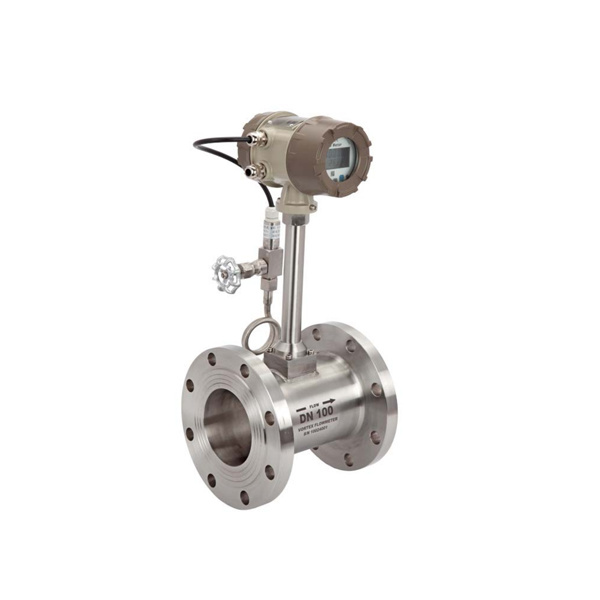
Understanding Vorex Flow Meters: A Comprehensive Guide to Flow Measurement
2026-09-03
Flow measurement is an essential aspect of various industries, from water treatment to chemical manufacturing and beyond. One device that stands out in this field is the Vorex flow meter. These instruments are designed to accurately gauge the flow rate of liquids and gases, ensuring that processes operate smoothly and efficiently.
A Vorex flow meter typically operates on the principle of measuring

How Acrylic Flow Meters Enhance Efficiency in Fluid Dynamics
2026-08-27
How Acrylic Flow Meters Enhance Efficiency in Fluid Dynamics
Table of Contents
1. Introduction to Acrylic Flow Meters
2. Understanding Fluid Dynamics
3. The Importance of Accurate Flow Measurement
4. Benefits of Acrylic Flow Meters
5. Applications of Acrylic Flow Meters in Various Industries
6. How Acrylic Flow Meters Work
7. Choosing the Right Acrylic Flow Meter
8

Understanding Durable Plastic Tube Type Flowmeters: A Comprehensive Guide
2026-08-20
Durable plastic tube type flowmeters are essential instruments in the measurement of fluid dynamics, prominently used in various industries including chemical processing, water treatment, and food production. These flowmeters are designed to provide accurate flow measurement while ensuring durability and reliability in diverse applications.
One of the primary advantages of durable plastic tube ty

CREATEC will be there where there is water
Focus on the independent research and development of online water quality analysis instruments and water environmental protection analysis instruments
ABOUT US
Hebei Create Instrumentation Technologies Co., Ltd. is a national high-tech technology enterprise which is specialized in the water quality online analysis instruments.The founder Hao shuanju was first awarded the national “Automatic Pure Water Monitor” patent in 1988.And entered into the field of water quality online analysis and research.
CONTACT US
Factory :NO.2 Building ,No.368 North Xinshi Road, Shijiazhuang 050091,Hebei Province,China.
Office Address: Block 23, Keying·Zhichuang Valley, Huai'an West Road, Luquan District, Shijiazhuang City
Tel: 86-311-83831058 / 67368592
E-Mail:meter@createc.cn
QUALITY OF SERVICE

Follow us
Learn more about online water quality analysis instruments