
Revolutionizing Water Quality Analysis with Integrated Systems: A Comprehensive Guide
2024-08-16
Revolutionizing Water Quality Analysis with Integrated Systems
Table of Contents
Introduction to Water Quality Analysis
The Importance of Water Quality
Traditional Water Quality Analysis Methods
What Are Integrated Systems?
Benefits of Integrated Systems for Water Quality Analysis
Technological Advancements in Water Quality Monitoring
Case Studies: Successful Implement
Revolutionizing Water Quality Analysis with Integrated Systems
Table of Contents
- Introduction to Water Quality Analysis
- The Importance of Water Quality
- Traditional Water Quality Analysis Methods
- What Are Integrated Systems?
- Benefits of Integrated Systems for Water Quality Analysis
- Technological Advancements in Water Quality Monitoring
- Case Studies: Successful Implementation of Integrated Systems
- The Future of Water Quality Analysis
- Frequently Asked Questions
- Conclusion
Introduction to Water Quality Analysis
In today's world, **water quality analysis** plays a critical role in ensuring public health, environmental safety, and resource management. The necessity to monitor water quality has never been more pronounced, given the rising concerns over pollution, climate change, and the sustainability of water resources. Integrated systems are leading the charge in transforming traditional approaches to this vital task, enhancing accuracy and efficiency.
The Importance of Water Quality
Water is essential for life, and its quality directly impacts human health, agriculture, and ecosystems. Contaminated water sources can lead to severe health issues such as gastrointestinal diseases, reproductive problems, and neurological disorders. Moreover, the economic consequences of poor water quality can be staggering, affecting not just individuals but entire communities and industries.
Traditional Water Quality Analysis Methods
Historically, water quality assessment relied on discrete sampling and laboratory analysis. While these methods provided valuable data, they often lacked the timeliness required for effective decision-making. Traditional approaches are characterized by:
1. Time-Consuming Processes
Collecting samples, transporting them to a lab, and waiting for results can take days or even weeks, delaying necessary interventions.
2. Limited Data Points
Discrete sampling may not capture temporal variations in water quality, leading to incomplete assessments.
3. High Costs
Laboratory testing can be expensive, with costs associated with sample collection, analysis, and reporting.
What Are Integrated Systems?
Integrated systems refer to the combination of hardware and software technologies designed to perform continuous, real-time monitoring of water quality. These systems typically include:
1. Sensor Technology
Advanced sensors can measure various parameters such as pH, turbidity, dissolved oxygen, and contaminants, providing comprehensive data at multiple locations.
2. Data Management Software
Integrated systems employ sophisticated software platforms that collect, analyze, and visualize data, enabling users to make informed decisions quickly.
3. Communication Networks
Real-time data sharing through wireless networks ensures that stakeholders have immediate access to critical information.
Benefits of Integrated Systems for Water Quality Analysis
The shift towards integrated systems offers numerous advantages that enhance the effectiveness of water quality analysis.
1. Real-Time Monitoring
Integrated systems provide continuous data streams, allowing for immediate detection of water quality issues and timely responses to potential hazards.
2. Enhanced Accuracy
Sophisticated sensors reduce human error and provide high-precision measurements, ensuring reliable data for decision-making.
3. Cost Efficiency
Although initial investment costs may be higher, integrated systems can significantly reduce long-term operational expenses by minimizing the need for traditional laboratory testing.
4. Comprehensive Data Collection
With the capability to monitor multiple parameters simultaneously, integrated systems offer a holistic view of water quality, enabling more thorough assessments.
5. Improved Compliance and Reporting
Integrated systems can automatically generate reports and alerts, facilitating compliance with regulations and enhancing accountability among stakeholders.
Technological Advancements in Water Quality Monitoring
The evolution of technology has significantly impacted the capabilities of integrated systems in water quality analysis.
1. IoT Integration
The Internet of Things (IoT) enables devices to communicate and share data seamlessly, enhancing the functionality of water quality monitoring systems.
2. Artificial Intelligence
AI algorithms can analyze vast amounts of data, identify patterns, and predict future water quality trends, aiding in proactive management.
3. Cloud Computing
Cloud platforms allow for centralized data storage and remote access, ensuring that stakeholders can monitor water quality regardless of their location.
4. Mobile Applications
User-friendly mobile interfaces empower stakeholders to access real-time data and receive notifications, fostering better decision-making on the go.
Case Studies: Successful Implementation of Integrated Systems
Several organizations have successfully adopted integrated systems for water quality analysis, showcasing their effectiveness and versatility.
1. Municipal Water Treatment
A city in California implemented an integrated monitoring system that allowed for real-time assessment of drinking water quality. By detecting contamination swiftly, the city reduced response time to public health threats.
2. Industrial Applications
An international manufacturing company adopted integrated systems to monitor effluent discharge. This proactive approach ensured compliance with regulations and improved the company's sustainability practices.
3. Environmental Protection
A non-profit organization utilized integrated systems to monitor a local river's water quality, enabling them to identify pollution sources and advocate for remediation efforts.
The Future of Water Quality Analysis
As we look ahead, **the future of water quality analysis** lies in further advancements in integrated systems.
1. Increased Automation
Automation will streamline processes, reducing the need for manual intervention and enhancing reliability in monitoring efforts.
2. Enhanced Collaboration
Integration with other environmental monitoring systems will foster a more comprehensive understanding of interrelated factors affecting water quality.
3. Greater Public Engagement
With more accessible data, communities can become more engaged in monitoring efforts, leading to improved stewardship of local water resources.
4. Continuous Innovation
Rapid advancements in technology will continue to drive the evolution of integrated systems, making them more efficient and user-friendly.
Frequently Asked Questions
1. What parameters can integrated systems measure in water quality analysis?
Integrated systems can measure various parameters, including pH, turbidity, dissolved oxygen, temperature, and specific contaminants such as heavy metals and pathogens.
2. How do integrated systems improve response times to water quality issues?
By providing real-time monitoring data, integrated systems enable stakeholders to detect potential problems immediately and respond promptly, minimizing health risks.
3. Are integrated systems cost-effective for small municipalities?
While the initial investment may be higher, integrated systems can lead to long-term savings by reducing laboratory testing costs and improving operational efficiency.
4. Can integrated systems be used for groundwater monitoring?
Yes, integrated systems can effectively monitor groundwater quality, providing valuable data for managing aquifer health and contamination prevention.
5. How does cloud computing enhance water quality analysis?
Cloud computing facilitates centralized data storage, remote access, and real-time data sharing, allowing stakeholders to monitor water quality from any location.
Conclusion
The integration of advanced systems in water quality analysis represents a significant leap forward in our ability to monitor and manage this vital resource. By embracing these innovative technologies, we can ensure cleaner, safer water for all, paving the way for a sustainable future. As integrated systems continue to evolve, the potential for improving water quality management will expand, benefiting communities, industries, and ecosystems alike. As we move forward, staying informed and adaptable will be key to leveraging these advancements for the betterment of society and the environment.
Multi-parameter Online Analysis System Integration
RELATED NEWS
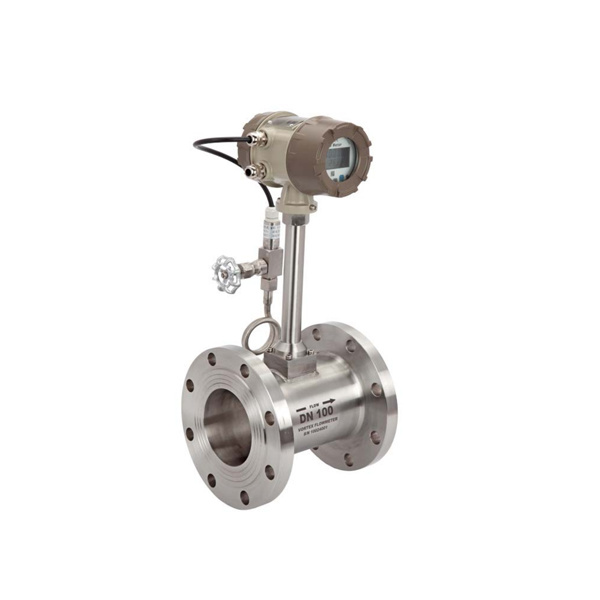
Understanding Vorex Flow Meters: A Comprehensive Guide to Flow Measurement
2026-09-03
Flow measurement is an essential aspect of various industries, from water treatment to chemical manufacturing and beyond. One device that stands out in this field is the Vorex flow meter. These instruments are designed to accurately gauge the flow rate of liquids and gases, ensuring that processes operate smoothly and efficiently.
A Vorex flow meter typically operates on the principle of measuring

How Acrylic Flow Meters Enhance Efficiency in Fluid Dynamics
2026-08-27
How Acrylic Flow Meters Enhance Efficiency in Fluid Dynamics
Table of Contents
1. Introduction to Acrylic Flow Meters
2. Understanding Fluid Dynamics
3. The Importance of Accurate Flow Measurement
4. Benefits of Acrylic Flow Meters
5. Applications of Acrylic Flow Meters in Various Industries
6. How Acrylic Flow Meters Work
7. Choosing the Right Acrylic Flow Meter
8

Understanding Durable Plastic Tube Type Flowmeters: A Comprehensive Guide
2026-08-20
Durable plastic tube type flowmeters are essential instruments in the measurement of fluid dynamics, prominently used in various industries including chemical processing, water treatment, and food production. These flowmeters are designed to provide accurate flow measurement while ensuring durability and reliability in diverse applications.
One of the primary advantages of durable plastic tube ty

CREATEC will be there where there is water
Focus on the independent research and development of online water quality analysis instruments and water environmental protection analysis instruments
ABOUT US
Hebei Create Instrumentation Technologies Co., Ltd. is a national high-tech technology enterprise which is specialized in the water quality online analysis instruments.The founder Hao shuanju was first awarded the national “Automatic Pure Water Monitor” patent in 1988.And entered into the field of water quality online analysis and research.
CONTACT US
Factory :NO.2 Building ,No.368 North Xinshi Road, Shijiazhuang 050091,Hebei Province,China.
Office Address: Block 23, Keying·Zhichuang Valley, Huai'an West Road, Luquan District, Shijiazhuang City
Tel: 86-311-83831058 / 67368592
E-Mail:meter@createc.cn
QUALITY OF SERVICE

Follow us
Learn more about online water quality analysis instruments