
Unlocking the Power of Sanitary Digital Paddle Wheel Flow Sensors in Water Quality Analysis
2024-08-06
Unlocking the Power of Sanitary Digital Paddle Wheel Flow Sensors in Water Quality Analysis
The need for precise and reliable water quality analysis has never been more critical. With increasing concerns about environmental sustainability and health safety, industries and municipalities are turning to advanced technologies to ensure clean water. Among these innovations, **sanitary digital paddle w
Unlocking the Power of Sanitary Digital Paddle Wheel Flow Sensors in Water Quality Analysis
The need for precise and reliable water quality analysis has never been more critical. With increasing concerns about environmental sustainability and health safety, industries and municipalities are turning to advanced technologies to ensure clean water. Among these innovations, **sanitary digital paddle wheel flow sensors** stand out as a pivotal tool for effective water quality monitoring. This article delves into their workings, benefits, applications, and best practices, equipping you with the knowledge to harness their full potential.
Table of Contents
1. Introduction to Sanitary Digital Paddle Wheel Flow Sensors
2. How Sanitary Digital Paddle Wheel Flow Sensors Work
3. Applications in Water Quality Analysis
4. Key Benefits of Using Paddle Wheel Flow Sensors
5. Installation and Maintenance Best Practices
6. Comparison with Other Flow Measurement Technologies
7. Recent Technological Advancements
8. Frequently Asked Questions (FAQs)
9. Conclusion
Introduction to Sanitary Digital Paddle Wheel Flow Sensors
Sanitary digital paddle wheel flow sensors are specialized instruments designed to measure the flow rate of liquids in sanitary applications, primarily in the food, beverage, and pharmaceutical industries. Unlike traditional flow sensors, these devices are engineered to meet stringent hygiene standards, ensuring that they do not contaminate the liquids they measure. Their digital output allows for real-time monitoring and data collection, which is crucial for maintaining compliance with health regulations.
Understanding the Importance of Water Quality Analysis
The analysis of water quality is vital for various sectors, including municipal water supplies, agriculture, and industrial processes. Maintaining high water quality not only protects public health but also ensures environmental sustainability. Accurate flow measurement is essential in this context, as it directly influences the effectiveness of treatment processes and compliance with regulatory standards.
How Sanitary Digital Paddle Wheel Flow Sensors Work
Sanitary digital paddle wheel flow sensors operate on the principle of fluid dynamics. The core component is a paddle wheel that rotates as fluid flows over it. The speed of rotation is directly proportional to the flow rate. When the paddle wheel turns, it generates a digital signal that can be processed to determine the flow rate accurately.
Key Components of Paddle Wheel Flow Sensors
1. **Paddle Wheel:** This is the primary sensing element that detects fluid movement.
2. **Housing:** Made from sanitary materials, typically stainless steel, to prevent contamination.
3. **Sensor Electronics:** Converts mechanical movement into an electronic signal.
4. **Output Interface:** Provides digital output, which can be easily integrated into monitoring systems.
The Role of Calibration
Calibration is crucial for maintaining the accuracy of paddle wheel flow sensors. Regular calibration ensures that the readings reflect the true flow rates, accounting for any changes in the system or environmental conditions.
Applications in Water Quality Analysis
Sanitary digital paddle wheel flow sensors are versatile instruments widely used in various applications related to water quality analysis:
1. Municipal Water Supply Management
These sensors are essential for monitoring flow rates in municipal water systems, ensuring that water treatment facilities operate efficiently.
2. Pharmaceutical Manufacturing
In pharmaceutical processes, maintaining water quality is paramount. Paddle wheel flow sensors help ensure the integrity of water used in drug manufacturing.
3. Beverage Production
In the beverage industry, these sensors monitor the flow of water and other liquids, ensuring that production processes adhere to health standards.
4. Wastewater Treatment
In wastewater treatment facilities, monitoring the flow of influent and effluent is critical for compliance with environmental regulations.
5. Aquaculture
In aquaculture systems, maintaining optimal water flow and quality is vital for the health of aquatic organisms.
Key Benefits of Using Paddle Wheel Flow Sensors
Utilizing sanitary digital paddle wheel flow sensors offers several advantages:
1. High Accuracy and Reliability
These sensors provide precise flow readings, which are essential for effective quality control.
2. Easy Integration
With digital outputs, they can be effortlessly integrated into existing monitoring systems, enhancing data collection capabilities.
3. Hygiene Compliance
Their sanitary design ensures compliance with health regulations, preventing contamination in sensitive applications.
4. Cost-Effectiveness
By improving efficiency in water management processes, these sensors contribute to cost savings over time.
5. Low Maintenance Requirements
Sanitary paddle wheel flow sensors typically require minimal maintenance, reducing operational downtime.
Installation and Maintenance Best Practices
Proper installation and maintenance are key to ensuring the longevity and effectiveness of sanitary digital paddle wheel flow sensors.
1. Installation Guidelines
- Ensure the sensor is installed in a location with smooth flow conditions to avoid turbulence.
- Follow the manufacturer's recommendations for orientation and positioning.
- Use appropriate fittings and seals to maintain sanitary conditions.
2. Regular Maintenance
- Schedule regular inspections to check for wear and tear.
- Clean the sensor according to the manufacturer's guidelines to prevent buildup that may affect accuracy.
- Recalibrate the sensor periodically to maintain measurement accuracy.
Comparison with Other Flow Measurement Technologies
Sanitary digital paddle wheel flow sensors are often compared with other flow measurement technologies, including electromagnetic and ultrasonic flow meters.
1. Paddle Wheel vs. Electromagnetic Flow Meters
While electromagnetic flow meters excel in non-contact flow measurement and can handle various fluid types, they are typically more expensive and complex. Paddle wheel sensors offer a cost-effective solution for clean, sanitary applications.
2. Paddle Wheel vs. Ultrasonic Flow Meters
Ultrasonic flow meters are versatile and can measure a wide range of fluids. However, paddle wheel sensors are more user-friendly and provide real-time data that is critical for water quality analysis.
Recent Technological Advancements
The field of sanitary digital paddle wheel flow sensors is continuously evolving, with several advancements enhancing their functionality:
1. IoT Integration
The integration of Internet of Things (IoT) technology allows for remote monitoring and data analysis, improving operational efficiency.
2. Enhanced Sensor Materials
Newer materials enhance durability and resistance to corrosion, improving the lifespan of these sensors in harsh environments.
3. Smart Calibration Features
Modern sensors now include smart calibration features that simplify the process and ensure ongoing accuracy without extensive manual intervention.
Frequently Asked Questions (FAQs)
1. What is the primary application of paddle wheel flow sensors?
Paddle wheel flow sensors are mainly used for measuring flow in sanitary applications, such as food and beverage production, pharmaceuticals, and water treatment.
2. How do I ensure accurate readings from my paddle wheel flow sensor?
Regular calibration, proper installation, and routine maintenance are essential for maintaining accuracy.
3. Can paddle wheel flow sensors be used with non-sanitary fluids?
While designed for sanitary applications, they can be used with non-sanitary fluids; however, this could lead to contamination risks.
4. What maintenance is required for these sensors?
Routine inspections, cleaning, and periodic recalibration are necessary to ensure optimal performance.
5. How do paddle wheel flow sensors compare to other flow measurement technologies?
Paddle wheel sensors are cost-effective and simple to use, making them ideal for sanitary applications, while other technologies may offer broader fluid compatibility or higher precision but at a higher cost.
Conclusion
Sanitary digital paddle wheel flow sensors play a crucial role in water quality analysis, providing accurate, reliable, and hygienic flow measurements across various industries. By understanding their operation, applications, and benefits, we can make informed decisions about integrating these sensors into our water management processes. As technology continues to advance, embracing these innovations will be essential for ensuring sustainable water practices and regulatory compliance.
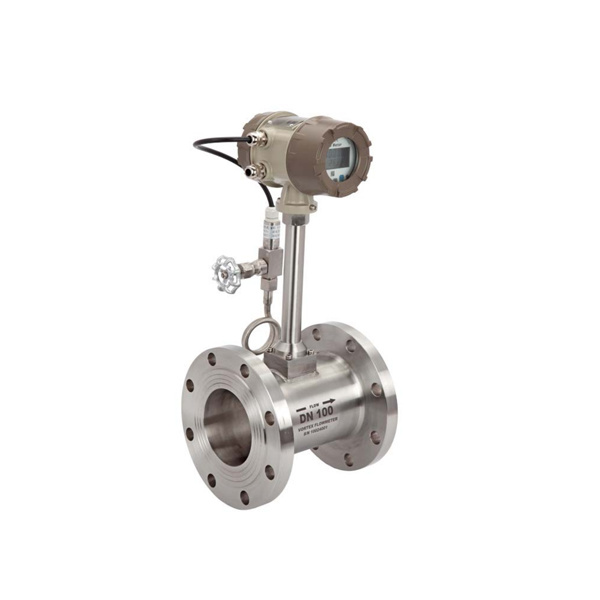
Sanitary Digital Paddle Wheel Flow Sensor
RELATED NEWS
Understanding Vorex Flow Meters: A Comprehensive Guide to Flow Measurement
2026-09-03
Flow measurement is an essential aspect of various industries, from water treatment to chemical manufacturing and beyond. One device that stands out in this field is the Vorex flow meter. These instruments are designed to accurately gauge the flow rate of liquids and gases, ensuring that processes operate smoothly and efficiently.
A Vorex flow meter typically operates on the principle of measuring

How Acrylic Flow Meters Enhance Efficiency in Fluid Dynamics
2026-08-27
How Acrylic Flow Meters Enhance Efficiency in Fluid Dynamics
Table of Contents
1. Introduction to Acrylic Flow Meters
2. Understanding Fluid Dynamics
3. The Importance of Accurate Flow Measurement
4. Benefits of Acrylic Flow Meters
5. Applications of Acrylic Flow Meters in Various Industries
6. How Acrylic Flow Meters Work
7. Choosing the Right Acrylic Flow Meter
8

Understanding Durable Plastic Tube Type Flowmeters: A Comprehensive Guide
2026-08-20
Durable plastic tube type flowmeters are essential instruments in the measurement of fluid dynamics, prominently used in various industries including chemical processing, water treatment, and food production. These flowmeters are designed to provide accurate flow measurement while ensuring durability and reliability in diverse applications.
One of the primary advantages of durable plastic tube ty

CREATEC will be there where there is water
Focus on the independent research and development of online water quality analysis instruments and water environmental protection analysis instruments
ABOUT US
Hebei Create Instrumentation Technologies Co., Ltd. is a national high-tech technology enterprise which is specialized in the water quality online analysis instruments.The founder Hao shuanju was first awarded the national “Automatic Pure Water Monitor” patent in 1988.And entered into the field of water quality online analysis and research.
CONTACT US
Factory :NO.2 Building ,No.368 North Xinshi Road, Shijiazhuang 050091,Hebei Province,China.
Office Address: Block 23, Keying·Zhichuang Valley, Huai'an West Road, Luquan District, Shijiazhuang City
Tel: 86-311-83831058 / 67368592
E-Mail:meter@createc.cn
QUALITY OF SERVICE

Follow us
Learn more about online water quality analysis instruments