
Unlocking the Potential: Understanding Ultrasonic Open Channel Flow Meters
2024-07-07
**Introduction**
In the realm of medical and health analysis instruments, ultrasonic open channel flow meters have emerged as a game-changer. These cutting-edge devices offer unparalleled accuracy, efficiency, and reliability in measuring the flow of water in open channels. With a deep understanding of how ultrasonic open channel flow meters work and their potential applications, professionals in
**Introduction**
In the realm of medical and health analysis instruments, ultrasonic open channel flow meters have emerged as a game-changer. These cutting-edge devices offer unparalleled accuracy, efficiency, and reliability in measuring the flow of water in open channels. With a deep understanding of how ultrasonic open channel flow meters work and their potential applications, professionals in the industry can unlock new possibilities for optimizing water quality analysis processes.
**What are Ultrasonic Open Channel Flow Meters?**
Ultrasonic open channel flow meters are advanced instruments that utilize ultrasonic technology to measure the flow of water in open channels. Unlike traditional flow meters that rely on mechanical components, ultrasonic flow meters are non-intrusive and do not require direct contact with the water. This innovative design not only minimizes maintenance requirements but also ensures accurate and reliable measurements over time.
**Key Features of Ultrasonic Open Channel Flow Meters**
1. **Non-intrusive Design**: Ultrasonic open channel flow meters do not require physical contact with the water, reducing the risk of contamination and ensuring long-term accuracy.
2. **High Accuracy**: These devices offer precise measurements of flow rates, allowing for real-time monitoring and analysis of water quality.
3. **Wide Range of Applications**: Ultrasonic open channel flow meters are versatile instruments that can be used in various industries, including wastewater treatment plants, industrial facilities, and environmental monitoring stations.
**Benefits of Using Ultrasonic Open Channel Flow Meters**
1. **Improved Efficiency**: By providing accurate and reliable measurements, ultrasonic open channel flow meters help streamline water quality analysis processes and optimize resource allocation.
2. **Cost-Effectiveness**: The non-intrusive design of ultrasonic flow meters reduces maintenance costs and ensures long-term performance without the need for frequent calibration.
3. **Environmental Sustainability**: By facilitating real-time monitoring of water flow, ultrasonic open channel flow meters support sustainable practices and help protect natural resources.
**Applications of Ultrasonic Open Channel Flow Meters**
1. **Wastewater Treatment Plants**: Ultrasonic flow meters are essential for monitoring the flow of wastewater in treatment plants, ensuring compliance with regulatory standards and optimizing treatment processes.
2. **Industrial Facilities**: In industrial settings, ultrasonic open channel flow meters play a crucial role in measuring the flow of process water and wastewater, enabling efficient resource management and environmental protection.
3. **Environmental Monitoring Stations**: Ultrasonic flow meters are deployed in environmental monitoring stations to track the flow of rivers, lakes, and other bodies of water, providing valuable data for research and conservation efforts.
**Frequently Asked Questions**
1. **How do ultrasonic open channel flow meters work?**
Ultrasonic flow meters emit ultrasonic waves into the water and measure the time it takes for the waves to travel downstream and upstream, calculating the flow rate based on the difference in travel times.
2. **Are ultrasonic flow meters suitable for all types of open channels?**
Yes, ultrasonic open channel flow meters can be customized to fit various channel geometries and conditions, making them suitable for a wide range of applications.
3. **What are the advantages of ultrasonic flow meters over traditional mechanical meters?**
Ultrasonic flow meters offer greater accuracy, reliability, and flexibility compared to traditional mechanical meters, making them ideal for modern water quality analysis requirements.
4. **How often do ultrasonic open channel flow meters need to be calibrated?**
Ultrasonic flow meters require minimal calibration due to their non-intrusive design and long-term stability, reducing maintenance costs and downtime.
5. **Can ultrasonic flow meters be integrated with software for data analysis?**
Yes, ultrasonic open channel flow meters can be connected to software platforms for real-time data analysis, visualization, and reporting, enhancing decision-making processes and operational efficiency.
**Conclusion**
In conclusion, ultrasonic open channel flow meters represent a significant advancement in the field of medical and health analysis instruments, offering unparalleled accuracy, efficiency, and reliability in measuring water flow. By understanding the key features, benefits, and applications of these innovative devices, professionals can unlock the full potential of ultrasonic flow meters and revolutionize water quality analysis processes. With their non-intrusive design, high accuracy, and cost-effective operation, ultrasonic open channel flow meters are poised to shape the future of water quality monitoring and environmental sustainability.
In the realm of medical and health analysis instruments, ultrasonic open channel flow meters have emerged as a game-changer. These cutting-edge devices offer unparalleled accuracy, efficiency, and reliability in measuring the flow of water in open channels. With a deep understanding of how ultrasonic open channel flow meters work and their potential applications, professionals in the industry can unlock new possibilities for optimizing water quality analysis processes.
**What are Ultrasonic Open Channel Flow Meters?**
Ultrasonic open channel flow meters are advanced instruments that utilize ultrasonic technology to measure the flow of water in open channels. Unlike traditional flow meters that rely on mechanical components, ultrasonic flow meters are non-intrusive and do not require direct contact with the water. This innovative design not only minimizes maintenance requirements but also ensures accurate and reliable measurements over time.
**Key Features of Ultrasonic Open Channel Flow Meters**
1. **Non-intrusive Design**: Ultrasonic open channel flow meters do not require physical contact with the water, reducing the risk of contamination and ensuring long-term accuracy.
2. **High Accuracy**: These devices offer precise measurements of flow rates, allowing for real-time monitoring and analysis of water quality.
3. **Wide Range of Applications**: Ultrasonic open channel flow meters are versatile instruments that can be used in various industries, including wastewater treatment plants, industrial facilities, and environmental monitoring stations.
**Benefits of Using Ultrasonic Open Channel Flow Meters**
1. **Improved Efficiency**: By providing accurate and reliable measurements, ultrasonic open channel flow meters help streamline water quality analysis processes and optimize resource allocation.
2. **Cost-Effectiveness**: The non-intrusive design of ultrasonic flow meters reduces maintenance costs and ensures long-term performance without the need for frequent calibration.
3. **Environmental Sustainability**: By facilitating real-time monitoring of water flow, ultrasonic open channel flow meters support sustainable practices and help protect natural resources.
**Applications of Ultrasonic Open Channel Flow Meters**
1. **Wastewater Treatment Plants**: Ultrasonic flow meters are essential for monitoring the flow of wastewater in treatment plants, ensuring compliance with regulatory standards and optimizing treatment processes.
2. **Industrial Facilities**: In industrial settings, ultrasonic open channel flow meters play a crucial role in measuring the flow of process water and wastewater, enabling efficient resource management and environmental protection.
3. **Environmental Monitoring Stations**: Ultrasonic flow meters are deployed in environmental monitoring stations to track the flow of rivers, lakes, and other bodies of water, providing valuable data for research and conservation efforts.
**Frequently Asked Questions**
1. **How do ultrasonic open channel flow meters work?**
Ultrasonic flow meters emit ultrasonic waves into the water and measure the time it takes for the waves to travel downstream and upstream, calculating the flow rate based on the difference in travel times.
2. **Are ultrasonic flow meters suitable for all types of open channels?**
Yes, ultrasonic open channel flow meters can be customized to fit various channel geometries and conditions, making them suitable for a wide range of applications.
3. **What are the advantages of ultrasonic flow meters over traditional mechanical meters?**
Ultrasonic flow meters offer greater accuracy, reliability, and flexibility compared to traditional mechanical meters, making them ideal for modern water quality analysis requirements.
4. **How often do ultrasonic open channel flow meters need to be calibrated?**
Ultrasonic flow meters require minimal calibration due to their non-intrusive design and long-term stability, reducing maintenance costs and downtime.
5. **Can ultrasonic flow meters be integrated with software for data analysis?**
Yes, ultrasonic open channel flow meters can be connected to software platforms for real-time data analysis, visualization, and reporting, enhancing decision-making processes and operational efficiency.
**Conclusion**
In conclusion, ultrasonic open channel flow meters represent a significant advancement in the field of medical and health analysis instruments, offering unparalleled accuracy, efficiency, and reliability in measuring water flow. By understanding the key features, benefits, and applications of these innovative devices, professionals can unlock the full potential of ultrasonic flow meters and revolutionize water quality analysis processes. With their non-intrusive design, high accuracy, and cost-effective operation, ultrasonic open channel flow meters are poised to shape the future of water quality monitoring and environmental sustainability.
Ultrasonic Open Channel Flow Meter
RELATED NEWS
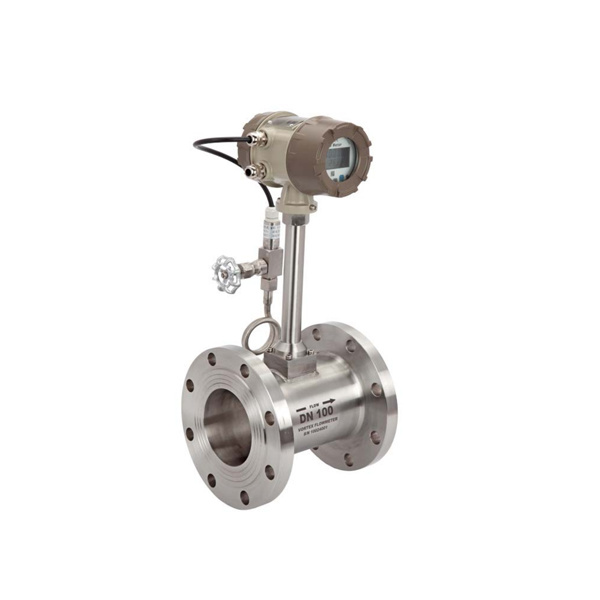
Understanding Vorex Flow Meters: A Comprehensive Guide to Flow Measurement
2026-09-03
Flow measurement is an essential aspect of various industries, from water treatment to chemical manufacturing and beyond. One device that stands out in this field is the Vorex flow meter. These instruments are designed to accurately gauge the flow rate of liquids and gases, ensuring that processes operate smoothly and efficiently.
A Vorex flow meter typically operates on the principle of measuring

How Acrylic Flow Meters Enhance Efficiency in Fluid Dynamics
2026-08-27
How Acrylic Flow Meters Enhance Efficiency in Fluid Dynamics
Table of Contents
1. Introduction to Acrylic Flow Meters
2. Understanding Fluid Dynamics
3. The Importance of Accurate Flow Measurement
4. Benefits of Acrylic Flow Meters
5. Applications of Acrylic Flow Meters in Various Industries
6. How Acrylic Flow Meters Work
7. Choosing the Right Acrylic Flow Meter
8

Understanding Durable Plastic Tube Type Flowmeters: A Comprehensive Guide
2026-08-20
Durable plastic tube type flowmeters are essential instruments in the measurement of fluid dynamics, prominently used in various industries including chemical processing, water treatment, and food production. These flowmeters are designed to provide accurate flow measurement while ensuring durability and reliability in diverse applications.
One of the primary advantages of durable plastic tube ty

CREATEC will be there where there is water
Focus on the independent research and development of online water quality analysis instruments and water environmental protection analysis instruments
ABOUT US
Hebei Create Instrumentation Technologies Co., Ltd. is a national high-tech technology enterprise which is specialized in the water quality online analysis instruments.The founder Hao shuanju was first awarded the national “Automatic Pure Water Monitor” patent in 1988.And entered into the field of water quality online analysis and research.
CONTACT US
Factory :NO.2 Building ,No.368 North Xinshi Road, Shijiazhuang 050091,Hebei Province,China.
Office Address: Block 23, Keying·Zhichuang Valley, Huai'an West Road, Luquan District, Shijiazhuang City
Tel: 86-311-83831058 / 67368592
E-Mail:meter@createc.cn
QUALITY OF SERVICE

Follow us
Learn more about online water quality analysis instruments