
Securing Clean Water Sources with Digital Turbidity Monitoring
2024-07-01
**Introduction**
In today's world, access to clean and safe water is essential for maintaining public health and preventing waterborne diseases. While traditional methods of water quality monitoring have been effective to some extent, the emergence of digital turbidity monitoring technology has revolutionized the way we ensure the cleanliness of our water sources. In this article, we will explore
**Introduction**
In today's world, access to clean and safe water is essential for maintaining public health and preventing waterborne diseases. While traditional methods of water quality monitoring have been effective to some extent, the emergence of digital turbidity monitoring technology has revolutionized the way we ensure the cleanliness of our water sources. In this article, we will explore the benefits and importance of digital turbidity monitoring in securing clean water sources.
**What is Digital Turbidity Monitoring?**
Digital turbidity monitoring is a cutting-edge technology that measures the cloudiness or haziness of water caused by suspended particles. These particles can include sediment, algae, bacteria, and other contaminants that can compromise the quality of drinking water. By using sensors to measure the amount of light scattered by particles in the water, digital turbidity monitoring provides real-time data on water clarity and quality.
**Importance of Digital Turbidity Monitoring**
Digital turbidity monitoring plays a critical role in ensuring the safety and quality of water sources. By continuously monitoring turbidity levels, water treatment plants can detect changes in water quality early and take immediate action to address any issues. This proactive approach helps prevent contamination events and ensures that clean water is consistently delivered to communities.
**Benefits of Digital Turbidity Monitoring**
- Early detection of contamination events
- Real-time monitoring of water quality
- Improved efficiency in water treatment processes
- Enhanced public health and safety
- Compliance with regulatory standards
**How Digital Turbidity Monitoring Works**
Digital turbidity monitoring systems consist of sensors that are submerged in water bodies to measure turbidity levels. These sensors continuously collect data on water clarity, which is then transmitted to a central monitoring system for analysis. By analyzing this data, water treatment facilities can make informed decisions about water treatment processes and ensure the quality of drinking water.
**FAQs**
1. What is turbidity?
Turbidity is the cloudiness or haziness of a liquid caused by suspended particles.
2. How does digital turbidity monitoring differ from traditional methods?
Digital turbidity monitoring provides real-time data on water quality, allowing for immediate action to be taken in case of contamination events.
3. What are the main benefits of digital turbidity monitoring?
The main benefits include early detection of contamination events, improved efficiency in water treatment processes, and enhanced public health and safety.
4. How can digital turbidity monitoring help ensure clean water sources?
By continuously monitoring turbidity levels, digital turbidity monitoring helps prevent contamination events and ensures that clean water is consistently delivered to communities.
5. Is digital turbidity monitoring cost-effective?
Yes, digital turbidity monitoring can lead to cost savings by preventing costly contamination events and improving the efficiency of water treatment processes.
**Conclusion**
In conclusion, digital turbidity monitoring is a valuable tool in securing clean water sources and ensuring the health and safety of communities. By providing real-time data on water quality, digital turbidity monitoring helps water treatment facilities detect and address contamination events promptly. This proactive approach not only improves the efficiency of water treatment processes but also enhances public health and safety. With the increasing importance of clean water sources, digital turbidity monitoring is an essential technology for safeguarding the quality of drinking water for generations to come.
In today's world, access to clean and safe water is essential for maintaining public health and preventing waterborne diseases. While traditional methods of water quality monitoring have been effective to some extent, the emergence of digital turbidity monitoring technology has revolutionized the way we ensure the cleanliness of our water sources. In this article, we will explore the benefits and importance of digital turbidity monitoring in securing clean water sources.
**What is Digital Turbidity Monitoring?**
Digital turbidity monitoring is a cutting-edge technology that measures the cloudiness or haziness of water caused by suspended particles. These particles can include sediment, algae, bacteria, and other contaminants that can compromise the quality of drinking water. By using sensors to measure the amount of light scattered by particles in the water, digital turbidity monitoring provides real-time data on water clarity and quality.
**Importance of Digital Turbidity Monitoring**
Digital turbidity monitoring plays a critical role in ensuring the safety and quality of water sources. By continuously monitoring turbidity levels, water treatment plants can detect changes in water quality early and take immediate action to address any issues. This proactive approach helps prevent contamination events and ensures that clean water is consistently delivered to communities.
**Benefits of Digital Turbidity Monitoring**
- Early detection of contamination events
- Real-time monitoring of water quality
- Improved efficiency in water treatment processes
- Enhanced public health and safety
- Compliance with regulatory standards
**How Digital Turbidity Monitoring Works**
Digital turbidity monitoring systems consist of sensors that are submerged in water bodies to measure turbidity levels. These sensors continuously collect data on water clarity, which is then transmitted to a central monitoring system for analysis. By analyzing this data, water treatment facilities can make informed decisions about water treatment processes and ensure the quality of drinking water.
**FAQs**
1. What is turbidity?
Turbidity is the cloudiness or haziness of a liquid caused by suspended particles.
2. How does digital turbidity monitoring differ from traditional methods?
Digital turbidity monitoring provides real-time data on water quality, allowing for immediate action to be taken in case of contamination events.
3. What are the main benefits of digital turbidity monitoring?
The main benefits include early detection of contamination events, improved efficiency in water treatment processes, and enhanced public health and safety.
4. How can digital turbidity monitoring help ensure clean water sources?
By continuously monitoring turbidity levels, digital turbidity monitoring helps prevent contamination events and ensures that clean water is consistently delivered to communities.
5. Is digital turbidity monitoring cost-effective?
Yes, digital turbidity monitoring can lead to cost savings by preventing costly contamination events and improving the efficiency of water treatment processes.
**Conclusion**
In conclusion, digital turbidity monitoring is a valuable tool in securing clean water sources and ensuring the health and safety of communities. By providing real-time data on water quality, digital turbidity monitoring helps water treatment facilities detect and address contamination events promptly. This proactive approach not only improves the efficiency of water treatment processes but also enhances public health and safety. With the increasing importance of clean water sources, digital turbidity monitoring is an essential technology for safeguarding the quality of drinking water for generations to come.
Digital Laser Turbidity online analysis sensor
RELATED NEWS
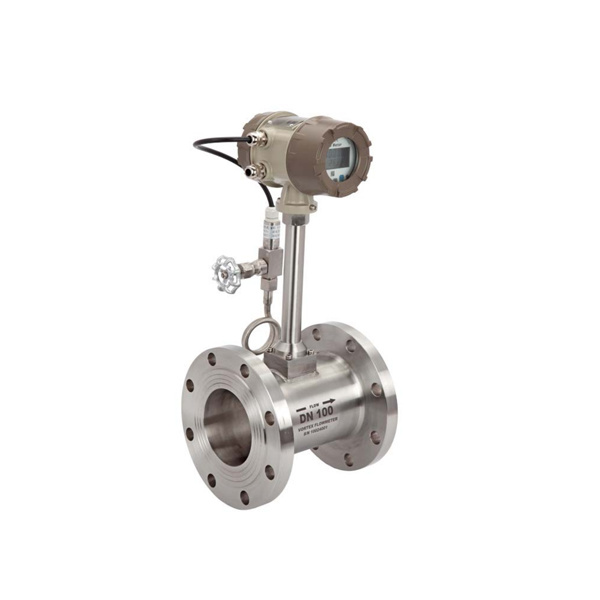
Understanding Vorex Flow Meters: A Comprehensive Guide to Flow Measurement
2026-09-03
Flow measurement is an essential aspect of various industries, from water treatment to chemical manufacturing and beyond. One device that stands out in this field is the Vorex flow meter. These instruments are designed to accurately gauge the flow rate of liquids and gases, ensuring that processes operate smoothly and efficiently.
A Vorex flow meter typically operates on the principle of measuring

How Acrylic Flow Meters Enhance Efficiency in Fluid Dynamics
2026-08-27
How Acrylic Flow Meters Enhance Efficiency in Fluid Dynamics
Table of Contents
1. Introduction to Acrylic Flow Meters
2. Understanding Fluid Dynamics
3. The Importance of Accurate Flow Measurement
4. Benefits of Acrylic Flow Meters
5. Applications of Acrylic Flow Meters in Various Industries
6. How Acrylic Flow Meters Work
7. Choosing the Right Acrylic Flow Meter
8

Understanding Durable Plastic Tube Type Flowmeters: A Comprehensive Guide
2026-08-20
Durable plastic tube type flowmeters are essential instruments in the measurement of fluid dynamics, prominently used in various industries including chemical processing, water treatment, and food production. These flowmeters are designed to provide accurate flow measurement while ensuring durability and reliability in diverse applications.
One of the primary advantages of durable plastic tube ty

CREATEC will be there where there is water
Focus on the independent research and development of online water quality analysis instruments and water environmental protection analysis instruments
ABOUT US
Hebei Create Instrumentation Technologies Co., Ltd. is a national high-tech technology enterprise which is specialized in the water quality online analysis instruments.The founder Hao shuanju was first awarded the national “Automatic Pure Water Monitor” patent in 1988.And entered into the field of water quality online analysis and research.
CONTACT US
Factory :NO.2 Building ,No.368 North Xinshi Road, Shijiazhuang 050091,Hebei Province,China.
Office Address: Block 23, Keying·Zhichuang Valley, Huai'an West Road, Luquan District, Shijiazhuang City
Tel: 86-311-83831058 / 67368592
E-Mail:meter@createc.cn
QUALITY OF SERVICE

Follow us
Learn more about online water quality analysis instruments