
Enhancing Water Quality Analysis with Digital Multi-parameter Integration Sensors
2024-06-25
**Introduction**
In today's rapidly changing world, the need for accurate and reliable water quality analysis is more critical than ever. With the advancements in technology, healthcare and medical professionals are turning to digital multi-parameter integration sensors to enhance their water quality monitoring practices. These innovative sensors offer a wide range of benefits and capabilities tha
**Introduction**
In today's rapidly changing world, the need for accurate and reliable water quality analysis is more critical than ever. With the advancements in technology, healthcare and medical professionals are turning to digital multi-parameter integration sensors to enhance their water quality monitoring practices. These innovative sensors offer a wide range of benefits and capabilities that are revolutionizing the way water quality is analyzed and measured.
**The Importance of Water Quality Analysis**
Water quality analysis plays a crucial role in healthcare and medical settings. It is essential for ensuring the safety and well-being of patients, staff, and the environment. By monitoring and analyzing water quality, healthcare facilities can prevent the spread of waterborne diseases, ensure compliance with regulatory standards, and maintain a healthy and safe environment for all.
**Benefits of Digital Multi-parameter Integration Sensors**
Digital multi-parameter integration sensors offer a host of benefits that make them ideal for water quality analysis in healthcare and medical settings. These sensors can measure multiple parameters simultaneously, providing comprehensive and real-time data on water quality. They are highly accurate and reliable, ensuring precise measurements and analysis. Additionally, digital sensors are easy to use and require minimal maintenance, making them a cost-effective solution for healthcare facilities.
**Advancements in Water Quality Monitoring**
Digital multi-parameter integration sensors have revolutionized water quality monitoring in healthcare and medical settings. These sensors can detect a wide range of contaminants and pollutants, including heavy metals, bacteria, and chemicals. They can also monitor key parameters such as pH, temperature, and turbidity, allowing healthcare professionals to quickly identify and address water quality issues. With real-time data and advanced analytics capabilities, digital sensors enable healthcare facilities to proactively manage water quality and ensure the safety of patients and staff.
**Implementing Digital Multi-parameter Integration Sensors**
To enhance water quality analysis in healthcare and medical settings, it is essential to implement digital multi-parameter integration sensors effectively. Healthcare facilities should invest in high-quality sensors that meet industry standards and regulatory requirements. Training staff on the use of digital sensors is also crucial to ensure accurate and reliable data collection. By incorporating digital sensors into their water quality monitoring practices, healthcare facilities can improve patient safety, reduce the risk of waterborne diseases, and maintain a clean and healthy environment.
**Future Trends in Water Quality Analysis**
As technology continues to advance, the future of water quality analysis in healthcare and medical settings looks promising. Digital multi-parameter integration sensors are expected to become more sophisticated and user-friendly, allowing for even more precise and comprehensive water quality monitoring. Integration with cloud-based platforms and IoT technologies will enable healthcare facilities to access real-time data and analytics, making it easier to identify trends and patterns in water quality. Overall, digital sensors are poised to play a vital role in enhancing water quality analysis and ensuring the safety and well-being of patients and staff.
**Conclusion**
In conclusion, digital multi-parameter integration sensors are revolutionizing water quality analysis in healthcare and medical settings. These innovative sensors offer a wide range of benefits and capabilities that are transforming the way water quality is monitored and analyzed. By implementing digital sensors effectively, healthcare facilities can improve patient safety, comply with regulatory standards, and maintain a clean and healthy environment. As technology continues to advance, the future of water quality analysis looks bright, with digital sensors playing a crucial role in ensuring the safety and well-being of all.
In today's rapidly changing world, the need for accurate and reliable water quality analysis is more critical than ever. With the advancements in technology, healthcare and medical professionals are turning to digital multi-parameter integration sensors to enhance their water quality monitoring practices. These innovative sensors offer a wide range of benefits and capabilities that are revolutionizing the way water quality is analyzed and measured.
**The Importance of Water Quality Analysis**
Water quality analysis plays a crucial role in healthcare and medical settings. It is essential for ensuring the safety and well-being of patients, staff, and the environment. By monitoring and analyzing water quality, healthcare facilities can prevent the spread of waterborne diseases, ensure compliance with regulatory standards, and maintain a healthy and safe environment for all.
**Benefits of Digital Multi-parameter Integration Sensors**
Digital multi-parameter integration sensors offer a host of benefits that make them ideal for water quality analysis in healthcare and medical settings. These sensors can measure multiple parameters simultaneously, providing comprehensive and real-time data on water quality. They are highly accurate and reliable, ensuring precise measurements and analysis. Additionally, digital sensors are easy to use and require minimal maintenance, making them a cost-effective solution for healthcare facilities.
**Advancements in Water Quality Monitoring**
Digital multi-parameter integration sensors have revolutionized water quality monitoring in healthcare and medical settings. These sensors can detect a wide range of contaminants and pollutants, including heavy metals, bacteria, and chemicals. They can also monitor key parameters such as pH, temperature, and turbidity, allowing healthcare professionals to quickly identify and address water quality issues. With real-time data and advanced analytics capabilities, digital sensors enable healthcare facilities to proactively manage water quality and ensure the safety of patients and staff.
**Implementing Digital Multi-parameter Integration Sensors**
To enhance water quality analysis in healthcare and medical settings, it is essential to implement digital multi-parameter integration sensors effectively. Healthcare facilities should invest in high-quality sensors that meet industry standards and regulatory requirements. Training staff on the use of digital sensors is also crucial to ensure accurate and reliable data collection. By incorporating digital sensors into their water quality monitoring practices, healthcare facilities can improve patient safety, reduce the risk of waterborne diseases, and maintain a clean and healthy environment.
**Future Trends in Water Quality Analysis**
As technology continues to advance, the future of water quality analysis in healthcare and medical settings looks promising. Digital multi-parameter integration sensors are expected to become more sophisticated and user-friendly, allowing for even more precise and comprehensive water quality monitoring. Integration with cloud-based platforms and IoT technologies will enable healthcare facilities to access real-time data and analytics, making it easier to identify trends and patterns in water quality. Overall, digital sensors are poised to play a vital role in enhancing water quality analysis and ensuring the safety and well-being of patients and staff.
**Conclusion**
In conclusion, digital multi-parameter integration sensors are revolutionizing water quality analysis in healthcare and medical settings. These innovative sensors offer a wide range of benefits and capabilities that are transforming the way water quality is monitored and analyzed. By implementing digital sensors effectively, healthcare facilities can improve patient safety, comply with regulatory standards, and maintain a clean and healthy environment. As technology continues to advance, the future of water quality analysis looks bright, with digital sensors playing a crucial role in ensuring the safety and well-being of all.
Digital Multi-parameter integration sensor
RELATED NEWS
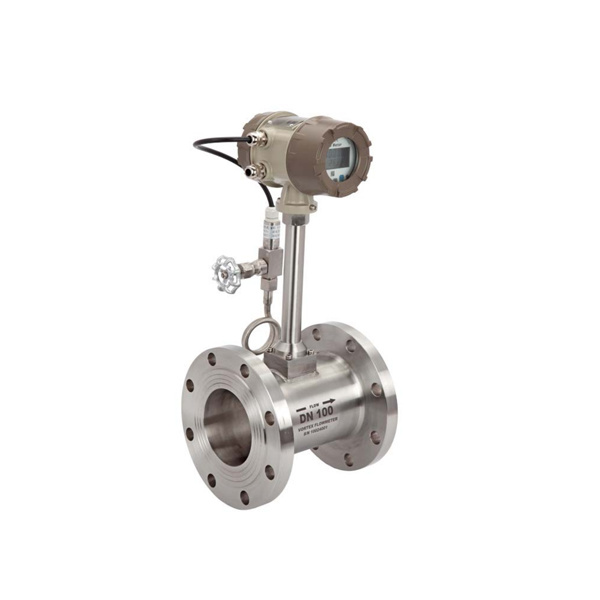
Understanding Vorex Flow Meters: A Comprehensive Guide to Flow Measurement
2026-09-03
Flow measurement is an essential aspect of various industries, from water treatment to chemical manufacturing and beyond. One device that stands out in this field is the Vorex flow meter. These instruments are designed to accurately gauge the flow rate of liquids and gases, ensuring that processes operate smoothly and efficiently.
A Vorex flow meter typically operates on the principle of measuring

How Acrylic Flow Meters Enhance Efficiency in Fluid Dynamics
2026-08-27
How Acrylic Flow Meters Enhance Efficiency in Fluid Dynamics
Table of Contents
1. Introduction to Acrylic Flow Meters
2. Understanding Fluid Dynamics
3. The Importance of Accurate Flow Measurement
4. Benefits of Acrylic Flow Meters
5. Applications of Acrylic Flow Meters in Various Industries
6. How Acrylic Flow Meters Work
7. Choosing the Right Acrylic Flow Meter
8

Understanding Durable Plastic Tube Type Flowmeters: A Comprehensive Guide
2026-08-20
Durable plastic tube type flowmeters are essential instruments in the measurement of fluid dynamics, prominently used in various industries including chemical processing, water treatment, and food production. These flowmeters are designed to provide accurate flow measurement while ensuring durability and reliability in diverse applications.
One of the primary advantages of durable plastic tube ty

CREATEC will be there where there is water
Focus on the independent research and development of online water quality analysis instruments and water environmental protection analysis instruments
ABOUT US
Hebei Create Instrumentation Technologies Co., Ltd. is a national high-tech technology enterprise which is specialized in the water quality online analysis instruments.The founder Hao shuanju was first awarded the national “Automatic Pure Water Monitor” patent in 1988.And entered into the field of water quality online analysis and research.
CONTACT US
Factory :NO.2 Building ,No.368 North Xinshi Road, Shijiazhuang 050091,Hebei Province,China.
Office Address: Block 23, Keying·Zhichuang Valley, Huai'an West Road, Luquan District, Shijiazhuang City
Tel: 86-311-83831058 / 67368592
E-Mail:meter@createc.cn
QUALITY OF SERVICE

Follow us
Learn more about online water quality analysis instruments