
Enhancing Water Quality with Cutting-Edge Reverse Osmosis Control System
2024-06-09
**Introduction**
In today's world, clean and safe water is essential for our health and well-being. With increasing concerns about water quality and contamination, it is more important than ever to invest in advanced technologies that can guarantee clean and purified water. One such technology that is revolutionizing the way we treat water is the cutting-edge reverse osmosis control system. In thi
**Introduction**
In today's world, clean and safe water is essential for our health and well-being. With increasing concerns about water quality and contamination, it is more important than ever to invest in advanced technologies that can guarantee clean and purified water. One such technology that is revolutionizing the way we treat water is the cutting-edge reverse osmosis control system. In this article, we will explore how this innovative system can enhance water quality and provide a reliable source of clean water for residential and commercial use.
**What is Reverse Osmosis?**
Reverse osmosis is a water purification process that uses a semipermeable membrane to remove impurities and contaminants from water. By applying pressure to the water, the system forces it through the membrane, trapping pollutants and producing clean, purified water on the other side. This process is highly effective at removing a wide range of impurities, including bacteria, viruses, chemicals, and heavy metals, ensuring that the water is safe for consumption.
**How Does a Reverse Osmosis Control System Work?**
A reverse osmosis control system is a sophisticated water treatment system that utilizes advanced technology to monitor and regulate the purification process. The system is equipped with sensors and controllers that constantly monitor the water quality and adjust the pressure and flow rates to optimize purification. By controlling the various parameters of the reverse osmosis process, the system ensures that the water is thoroughly purified and meets the highest standards of quality and safety.
**Benefits of Using a Reverse Osmosis Control System**
- Produces clean, purified water that is safe for drinking and cooking
- Removes a wide range of impurities, including chemicals, bacteria, and viruses
- Improves the taste and odor of water by removing contaminants
- Reduces the need for bottled water and plastic waste
- Provides a reliable source of clean water for homes and businesses
**FAQs**
*Q: How often should I replace the filters in a reverse osmosis system?*
A: It is recommended to replace the filters in a reverse osmosis system every 6-12 months, depending on the usage and water quality.
*Q: Can a reverse osmosis system remove fluoride from water?*
A: Yes, reverse osmosis systems are effective at removing fluoride from water, along with other contaminants.
*Q: Is a reverse osmosis system cost-effective compared to other water treatment options?*
A: While the initial investment in a reverse osmosis system may be higher, the long-term cost savings from reduced bottled water purchases and improved water quality make it a cost-effective solution.
*Q: Can a reverse osmosis system be installed in both residential and commercial settings?*
A: Yes, reverse osmosis systems are versatile and can be installed in both residential and commercial settings to provide clean and purified water.
*Q: How does a reverse osmosis control system compare to traditional water filtration systems?*
A: Reverse osmosis control systems offer superior water purification capabilities compared to traditional filtration systems, ensuring that water is thoroughly purified and free of contaminants.
**Conclusion**
In conclusion, enhancing water quality with a cutting-edge reverse osmosis control system is a smart investment for anyone who values clean and safe water. By utilizing advanced technology and innovative solutions, these systems provide a reliable source of purified water that is free of impurities and contaminants. Whether for residential or commercial use, a reverse osmosis control system ensures that your water is of the highest quality and meets the highest standards of safety. Make the switch to a reverse osmosis system today and enjoy the benefits of clean, purified water for years to come.
In today's world, clean and safe water is essential for our health and well-being. With increasing concerns about water quality and contamination, it is more important than ever to invest in advanced technologies that can guarantee clean and purified water. One such technology that is revolutionizing the way we treat water is the cutting-edge reverse osmosis control system. In this article, we will explore how this innovative system can enhance water quality and provide a reliable source of clean water for residential and commercial use.
**What is Reverse Osmosis?**
Reverse osmosis is a water purification process that uses a semipermeable membrane to remove impurities and contaminants from water. By applying pressure to the water, the system forces it through the membrane, trapping pollutants and producing clean, purified water on the other side. This process is highly effective at removing a wide range of impurities, including bacteria, viruses, chemicals, and heavy metals, ensuring that the water is safe for consumption.
**How Does a Reverse Osmosis Control System Work?**
A reverse osmosis control system is a sophisticated water treatment system that utilizes advanced technology to monitor and regulate the purification process. The system is equipped with sensors and controllers that constantly monitor the water quality and adjust the pressure and flow rates to optimize purification. By controlling the various parameters of the reverse osmosis process, the system ensures that the water is thoroughly purified and meets the highest standards of quality and safety.
**Benefits of Using a Reverse Osmosis Control System**
- Produces clean, purified water that is safe for drinking and cooking
- Removes a wide range of impurities, including chemicals, bacteria, and viruses
- Improves the taste and odor of water by removing contaminants
- Reduces the need for bottled water and plastic waste
- Provides a reliable source of clean water for homes and businesses
**FAQs**
*Q: How often should I replace the filters in a reverse osmosis system?*
A: It is recommended to replace the filters in a reverse osmosis system every 6-12 months, depending on the usage and water quality.
*Q: Can a reverse osmosis system remove fluoride from water?*
A: Yes, reverse osmosis systems are effective at removing fluoride from water, along with other contaminants.
*Q: Is a reverse osmosis system cost-effective compared to other water treatment options?*
A: While the initial investment in a reverse osmosis system may be higher, the long-term cost savings from reduced bottled water purchases and improved water quality make it a cost-effective solution.
*Q: Can a reverse osmosis system be installed in both residential and commercial settings?*
A: Yes, reverse osmosis systems are versatile and can be installed in both residential and commercial settings to provide clean and purified water.
*Q: How does a reverse osmosis control system compare to traditional water filtration systems?*
A: Reverse osmosis control systems offer superior water purification capabilities compared to traditional filtration systems, ensuring that water is thoroughly purified and free of contaminants.
**Conclusion**
In conclusion, enhancing water quality with a cutting-edge reverse osmosis control system is a smart investment for anyone who values clean and safe water. By utilizing advanced technology and innovative solutions, these systems provide a reliable source of purified water that is free of impurities and contaminants. Whether for residential or commercial use, a reverse osmosis control system ensures that your water is of the highest quality and meets the highest standards of safety. Make the switch to a reverse osmosis system today and enjoy the benefits of clean, purified water for years to come.
Reverse Osmosis Control Integrated System
RELATED NEWS
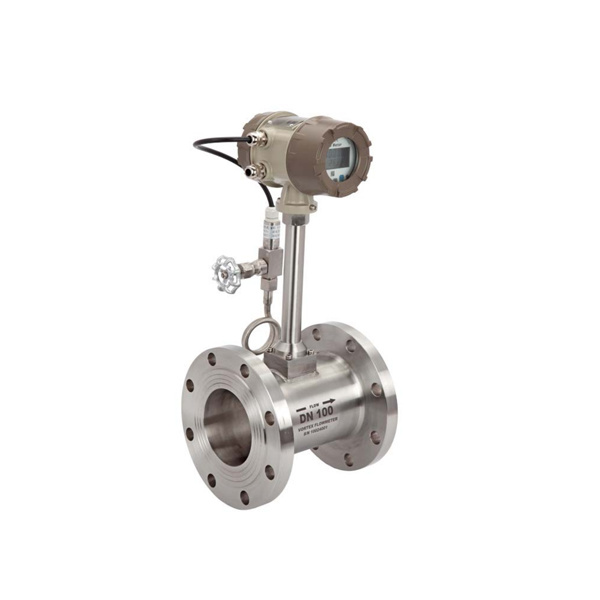
Understanding Vorex Flow Meters: A Comprehensive Guide to Flow Measurement
2026-09-03
Flow measurement is an essential aspect of various industries, from water treatment to chemical manufacturing and beyond. One device that stands out in this field is the Vorex flow meter. These instruments are designed to accurately gauge the flow rate of liquids and gases, ensuring that processes operate smoothly and efficiently.
A Vorex flow meter typically operates on the principle of measuring

How Acrylic Flow Meters Enhance Efficiency in Fluid Dynamics
2026-08-27
How Acrylic Flow Meters Enhance Efficiency in Fluid Dynamics
Table of Contents
1. Introduction to Acrylic Flow Meters
2. Understanding Fluid Dynamics
3. The Importance of Accurate Flow Measurement
4. Benefits of Acrylic Flow Meters
5. Applications of Acrylic Flow Meters in Various Industries
6. How Acrylic Flow Meters Work
7. Choosing the Right Acrylic Flow Meter
8

Understanding Durable Plastic Tube Type Flowmeters: A Comprehensive Guide
2026-08-20
Durable plastic tube type flowmeters are essential instruments in the measurement of fluid dynamics, prominently used in various industries including chemical processing, water treatment, and food production. These flowmeters are designed to provide accurate flow measurement while ensuring durability and reliability in diverse applications.
One of the primary advantages of durable plastic tube ty

CREATEC will be there where there is water
Focus on the independent research and development of online water quality analysis instruments and water environmental protection analysis instruments
ABOUT US
Hebei Create Instrumentation Technologies Co., Ltd. is a national high-tech technology enterprise which is specialized in the water quality online analysis instruments.The founder Hao shuanju was first awarded the national “Automatic Pure Water Monitor” patent in 1988.And entered into the field of water quality online analysis and research.
CONTACT US
Factory :NO.2 Building ,No.368 North Xinshi Road, Shijiazhuang 050091,Hebei Province,China.
Office Address: Block 23, Keying·Zhichuang Valley, Huai'an West Road, Luquan District, Shijiazhuang City
Tel: 86-311-83831058 / 67368592
E-Mail:meter@createc.cn
QUALITY OF SERVICE

Follow us
Learn more about online water quality analysis instruments